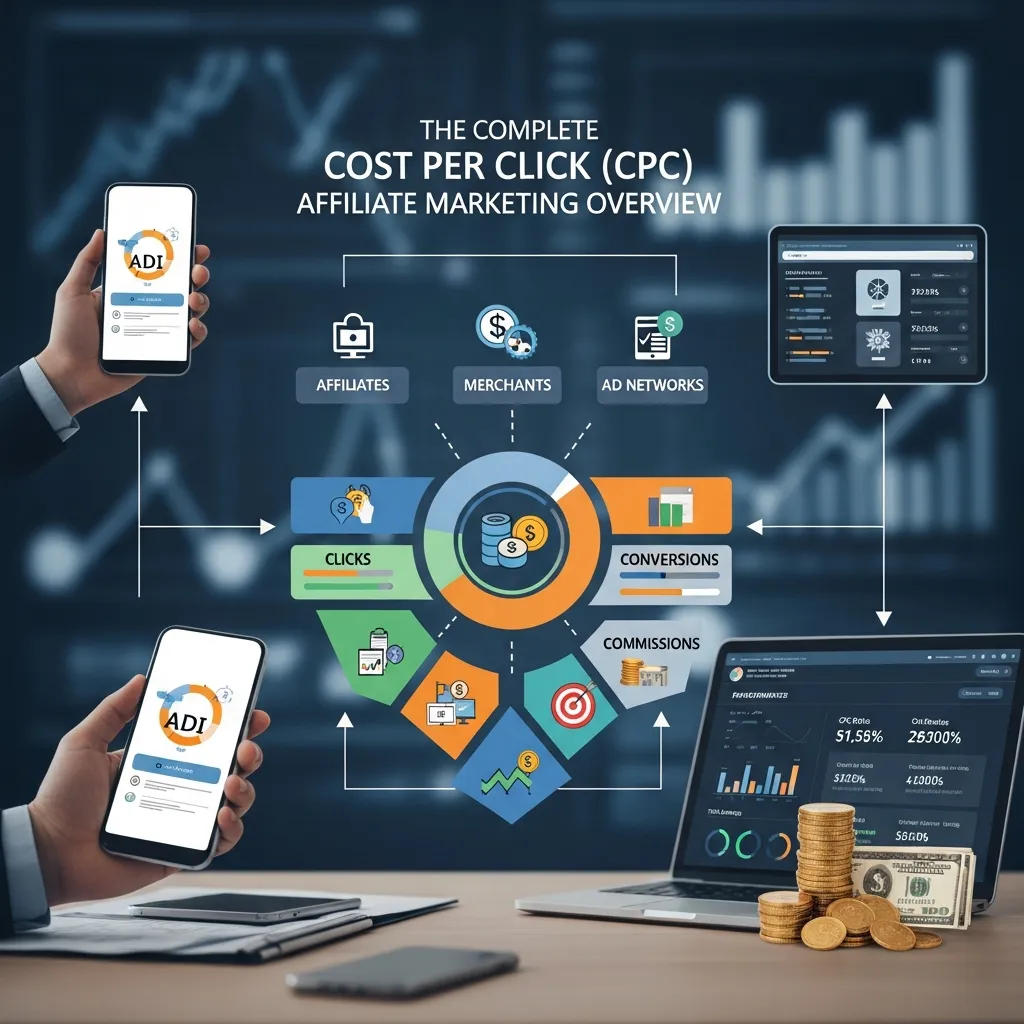
This article provides an in-depth cost per click (CPC) affiliate marketing overview, covering its core mechanics, benefits, common challenges, and best practices for both affiliates and advertisers. This guide explores exactly how CPC models drive traffic and generate steady revenue, differentiating it from other popular frameworks like Cost Per Action (CPA) Affiliate Marketing and the Cost Per Sale (CPS) Affiliate Marketing Guide.
If you want to monetize a website, you have likely come across various advertising models. Navigating these options can feel overwhelming. Many beginners start by looking for a reliable cost per click (CPC) affiliate marketing overview to understand how they can earn money simply by driving traffic. In this model, you get paid every time a visitor clicks on an affiliate link or banner, regardless of whether they make a purchase.
This cost per click (CPC) affiliate marketing overview will explain the ins and outs of this popular monetization strategy. You will learn how the mechanics work, the benefits for both publishers and advertisers, and the strategies needed to succeed. We will also compare CPC to other strategies to help you decide which approach aligns with your digital marketing goals.
Introduction to Cost Per Click (CPC) Affiliate Marketing
What is CPC Affiliate Marketing?
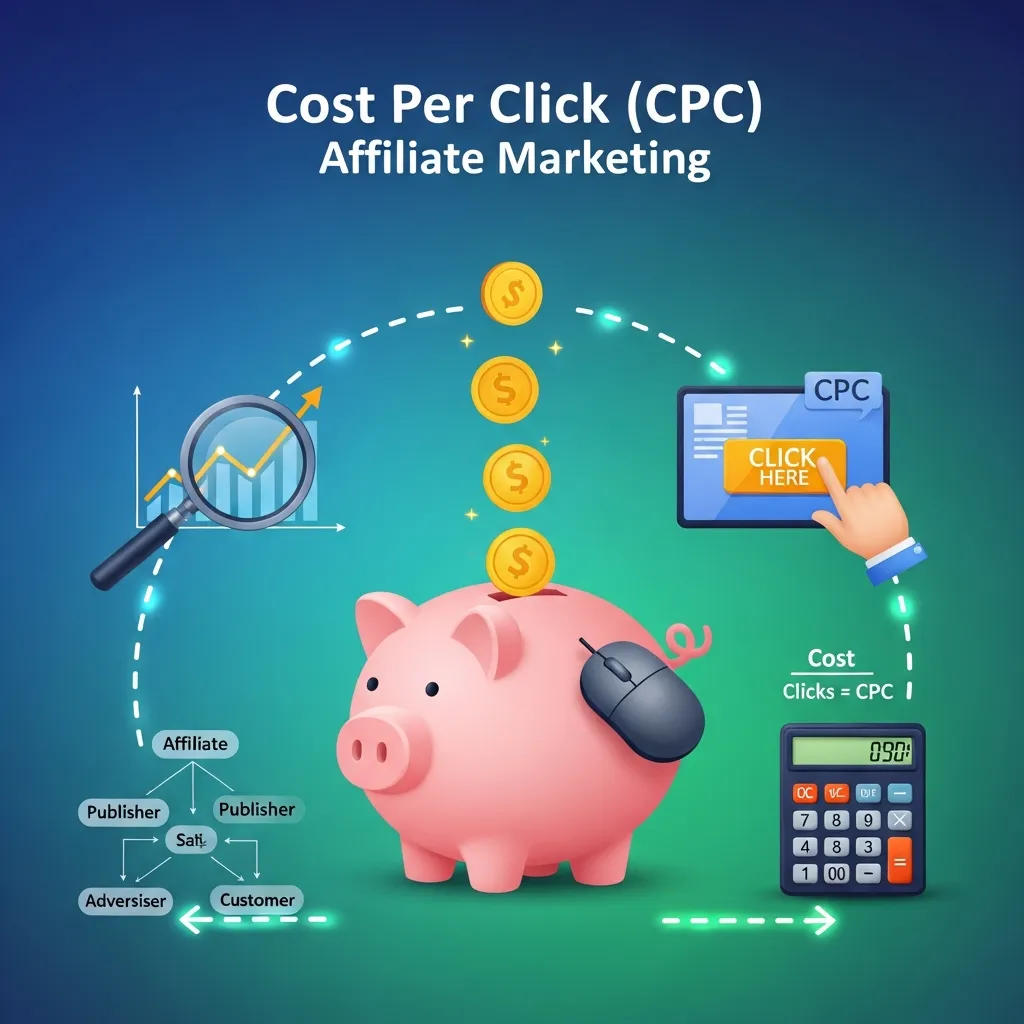
CPC affiliate marketing is a performance-based advertising model where affiliates (publishers) earn a fixed commission every time a user clicks on an advertiser’s link or banner hosted on their website. The focus is entirely on driving traffic. Advertisers use this model to increase brand visibility and direct potential customers to their landing pages.
How CPC Differs from Other Affiliate Models
Understanding how this model fits into the broader industry requires looking at alternative methods. When you compare CPC to Cost Per Action (CPA) Affiliate Marketing, the difference lies in the user’s behavior. CPA requires the user to complete a specific action, such as filling out a form or signing up for a newsletter, before the affiliate gets paid. Similarly, a Cost Per Sale (CPS) Affiliate Marketing Guide will show that CPS models only pay out when a click results in a direct, completed purchase. CPC is unique because it rewards the click itself.
The Rise of CPC in the Affiliate Landscape
The demand for traffic continues to grow. Advertisers need eyes on their products, and they are willing to pay publishers who can deliver high volumes of visitors. A solid cost per click (CPC) affiliate marketing overview highlights that this model gained immense popularity through networks like Google AdSense, providing a predictable entry point for new bloggers and content creators.
Understanding the Mechanics of CPC Affiliate Marketing
How Clicks are Tracked
Affiliate networks provide publishers with unique tracking links or scripts. When a visitor clicks the advertisement, a tracking cookie is placed on their browser, and the click is recorded in the network’s database. This ensures the affiliate is accurately credited for directing the user to the advertiser.
Publisher and Advertiser Roles
The ecosystem relies on a partnership between two main parties. The publisher creates content, builds an audience, and strategically places ads to encourage clicks. The advertiser provides the creatives, sets the payout rate per click, and manages the destination landing page to convert the incoming traffic into leads or sales.
Payment Structures and Models
Payouts vary wildly depending on the industry and the geographical location of the traffic. High-value niches like finance or insurance often feature higher CPC rates. Payments are usually aggregated by an affiliate network and paid out on a net-30 or net-60 basis once a minimum threshold is reached.
Tools and Platforms for CPC
Affiliates rely on various platforms to manage their campaigns. Networks act as middlemen, connecting publishers with advertisers. Publishers also use analytics tools, heatmaps, and A/B testing software to optimize their ad placements and maximize their click-through rates (CTR).
Benefits of CPC Affiliate Marketing for Affiliates
Predictable Revenue Streams
One of the most appealing aspects detailed in any cost per click (CPC) affiliate marketing overview is revenue predictability. Because you do not have to rely on a user pulling out their credit card, consistent website traffic translates into consistent daily earnings.
Lower Barrier to Entry
You do not need to be an expert salesperson to succeed with CPC. Your primary job is to create engaging content that attracts visitors. This makes it an ideal starting point for new bloggers who want to monetize their traffic without hard-selling products.
Focus on Traffic Generation
Affiliates can focus entirely on what they do best: driving traffic. You do not need to worry about the advertiser’s sales funnel, customer service, or product quality. Your responsibility ends the moment the user clicks the link.
Scalability and Growth Potential
As your traffic grows, your revenue scales linearly. By producing more content, targeting higher-paying keywords, and optimizing your site for search engines, you can steadily increase your daily click volume and overall income.
Benefits of CPC Affiliate Marketing for Advertisers
Brand Exposure and Awareness
For advertisers, CPC campaigns generate massive brand visibility. Even if a user clicks and does not immediately buy, the advertiser successfully introduces their brand to a new potential customer, building awareness over time.
Cost-Effective Traffic Acquisition
Advertisers set their maximum bids, meaning they control exactly how much they spend per visitor. This allows for strict budget management and predictable traffic acquisition costs.
Targeted Audience Reach
By partnering with niche-specific publishers, advertisers can ensure their ads are shown to highly relevant audiences. A company selling hiking gear can place CPC ads on a popular outdoor blog, ensuring the clicks come from interested consumers.
Performance-Based Spending
Advertisers only pay when a user actually clicks. Unlike flat-rate banner placements where you pay for impressions regardless of engagement, CPC ensures you only spend your marketing budget on active user interest.
Challenges and Risks in CPC Affiliate Marketing

Click Fraud and Bot Traffic
Click fraud remains a significant challenge. Malicious actors use automated bots to generate fake clicks, draining advertiser budgets without providing real traffic. Networks constantly update their algorithms to identify and ban fraudulent accounts.
Low Conversion Rates for Untargeted Clicks
If an affiliate places ads on irrelevant content, the resulting clicks will not convert for the advertiser. This leads to the advertiser lowering their CPC bids or removing the affiliate from their program entirely.
Ad Blocker Impact
A growing number of internet users utilize ad blockers. These browser extensions hide traditional banner ads, directly reducing the number of impressions and potential clicks an affiliate can generate.
Maintaining Ad Quality and Relevance
Publishers must constantly rotate ads to prevent “banner blindness,” a phenomenon where regular visitors subconsciously ignore advertisements. Keeping creatives fresh and highly relevant is essential for maintaining a high CTR.
Strategies for Successful CPC Affiliate Marketing (Affiliates)
Niche Selection and Audience Targeting
Success starts with choosing the right niche. High-paying industries offer better CPC rates, but they also come with fierce competition. Finding a specialized sub-niche allows you to attract a highly targeted audience that is more likely to click on relevant ads.
High-Quality Content Creation
Content is the foundation of your traffic. Producing comprehensive, helpful, and engaging articles keeps visitors on your site longer, increasing the likelihood that they will interact with your advertisements.
SEO and Traffic Generation Techniques
Search engine optimization (SEO) is critical. By ranking for specific search terms, you secure a steady stream of organic, high-intent traffic. Social media marketing and email newsletters can also drive targeted visitors back to your CPC-monetized content.
Optimizing Ad Placements and Designs
Where you place your ads matters immensely. Ads placed “above the fold” or seamlessly integrated into the content generally perform better than those hidden in sidebars or footers. A comprehensive cost per click (CPC) affiliate marketing overview always recommends rigorous A/B testing for placements.
Monitoring and Analytics
Track everything. Use analytics to see which pages generate the most clicks and which ad formats perform the best. Data-driven decisions will help you refine your strategy and boost your earnings.
Strategies for Successful CPC Affiliate Marketing (Advertisers)
Partner Selection and Vetting
Advertisers must carefully select their affiliate partners. Approving publishers with high-quality, relevant websites ensures that the incoming traffic is genuine and likely to convert.
Setting Competitive CPC Rates
To attract the best affiliates, advertisers need to offer competitive payouts. If your CPC rate is too low, top-tier publishers will allocate their ad space to your competitors instead.
Clear Campaign Objectives
Before launching a campaign, define your goals. Are you looking to build email lists, generate direct sales, or simply increase brand awareness? Clear objectives dictate how you design your landing pages.
Fraud Detection and Prevention
Implement robust tracking software to monitor incoming clicks. Analyzing bounce rates and user behavior on your landing page helps identify and block low-quality or fraudulent traffic sources.
Landing Page Optimization
The affiliate provides the click, but your landing page must provide the conversion. Ensure your pages load quickly, feature clear calls to action, and directly match the messaging of the CPC advertisement.
CPC Affiliate Marketing vs. Other Models: A Comparative Analysis
CPC vs. Cost Per Action (CPA) Affiliate Marketing
When comparing CPC to Cost Per Action (CPA) Affiliate Marketing, the distinction is risk and reward. CPC offers lower payouts but higher conversion rates for the affiliate, since a click is easy to achieve. CPA offers significantly higher payouts, but getting a user to fill out a complex form is much more difficult.
CPC vs. Cost Per Sale (CPS) Affiliate Marketing Guide
Looking at a Cost Per Sale (CPS) Affiliate Marketing Guide reveals a model built for deep funnel conversions. CPS is highly lucrative if you have an audience ready to buy, but it is challenging for broad-traffic websites. CPC is much better suited for high-volume, general-information sites where users are browsing rather than shopping.
When to Choose Each Model
Choose CPC when you have high traffic volume but low buying intent. Choose CPA when you have targeted traffic that is willing to sign up for free offers or trials. Choose CPS when you operate a highly focused review site or product recommendation blog where users are actively looking to make purchases.
Future Trends in CPC Affiliate Marketing

AI and Machine Learning in Click Optimization
Artificial intelligence is changing how networks serve ads. Machine learning algorithms now analyze user behavior in real-time, displaying the specific CPC ads that a particular user is most likely to click based on their browsing history.
Enhanced Fraud Detection
As bots become more sophisticated, so do the countermeasures. Networks are utilizing advanced behavioral biometrics and predictive modeling to eliminate click fraud, protecting advertisers and ensuring fair payouts for legitimate publishers.
Privacy Regulations and Their Impact
Strict data privacy laws are changing how cookies are used. The industry is shifting toward contextual advertising—serving ads based on the content of the page rather than the personal data of the user.
New Ad Formats and Channels
Text links and static banners are being replaced by native ads, interactive video units, and in-app CPC placements. Adapcing to these new formats is vital for maintaining a strong cost per click (CPC) affiliate marketing overview strategy.
Maximize Your Traffic Potential
Generating traffic requires hard work, and you deserve to be compensated for it. By leveraging the mechanics outlined in this cost per click (CPC) affiliate marketing overview, you can transform your website’s audience into a reliable stream of revenue. While models like Cost Per Action (CPA) Affiliate Marketing and the Cost Per Sale (CPS) Affiliate Marketing Guide offer alternative paths, CPC remains a foundational pillar of digital monetization. Focus on creating exceptional content, testing your ad placements, and monitoring your analytics to maximize your click-through rates.
Frequently Asked Questions (FAQs)
1. What is a good CPC rate?
A good CPC rate depends entirely on your niche and geographic location. Entertainment traffic might yield pennies per click, while financial or legal traffic can generate several dollars per click.
2. How can I prevent click fraud in Cost Per Click (CPC) affiliate marketing?
Publishers should avoid buying cheap, low-quality traffic from unverified sources. Advertisers should use dedicated click-fraud prevention software to monitor IP addresses and block suspicious behavior.
3. Is CPC affiliate marketing suitable for beginners?
Yes. CPC is highly recommended for beginners because it focuses solely on driving traffic and generating clicks, removing the pressure of needing to close a complex sale.
4. What’s the difference between CPC and PPC?
They are essentially two sides of the same coin. Pay Per Click (PPC) is the term used by the advertiser paying for the traffic, while Cost Per Click (CPC) is the metric used to describe how much each click costs or earns.
5. How do I find reliable CPC affiliate programs?
Research reputable affiliate networks like Google AdSense, Media.net, or specialized networks in your niche. Always read reviews and verify their payment history before joining.
6. Can I combine CPC with other affiliate models?
Absolutely. Many successful publishers use CPC ads for general monetization while strategically placing CPS or CPA links within product reviews to maximize their total revenue.
7. What metrics should I track for Cost Per Click (CPC) campaigns?
You should closely monitor your Click-Through Rate (CTR), your overall traffic volume, your Earnings Per Mille (RPM or earnings per 1000 visitors), and your bounce rate.
8. How does ad placement affect CPC performance?
Ad placement is crucial. Ads placed near the top of the page, within the primary content stream, or near navigation menus generally receive higher visibility and more clicks.
9. What is the role of landing pages in Cost Per Click (CPC) affiliate marketing?
For advertisers, the landing page is where the return on investment happens. An optimized landing page converts the purchased CPC traffic into actual leads, subscribers, or buyers.
10. What are the legal considerations for Cost Per Click (CPC) affiliate marketing?
You must clearly disclose your affiliate relationships to your audience to comply with FTC guidelines (or your local equivalent). You must also comply with data privacy laws regarding tracking cookies.
11. Why might an advertiser lower my Cost Per Click (CPC) rate?
If your traffic generates a lot of clicks but fails to convert on the advertiser’s landing page, the advertiser will lower your specific payout rate because your traffic is considered low-quality for their specific offer.
12. How long does it take to see results with Cost Per Click (CPC)?
Results depend on your existing traffic. If you already have thousands of daily visitors, you can see revenue on day one. If you are starting a new site, it may take several months to build enough SEO traffic to generate meaningful clicks.