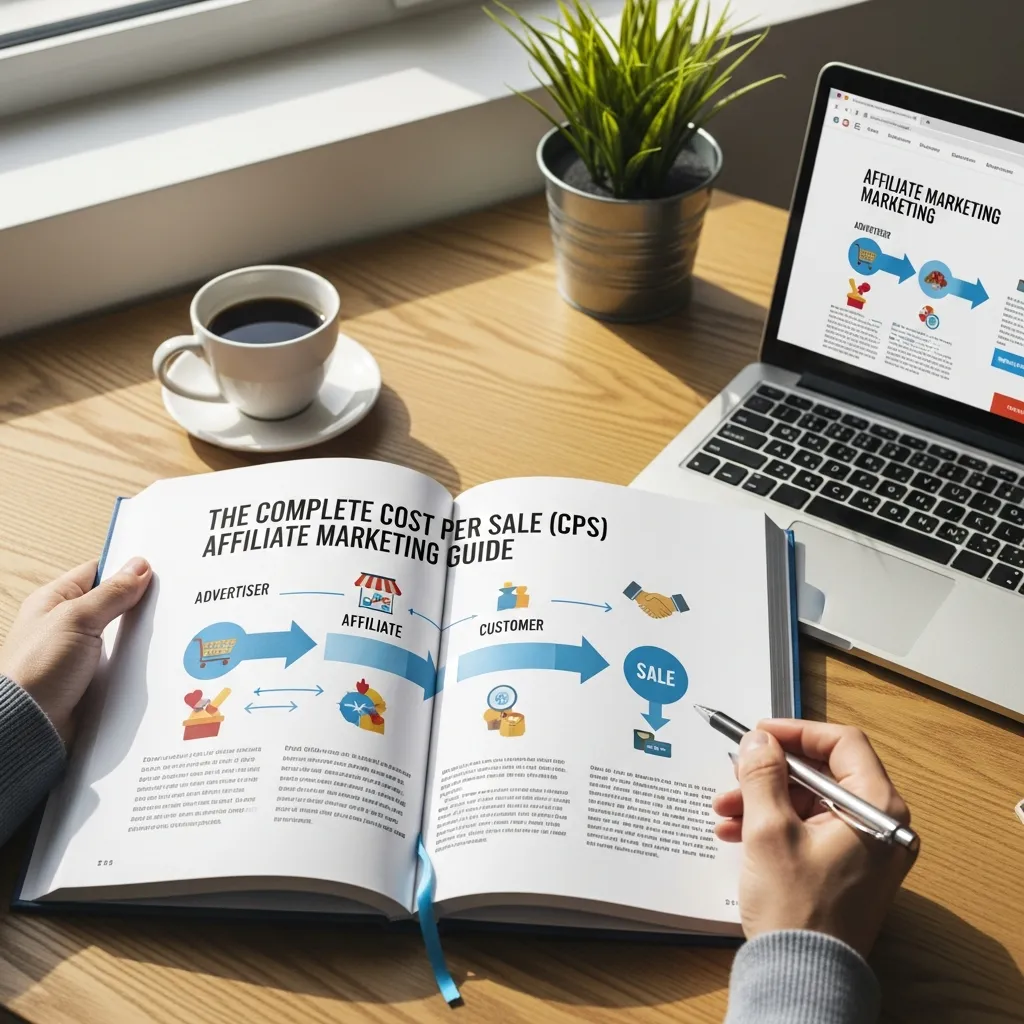
Cost per sale (CPS) affiliate marketing is a performance-based system where publishers earn a commission only when their referral results in a direct purchase. This guide covers how cost per sale (CPS) affiliate marketing works, its primary benefits for both merchants and affiliates, and how it directly compares to other popular models like Cost Per Action (CPA) Affiliate Marketing.
Are you looking for a reliable way to generate passive income online? You might have heard about various performance-based marketing models. Among them, cost per sale (CPS) affiliate marketing stands out as one of the most lucrative and straightforward avenues for digital marketers.
Understanding the mechanics of cost per sale (CPS) affiliate marketing can transform a simple blog or social media channel into a highly profitable business. In this system, your primary goal is to drive actual sales. You do not get paid for clicks or simple lead generation. You get paid when money changes hands. This high-intent structure means merchants are willing to pay significantly higher commissions compared to other models.
This comprehensive guide will explain everything you need to know to succeed in cost per sale (CPS) affiliate marketing. You will learn how to choose the right niche, craft content that converts, optimize your campaigns, and troubleshoot common challenges. By the time you finish reading, you will have a clear roadmap to launch and scale your own cost per sale (CPS) affiliate marketing business.
Introduction to Cost Per Sale (CPS) Affiliate Marketing
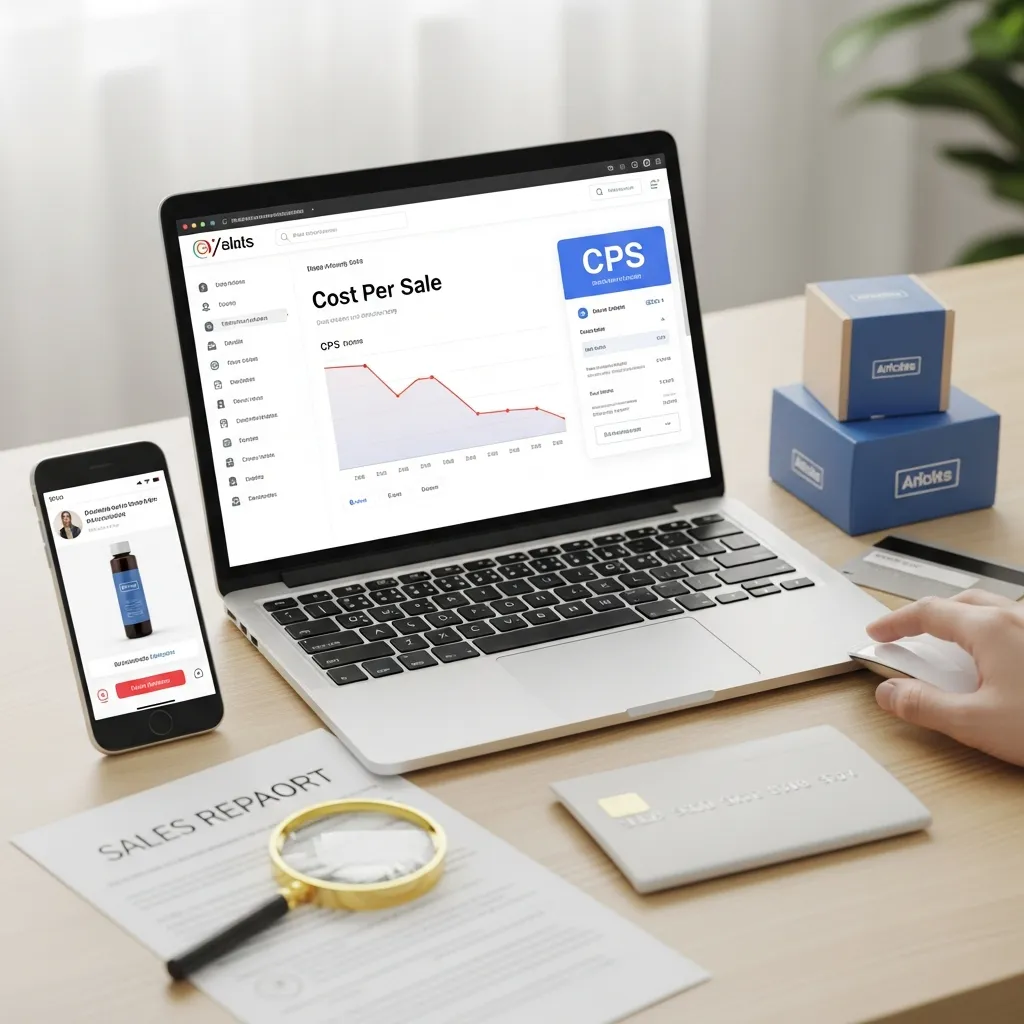
Cost per sale (CPS) affiliate marketing is the backbone of many successful online businesses. To master it, you first need to understand its core definition and how it compares to alternative strategies.
What is CPS?
Cost per sale (CPS) affiliate marketing is an agreement between a merchant and an affiliate. The affiliate promotes the merchant’s products or services using a unique tracking link. When a customer clicks that link and completes a purchase, the affiliate earns a predetermined percentage of the sale amount or a flat fee. Because the merchant only pays when revenue is generated, this model carries very low risk for the product owner.
How CPS differs from other affiliate models
It helps to understand the difference between cost per sale (CPS) affiliate marketing and Cost Per Action (CPA) Affiliate Marketing. In Cost Per Action (CPA) Affiliate Marketing, affiliates earn a commission when a user completes a specific action. This action could be filling out a form, signing up for a free trial, or downloading an app. CPA generally has lower barriers to entry for the consumer, resulting in higher conversion rates but lower payouts per conversion. Conversely, cost per sale (CPS) affiliate marketing requires an actual purchase, leading to lower conversion rates but substantially higher individual commissions.
Benefits of CPS for merchants and affiliates
For merchants, cost per sale (CPS) affiliate marketing guarantees a positive return on investment. They do not waste money on empty clicks or low-quality leads. For affiliates, cost per sale (CPS) affiliate marketing offers unlimited earning potential. If you can effectively target high-intent buyers, a single successful cost per sale (CPS) affiliate marketing transaction can yield hundreds of dollars in commissions.
Getting Started with CPS Affiliate Marketing
Launching a profitable cost per sale (CPS) affiliate marketing campaign requires careful planning. You cannot simply pick random products and expect to see results.
Choosing the Right Niche and Products
Success in cost per sale (CPS) affiliate marketing starts with selecting a profitable niche. Look for industries with high-ticket items or subscription-based products that offer recurring commissions. Software, financial services, health supplements, and high-end consumer electronics are excellent examples. Make sure you genuinely understand the niche so you can speak authoritatively to your audience.
Finding High-Paying CPS Affiliate Programs
You can find lucrative cost per sale (CPS) affiliate marketing opportunities through major networks like ShareASale, CJ Affiliate, or Impact. Additionally, many companies run independent affiliate programs hosted on their own websites. Look for programs that offer long cookie durations. A 30-day or 60-day cookie ensures you still get credit if the user leaves the site and comes back to buy a few weeks later.
Understanding Commission Structures and Payment Terms
Before diving into cost per sale (CPS) affiliate marketing, read the fine print. Some programs offer a flat rate per sale, while others offer a percentage of the total cart value. Pay attention to payment thresholds and schedules. Some networks pay weekly, while others have a net-30 or net-60 payout structure.
Strategies for Success in CPS Affiliate Marketing
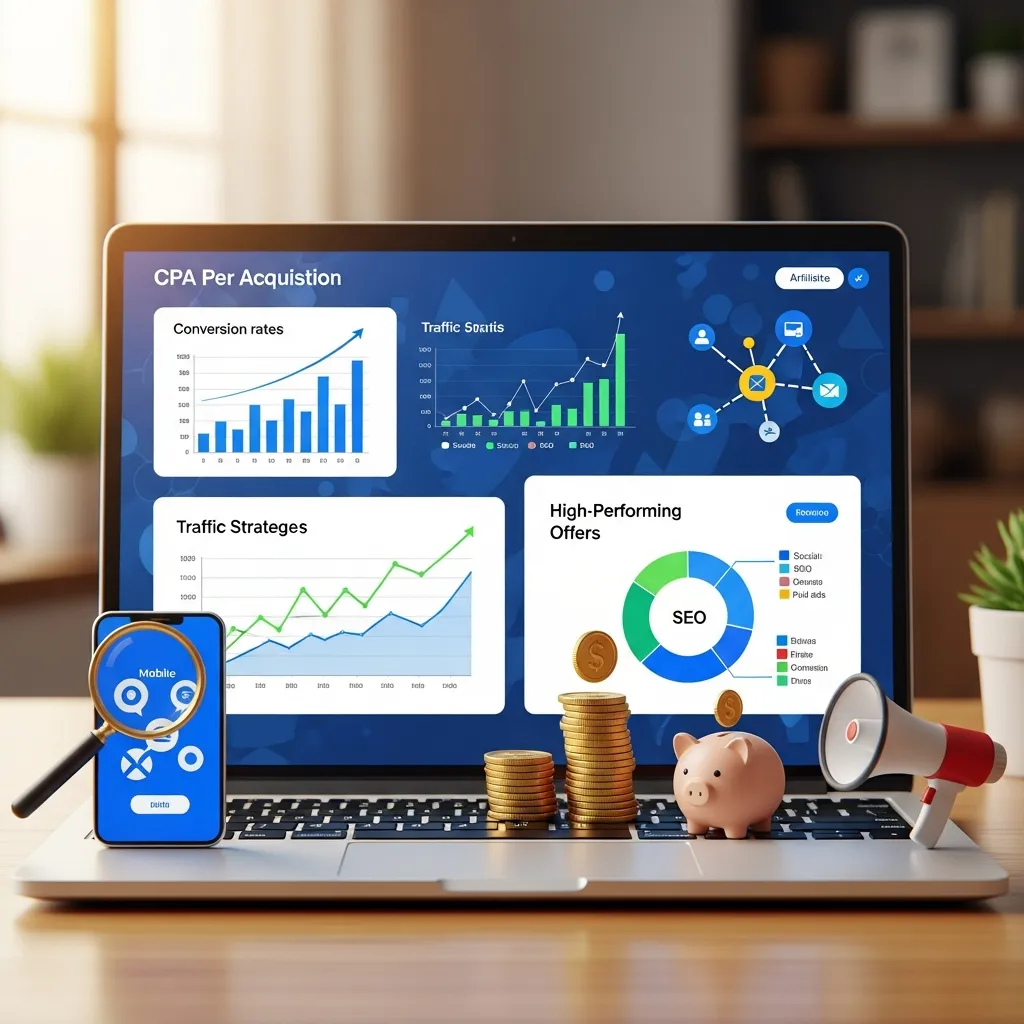
Driving sales requires more than just pasting links on the internet. You need a deliberate strategy to build trust and guide users toward making a purchase.
Building an Engaged Audience
People buy from creators they trust. Focus on building an engaged audience through a dedicated blog, YouTube channel, or email list. Provide immense value upfront before asking for a sale. When your audience views you as a trusted advisor, your cost per sale (CPS) affiliate marketing conversions will naturally increase.
Content Marketing for Conversions
Content is the engine that drives cost per sale (CPS) affiliate marketing. Creating highly targeted content helps capture users who are already near the end of the buying cycle.
Product Reviews and Comparisons
Detailed reviews are incredibly effective for cost per sale (CPS) affiliate marketing. When a user searches for “Product X review,” they already have purchase intent. Highlighting the pros, cons, and personal experiences with the product builds credibility.
“How-To” Guides and Tutorials
Educational content naturally leads to sales. If you write a tutorial on “How to build a website,” you can organically integrate cost per sale (CPS) affiliate marketing links for web hosting, themes, and plugins.
Listicles and Gift Guides
Round-up posts like “The 10 Best Laptops for Video Editing” attract users comparing their options. Including your cost per sale (CPS) affiliate marketing links for each item gives the reader multiple avenues to make a purchase through your tracking code.
SEO Best Practices for CPS Affiliates
Search engine optimization ensures your cost per sale (CPS) affiliate marketing content gets seen by the right people. Target transactional keywords containing modifiers like “buy,” “best,” “review,” or “discount.” Optimize your on-page elements, ensure fast loading speeds, and build high-quality backlinks to improve your rankings.
Leveraging Social Media and Paid Advertising
While SEO provides long-term organic traffic, social media and paid ads can deliver immediate results. Platforms like Pinterest and YouTube are highly visual and excellent for product demonstrations. If you have the budget, you can also use Google Ads to bid on high-intent search terms, though you must ensure the affiliate program allows paid search bidding on their brand terms.
Optimizing Your CPS Campaigns
To maximize your cost per sale (CPS) affiliate marketing revenue, you must continuously monitor and refine your approach.
Tracking and Analytics
You cannot improve what you do not measure. Use tools like Google Analytics and the reporting dashboards provided by your affiliate networks. Track which pages generate the most clicks and which specific links lead to sales.
A/B Testing and Conversion Rate Optimization
Small tweaks can yield massive improvements in cost per sale (CPS) affiliate marketing. Test different call-to-action buttons, link placements, and headline variations. If a page gets high traffic but low sales, try rewriting the product introduction or adding a comparison table to boost the conversion rate.
Scaling Your Efforts
Once you find a cost per sale (CPS) affiliate marketing campaign that works, scale it. Reinvest your profits into creating more content, hiring freelance writers, or increasing your paid advertising budget. You can also duplicate your successful strategies into new, related niches.
Common Challenges and How to Overcome Them
Every marketer faces hurdles. Here is how to navigate the most frequent obstacles in cost per sale (CPS) affiliate marketing.
Dealing with Low Conversion Rates
If people click your links but do not buy, there is a disconnect. Ensure the traffic you are driving actually matches the product. If your audience is looking for free solutions, they will not convert on a $500 software product. Align your cost per sale (CPS) affiliate marketing offers with the specific intent of your audience.
Managing Competition
Cost per sale (CPS) affiliate marketing is competitive. To stand out, offer something your competitors do not. This could be a unique bonus guide you provide to anyone who purchases through your link, or simply a more thorough, honest, and well-designed product review.
Staying Updated with Industry Trends
Affiliate program terms change, commission rates fluctuate, and new products enter the market daily. Stay active in marketing forums, subscribe to industry newsletters, and regularly check your affiliate dashboards to keep your cost per sale (CPS) affiliate marketing strategy current.
Start Earning With CPS Today
Succeeding in cost per sale (CPS) affiliate marketing takes time, patience, and a willingness to learn. It is not a get-rich-quick scheme, but rather a legitimate business model that rewards hard work and strategic thinking. By choosing the right niche, creating high-intent content, and constantly optimizing your conversion rates, you can build a sustainable income stream.
Your next step is simple. Choose a niche you are passionate about, sign up for a reputable affiliate network, and start creating content that solves problems for your target audience.Read for more :SEO for YouTube and Google
Frequently Asked Questions (FAQs)
1. What is Cost Per Sale (CPS) affiliate marketing?
Cost per sale (CPS) affiliate marketing is a performance-based marketing model where an affiliate earns a commission only when a referred user makes a successful purchase.
2. How does CPS differ from Cost Per Action (CPA) affiliate marketing?
In Cost Per Action (CPA) Affiliate Marketing, affiliates earn money when a user completes a specified action, like filling out a form or signing up for a trial. In CPS, the user must actually spend money and buy a product for the affiliate to get paid.
3. What are the main benefits of CPS for affiliates?
The primary benefit of cost per sale (CPS) affiliate marketing is the high earning potential. Since actual revenue is generated, merchants offer much higher commissions per conversion compared to lead generation models.
4. What are the main benefits of CPS for merchants?
Merchants love cost per sale (CPS) affiliate marketing because it carries zero risk. They only pay for guaranteed marketing results, ensuring a positive return on their marketing spend.
5. How do I find the best CPS affiliate programs?
You can find top cost per sale (CPS) affiliate marketing programs by joining major networks like ShareASale, CJ Affiliate, and Rakuten. You can also search for “[Your Niche] + affiliate program” on search engines.
6. What commission rates can I expect in CPS marketing?
Rates vary wildly by industry. Physical products usually offer between 2% and 10%, while digital products and software can offer anywhere from 30% to 75% per sale.
7. What kind of content works best for CPS?
High-intent content works best for cost per sale (CPS) affiliate marketing. This includes detailed product reviews, competitor comparisons, listicles, and educational how-to guides.
8. How important is SEO for CPS affiliates?
SEO is critical. Ranking organically for buyer-intent keywords is the most sustainable way to drive consistent, free traffic to your cost per sale (CPS) affiliate marketing offers.
9. Can I do CPS affiliate marketing without a website?
Yes. You can use YouTube, social media platforms, or an email list to share your links. However, having a dedicated website gives you more control and credibility.
10. How do I track my CPS affiliate sales?
Your chosen affiliate network will provide you with a unique tracking link. Their internal dashboard will automatically track clicks, sales, and your total commissions.
11. What are common mistakes to avoid in CPS marketing?
Common mistakes include promoting low-quality products just for high commissions, ignoring search intent, and failing to disclose affiliate relationships to readers.
12. Is Cost Per Sale (CPS) affiliate marketing profitable?
Yes. When executed correctly, cost per sale (CPS) affiliate marketing is highly profitable and can serve as a full-time business or a lucrative side income.