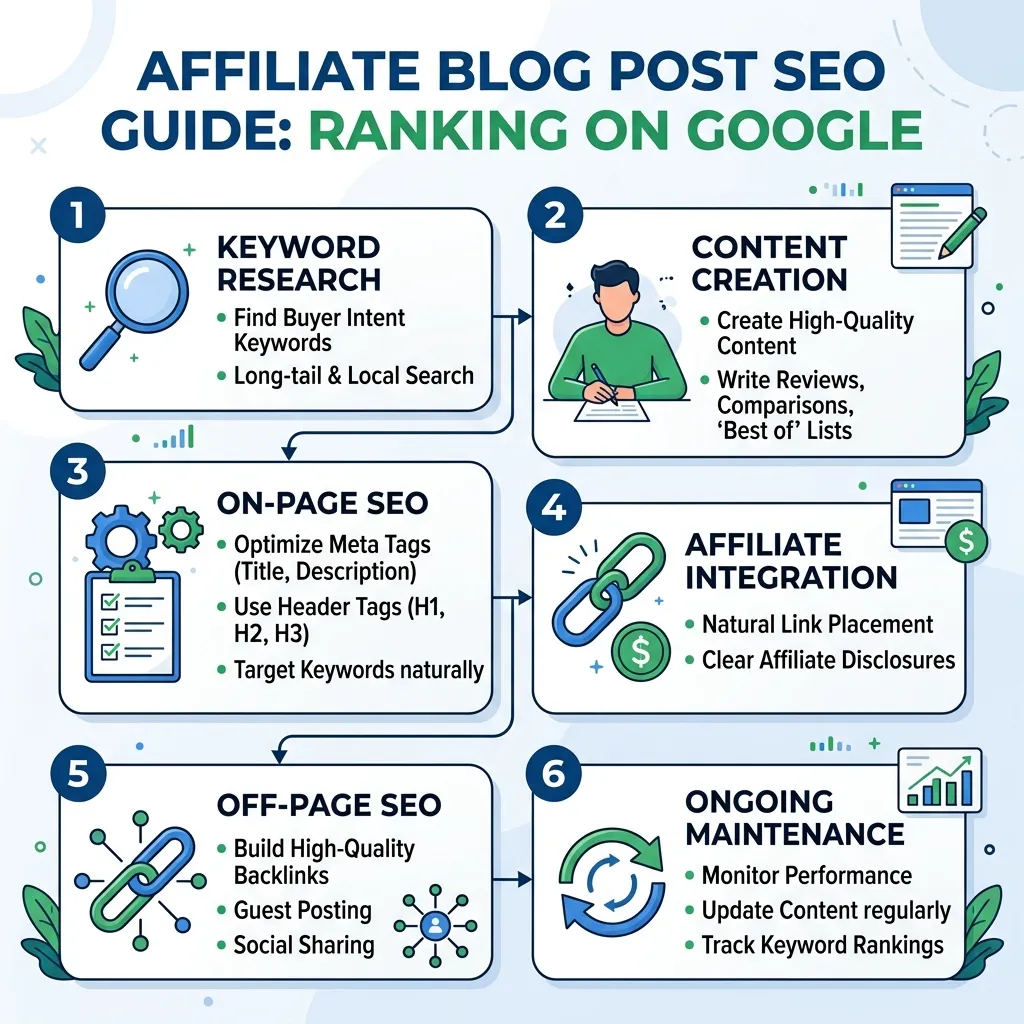
Affiliate pages do not rank because they mention products. They rank because they solve a problem better than competing pages. When a reader lands on a post, the page must answer a real question fast, then continue delivering useful detail without making the visitor feel pushed. That balance is what search engines reward and what readers remember.
How to Rank Affiliate Blog Posts on Google starts with one simple truth: Google wants the safest, clearest, most helpful result for the searcher. If a page feels thin, repetitive, or built only to sell, it usually struggles. If a page feels practical, specific, and trustworthy, it stands a much better chance of climbing.
How to Rank Affiliate Blog Posts on Google also depends on understanding the reader’s state of mind. A person searching for a product comparison is not looking for a lecture. They want confidence, speed, and clarity. They want to know what works, what does not, what is worth paying for, and what they can ignore. Your job is to remove confusion and make the next step obvious.
How to Rank Affiliate Blog Posts on Google becomes easier when you stop thinking like a publisher and start thinking like a helper. The page should answer questions in the same order the reader asks them. It should feel natural, not forced. It should sound like a guide from someone who has already done the hard part and is now handing over the shortcut.
How to Rank Affiliate Blog Posts on Google improves when the article is built around search intent, topical depth, and real-world usefulness. That means choosing the right keyword, covering the subtopics people expect, and showing experience through details, examples, and decision-making help.
Start with the right intent
How to Rank Affiliate Blog Posts on Google is easier when the intent is clearly informational, commercial, or mixed. Some readers want education first and buying advice later. Others want a best-of list right away. Some want comparisons. Some want pros and cons. Before writing, identify what the searcher really wants, because intent mismatch is one of the fastest ways to lose rankings.
A page that matches intent gives readers what they came for without making them work too hard. If the top results all show detailed comparisons, then a short opinion piece will struggle. If the top results are mostly tutorials, then a buying guide may not satisfy the query. Study the first page of Google, notice the pattern, and build something that fits the same purpose while being more useful.
How to Rank Affiliate Blog Posts on Google requires more than a good title. It requires the right content angle. Think about whether the audience wants beginners’ guidance, a buyer’s checklist, a review roundup, a “best for” article, or a direct solution to a specific pain point. When the angle is right, the page feels familiar to readers and relevant to search engines.
How to Rank Affiliate Blog Posts on Google also means respecting the emotional stage of the searcher. Many affiliate readers are cautious. They worry about wasting money, choosing the wrong product, or trusting a fake recommendation. Your content should reduce that anxiety with honest language, balanced pros and cons, and clear selection criteria. Calm confidence beats hype every time.
Choose opportunities with lower competition

How to Rank Affiliate Blog Posts on Google becomes more practical when you do not chase the hardest keywords first. Start with topics that show real demand but weaker competition. This gives you a faster path to traction, links, and trust. The early goal is not to win the biggest keyword in your niche. The goal is to win topics you can genuinely cover well.
Low Competition Affiliate Keywords are valuable because they let newer sites build momentum without fighting enormous brands head-on. These topics usually have clearer intent, tighter sub-niches, and more specific pain points. A page built around a narrower problem can often outrank a broad, generic article because it speaks more directly to the searcher.
How to Rank Affiliate Blog Posts on Google is strongly influenced by the shape of the keyword. Specific long-tail phrases often reveal stronger purchase intent and easier ranking opportunities. They may not bring huge traffic individually, but they can create a portfolio of small wins that adds up to meaningful revenue over time.
How to Rank Affiliate Blog Posts on Google works best when you map topics into clusters. One cluster can cover beginner questions, another can cover comparisons, another can cover implementation, and another can cover product selection. This approach helps your site look more complete while giving each article a focused purpose.
Do affiliate keyword research the smart way
How to Rank Affiliate Blog Posts on Google depends on strong topic selection, and that starts with research. Do not choose keywords only because they look popular. Check the intent, the competition, the quality of current results, and the commercial value behind each phrase. A keyword with lower volume can outperform a high-volume term if the searchers are closer to action.
Affiliate Marketing Keyword Research should combine search intent analysis, competitor review, and customer language. Read forums, comment sections, Reddit threads, product reviews, YouTube comments, and Q&A sites. Notice how real users describe their problems. Their words often become your best subheadings, questions, and comparison points.
How to Rank Affiliate Blog Posts on Google improves when your keyword list includes informational, comparative, and transactional terms. Informational keywords attract early-stage readers. Comparative keywords attract people narrowing options. Transactional keywords attract readers close to buying. A healthy content plan includes all three so your site supports the full journey.
How to Rank Affiliate Blog Posts on Google also improves when you avoid keyword stuffing in the old-fashioned sense. Search engines understand topics, synonyms, and related entities far better than before. Instead of repeating a phrase awkwardly, build semantic depth with terms, examples, use cases, and related questions that make the article feel complete.
Build a page that deserves to rank
How to Rank Affiliate Blog Posts on Google is never just about the keyword. The page itself must deserve visibility. That means the article should be useful, organized, and credible from the first screen to the last paragraph. Readers should be able to scan it, trust it, and continue reading without friction.
How to Rank Affiliate Blog Posts on Google gets stronger when your article starts with clarity. The introduction should say what the article covers, who it is for, and what result the reader can expect. This reduces bounce risk because the visitor instantly knows they are in the right place.
How to Rank Affiliate Blog Posts on Google also benefits from a clean structure. Use headings that answer the reader’s natural questions. Break complex ideas into short sections. Add examples where needed. A wall of text creates resistance, while well-separated ideas build momentum and keep attention alive.
How to Rank Affiliate Blog Posts on Google becomes more achievable when the content shows judgment. Do not just list features. Explain why one option is better for a beginner, why another is better for a budget buyer, and why a third makes sense for a specific use case. Judgment builds trust because it proves the page is not random copy.
Use human psychology, not just SEO tricks
How to Rank Affiliate Blog Posts on Google is partly technical, but psychology matters just as much. Readers click because they want relief from uncertainty. They stay because they feel understood. They buy because they believe the recommendation reduces risk. Good affiliate writing speaks to these emotions with calm authority.
How to Rank Affiliate Blog Posts on Google improves when you address fear, hesitation, and comparison fatigue. Many visitors have already seen several competing pages. They do not need more noise. They need a clear path. Help them decide by narrowing choices, naming trade-offs, and highlighting the safest option for their situation.
Is Affiliate Marketing Legit is a question many new readers ask before they trust any recommendation. Your content should answer that concern indirectly and directly. Show that affiliate links are normal, that transparency matters, and that honest recommendations protect both the reader and the site. Transparency is not a weakness; it is part of trust.
How to Rank Affiliate Blog Posts on Google also benefits from authority signals that feel human. Mention personal testing, practical observations, or a clear selection framework. Even if you have not physically used every product, your process should still feel thoughtful and grounded. Readers reward specificity because it feels real.
Create content depth that competitors miss
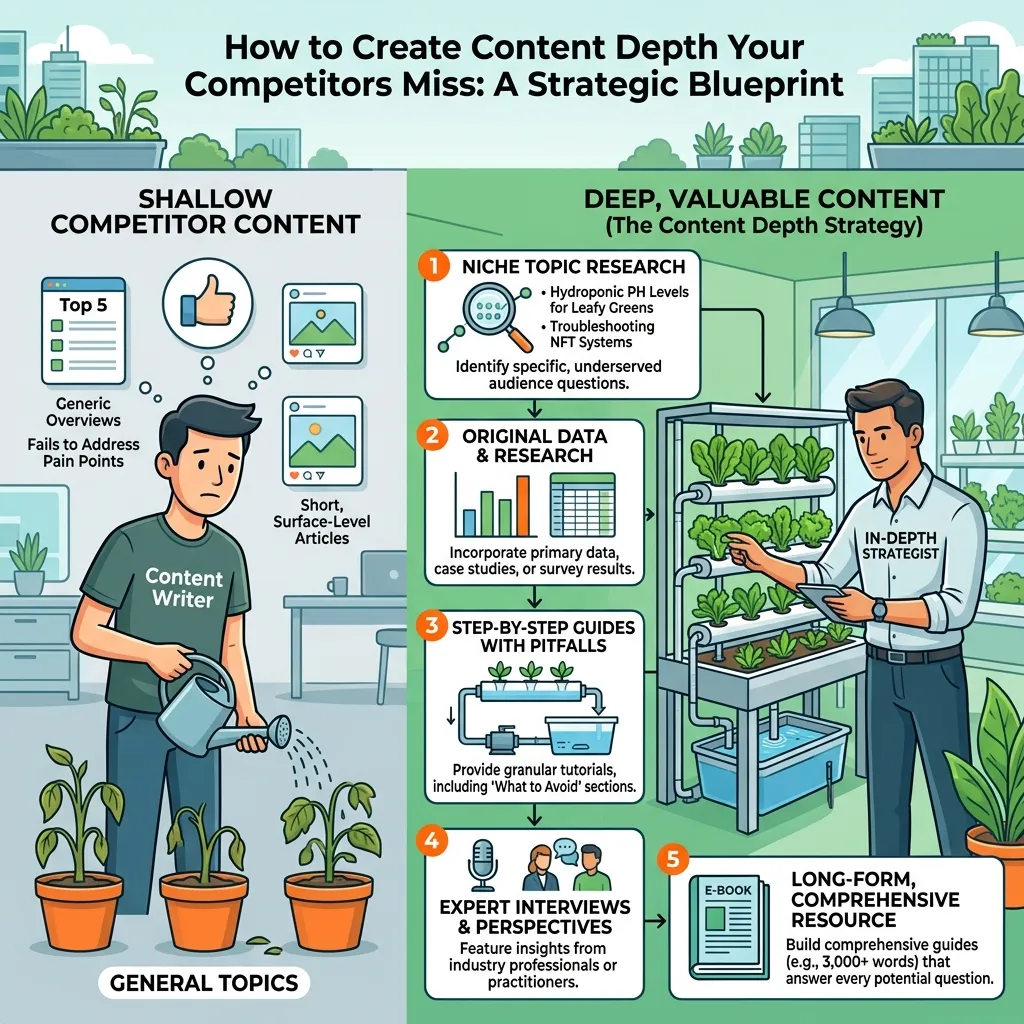
How to Rank Affiliate Blog Posts on Google often comes down to depth. Depth does not mean writing for the sake of length. It means covering the questions and sub-questions the reader is likely to have after the first answer. Every useful layer should reduce confusion and increase confidence.
How to Rank Affiliate Blog Posts on Google works better when each section moves the reader forward. Start with the big picture, then move into selection criteria, then into comparisons, then into recommendations, then into action steps. This sequence mirrors how buyers think and makes the article feel easy to follow.
How to Rank Affiliate Blog Posts on Google also improves when you include contrast. Show the difference between cheap and premium options, simple and advanced options, beginner-friendly and expert-friendly options. Contrast helps readers understand value faster, and that understanding supports both ranking and conversion.
How to Rank Affiliate Blog Posts on Google becomes stronger when your content answers objections before they are fully formed. For example, explain whether a tool is worth paying for, whether a cheaper option is enough, or what kind of user should avoid a certain product. Proactive answers reduce friction.
Use SEO Affiliate Marketing with a content system
How to Rank Affiliate Blog Posts on Google should be part of a broader content system, not a single isolated post. One ranking page can support related articles, internal links, and topic authority. A site that looks organized around a subject often performs better than a site with random posts and weak structure.
SEO Affiliate Marketing works best when every article has a role. Some pages educate. Some pages compare. Some pages recommend. Some pages solve a narrow problem. When these pages connect logically, they create a topical map that helps both readers and search engines understand your expertise.
How to Rank Affiliate Blog Posts on Google becomes easier when you build supporting content around the main keyword. Write related posts answering related questions. Link them naturally. This strengthens discoverability and keeps readers on your site longer. A single article can become the doorway to a larger content ecosystem.
How to Rank Affiliate Blog Posts on Google also depends on internal linking discipline. Do not link randomly. Link where the next useful step actually exists. If a reader needs a deeper explanation, send them there. If they need a comparison, send them there. Good internal links feel helpful, not manipulative.
Make the article easy to scan
How to Rank Affiliate Blog Posts on Google improves when the page looks readable. Short paragraphs are easier to process. Descriptive headings make navigation simpler. Clear lists help the visitor understand options quickly. A scannable article earns more engagement because it respects attention.
How to Rank Affiliate Blog Posts on Google is helped by tables when comparisons matter. A table can summarize pricing, best use case, skill level, or feature differences. Readers appreciate quick comparison points, especially when they are deciding between multiple affiliate products.
How to Rank Affiliate Blog Posts on Google also benefits from plain language. Avoid exaggerated claims. Avoid vague praise. Say exactly what a product does well, what it does poorly, and who should consider it. Precision makes the content more credible and more helpful.
How to Rank Affiliate Blog Posts on Google should feel like a guide, not a pitch. If every paragraph sounds like a sales page, readers will distrust it. If the article sounds balanced, informative, and easy to understand, the audience stays longer and clicks with more confidence.
Strengthen trust with proof and consistency

How to Rank Affiliate Blog Posts on Google depends heavily on trust. Trust is built through consistency, not a single sentence. The page should keep its promises, avoid contradictions, and show a logical editorial process. Readers notice when a writer is careful, and Google tends to reward pages that appear dependable.
How to Rank Affiliate Blog Posts on Google improves when you add specific decision rules. For example, explain how you selected products, what criteria mattered most, and which feature mattered less than people think. A transparent framework makes the recommendation feel earned.
How to Rank Affiliate Blog Posts on Google also benefits from editorial honesty. If a product is good for beginners but weak for advanced users, say so. If a budget option is decent but limited, say so. Balanced writing does not reduce conversion; it usually increases it because it feels more believable.
How to Rank Affiliate Blog Posts on Google should include practical context wherever possible. Explain scenarios, use cases, and trade-offs. Context helps readers imagine how the recommendation fits into their own life, which makes the article more persuasive without being aggressive.
Optimize on-page elements properly
How to Rank Affiliate Blog Posts on Google also requires strong on-page SEO. The title should be clear and relevant. The meta description should promise a useful outcome. Headings should reflect real subtopics. Images, alt text, and file names should support the page topic. None of this is magic, but all of it improves clarity.
How to Rank Affiliate Blog Posts on Google is helped by keyword placement in important locations, but the placement should never feel forced. Use the main phrase where it makes sense in the title, introduction, and a few body sections. Surround it with related terms so the text reads naturally.
How to Rank Affiliate Blog Posts on Google also becomes stronger when the URL is clean and the page loads fast. Readers hate friction. Slow pages, confusing menus, and intrusive popups reduce trust. A simple and fast page keeps attention on the content instead of on the interface.
How to Rank Affiliate Blog Posts on Google also depends on mobile readability. Many readers discover affiliate content on phones, not desktops. So use simple formatting, short lines, enough spacing, and tap-friendly design. A mobile-friendly experience supports both user satisfaction and search performance.
Make the click feel safe
How to Rank Affiliate Blog Posts on Google is not only about bringing people in. It is also about making them feel safe enough to click an affiliate link. Safety comes from honesty, clear labeling, and a recommendation that feels appropriate to the reader’s goal.
How to Rank Affiliate Blog Posts on Google improves when your call to action is helpful rather than pushy. Instead of shouting “buy now,” explain what the next click offers. For example, the reader might compare pricing, check availability, or read detailed product specs. Clarity lowers resistance.
How to Rank Affiliate Blog Posts on Google also benefits from strategic placements of links. Place them where the reader naturally needs more information or is ready to compare options. Overloading the page with links can feel desperate. A smaller number of well-placed links often performs better.
How to Rank Affiliate Blog Posts on Google should always keep the reader’s interest first. If the link serves the reader, the conversion becomes a result of trust. That is the long-term way to win in affiliate content.
Consider CPA and other monetization angles carefully
How to Rank Affiliate Blog Posts on Google can support multiple monetization models, not just direct product sales. Some pages work well with lead generation, email capture, comparison tools, or alternative offers. The page should stay focused on reader value while still supporting revenue goals.
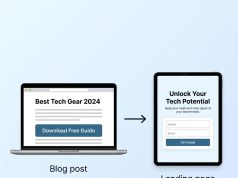
CPA Marketing Strategies can work especially well in content that targets sign-up intent, free trials, or downloadable tools. These offers often fit readers who want a quick action instead of a full product purchase. The same quality rules still apply: the offer must match the user’s need and feel relevant to the page.
How to Rank Affiliate Blog Posts on Google becomes more profitable when you match the monetization model to the search intent. A product review may suit an affiliate offer. A beginner guide may suit a free resource. A comparison page may suit multiple offers. Alignment matters more than volume.
How to Rank Affiliate Blog Posts on Google should never sacrifice trust for short-term gains. A page that pushes irrelevant offers may get clicks today but lose rankings tomorrow. Sustainable affiliate pages are built on usefulness, not trickery.
Improve topical authority over time
How to Rank Affiliate Blog Posts on Google is rarely a one-page game. The best affiliate sites build authority across a subject area. They publish supporting articles, update old content, and keep improving the pages that already show promise. Search engines notice sites that maintain quality over time.
How to Rank Affiliate Blog Posts on Google gets easier when you update your content regularly. Refresh examples, improve comparisons, replace outdated claims, and add new subheadings when needed. Updates show that the page is alive and cared for, which helps both readers and rankings.
How to Rank Affiliate Blog Posts on Google also benefits from consistent publishing around one niche. A focused site often performs better than a broad one because topic signals are clearer. When the site keeps talking about related problems, it starts looking like a real resource instead of a collection of random posts.
How to Rank Affiliate Blog Posts on Google should therefore be part of a repeatable editorial plan. Every new article should connect to a broader goal. Every link should support the user journey. Every update should strengthen the site’s trust signals.
Common mistakes that stop affiliate pages from ranking
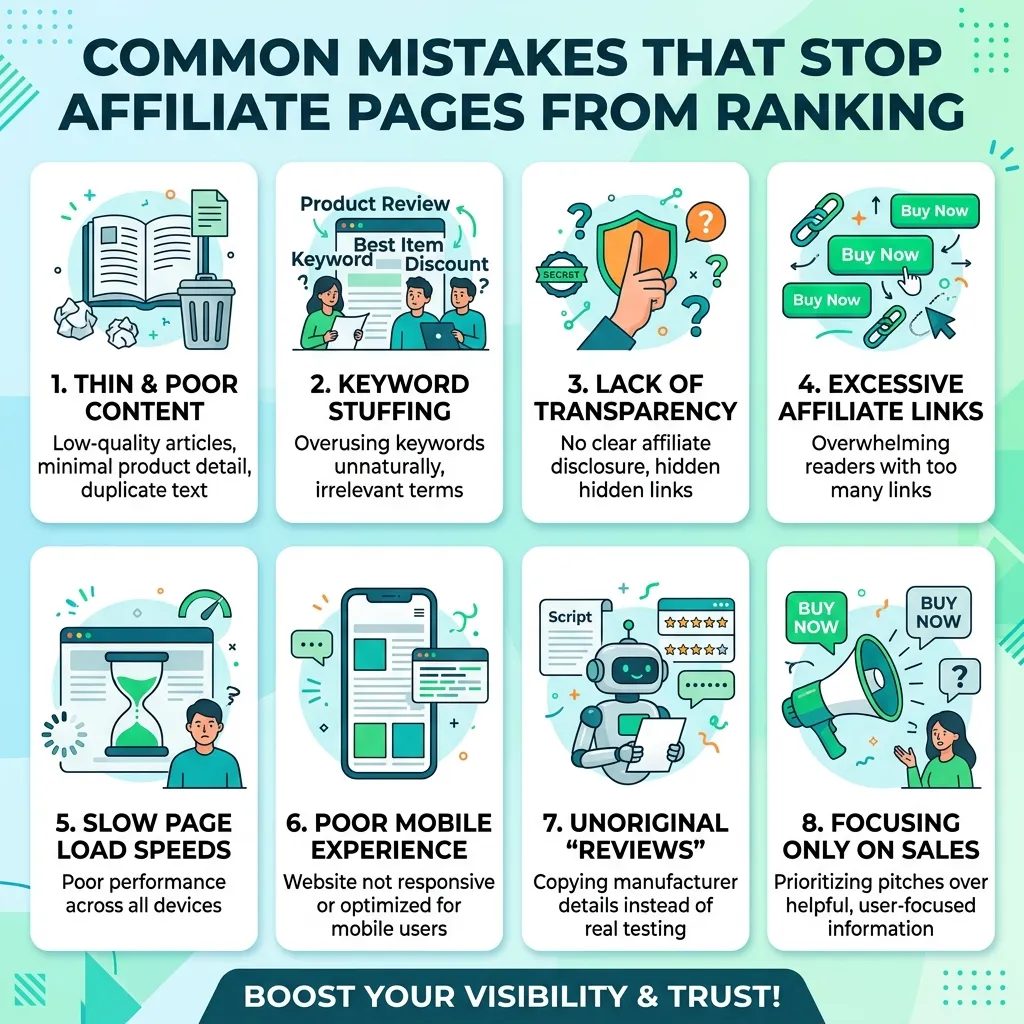
How to Rank Affiliate Blog Posts on Google becomes difficult when writers make avoidable mistakes. One major mistake is chasing broad keywords before building enough authority. Another is publishing thin content that barely explains anything. A third is writing like an ad instead of a guide.
How to Rank Affiliate Blog Posts on Google also suffers when the page copies the style of competitors without adding anything new. Search engines do not need another generic rewrite. They need a better answer, a cleaner structure, a smarter comparison, or a deeper explanation.
How to Rank Affiliate Blog Posts on Google is hurt by weak intent alignment. If the visitor wants a comparison and the page gives a history lesson, the content fails. If the reader wants beginner advice and the page assumes expert knowledge, the page fails for a different reason.
How to Rank Affiliate Blog Posts on Google also suffers when the site ignores engagement. Pages with messy layout, confusing navigation, or intrusive ads can lose reader trust quickly. A calm, useful experience helps the article feel worth staying on.
Final checklist before publishing
How to Rank Affiliate Blog Posts on Google should be checked against a simple list before the page goes live. Does it match intent? Does it answer the main question early? Does it cover important subtopics? Does it compare options fairly? Does it look easy to scan? Does it feel trustworthy? If the answer is yes, the page is ready for a strong start.
How to Rank Affiliate Blog Posts on Google is much more likely to succeed when the content feels complete. Readers should leave with a clear decision framework, not more confusion. The goal is not to impress them with complexity. The goal is to help them make a better choice faster.
How to Rank Affiliate Blog Posts on Google works best when every section has a purpose. Nothing should exist just to increase length. Every paragraph should help the reader understand, compare, or decide. That is how affiliate pages earn attention, trust, and clicks.
Conclusion
Ranking affiliate content is not about tricks. It is about matching intent, solving problems clearly, and building a page that feels honest, useful, and easy to trust. Start with the right keyword, study the competition, and create something more practical than what is already on the page. Use structure, depth, and careful wording to lower reader hesitation. Keep improving your pages after publishing, because authority grows with consistency. When your article helps people make a confident decision, search engines are more likely to reward it, and readers are more likely to act on it. Patience and precision usually win over shortcuts.
FAQs
1. How long should an affiliate blog post be?
A helpful affiliate post should be as long as needed to fully answer the search intent. For competitive topics, longer content often helps because it covers more questions and builds trust.
2. Should I promote many products in one article?
A focused article usually performs better than a crowded one. Choose a small number of relevant options and explain clearly who each one is for.
3. Do affiliate links hurt rankings?
Affiliate links do not automatically hurt rankings. Problems usually come from thin content, poor intent match, weak trust, or an overdone sales style.
4. How often should I update affiliate posts?
Update them whenever the information changes or when the page starts losing relevance. Regular refreshes help the content stay accurate and useful.
5. What makes an affiliate article trustworthy?
Trust comes from clear structure, balanced opinions, practical detail, transparent recommendations, and language that sounds helpful instead of pushy.
6. Can beginners rank affiliate posts?
Yes, especially if they target specific topics, solve narrow problems, and use lower-competition affiliate keywords instead of chasing overly broad terms.
7. Is keyword research really necessary?
Yes. Without research, you may write for the wrong audience or target a keyword that is too competitive or poorly matched to intent.
8. What role does content depth play?
Depth helps because it answers more of the reader’s follow-up questions. Better coverage usually means better usefulness, which supports ranking.