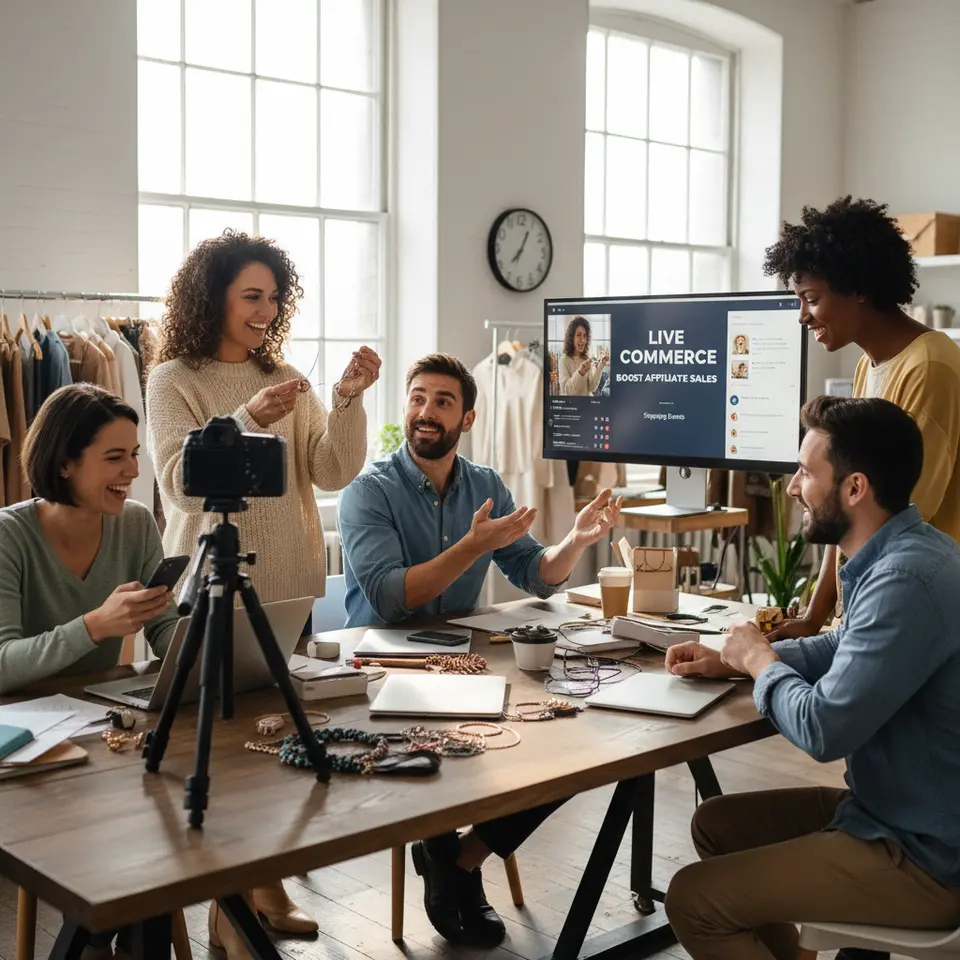
In today’s digital landscape, live commerce has swiftly become a transformative force, reshaping the way audiences discover and purchase products online. By merging real-time video broadcasts with interactive shopping tools, this innovative approach empowers affiliate marketers to engage viewers, demonstrate product benefits firsthand, and embed purchase links without disrupting the user experience. As consumer behavior shifts toward more authentic and immersive encounters, brands that leverage live commerce unlock a powerful channel for driving conversions, fostering community, and establishing trust. Currently, viewers expect more than static images or pre-recorded demonstrations; they seek dynamic exchanges that feel personal and instantaneous.
This year, affiliate professionals are seizing the opportunity to integrate live commerce into their strategies. Whether broadcasting from a professional studio or a mobile setup, hosts can walk audiences through an item’s features, respond to questions instantly, and highlight limited-time promotions. The result is a seamless continuum from product discovery to purchase—all within a single video interface. In this comprehensive article, we’ll explore the core principles of live commerce, examine its unique benefits for affiliates, guide you through platform selection and setup, and share best practices for planning, hosting, and analyzing live shopping events. By the end, you’ll be equipped to harness live commerce effectively and elevate your affiliate marketing performance in today’s competitive marketplace.
Understanding Live Commerce: Definition and Evolution
At its essence, live commerce refers to the fusion of live video streaming with direct shopping functionality. Unlike traditional e-commerce, which often relies on static images and text descriptions, live commerce introduces human hosts who walk audiences through products in real time. These sessions blend product demonstrations, Q&A segments, and exclusive offers, all while enabling viewers to click links, scan QR codes, or interact via chat. The immediacy of this format reduces friction and cultivates a sense of urgency, encouraging purchases during the broadcast rather than days later.
Historically, this concept traces back to television shopping networks, but advancements in streaming technology and mobile penetration have democratized access, allowing individual affiliates and small businesses to launch live shopping events with minimal investment. Social platforms such as Instagram Live, Facebook Live Shopping, and specialized vendors like Livescale and Bambuser now offer built-in commerce integrations and affiliate tracking. In fact, a recent report by the U.S. Census Bureau indicates that interactive video shopping is among the fastest-growing segments of online retail, reflecting increasing consumer appetite for engaging livestream content.
The evolution of live commerce has been driven by several factors: improved broadband infrastructure, the rise of social media influencers, and shifting consumer expectations for authenticity. Unlike conventional ads, live sessions feel unscripted and dynamic—viewers connect with hosts on a personal level, which amplifies trust. As this medium continues to mature, affiliate marketers must understand its history and technological underpinnings to craft compelling experiences that resonate with modern audiences.
Key Benefits of Live Commerce for Affiliate Marketers
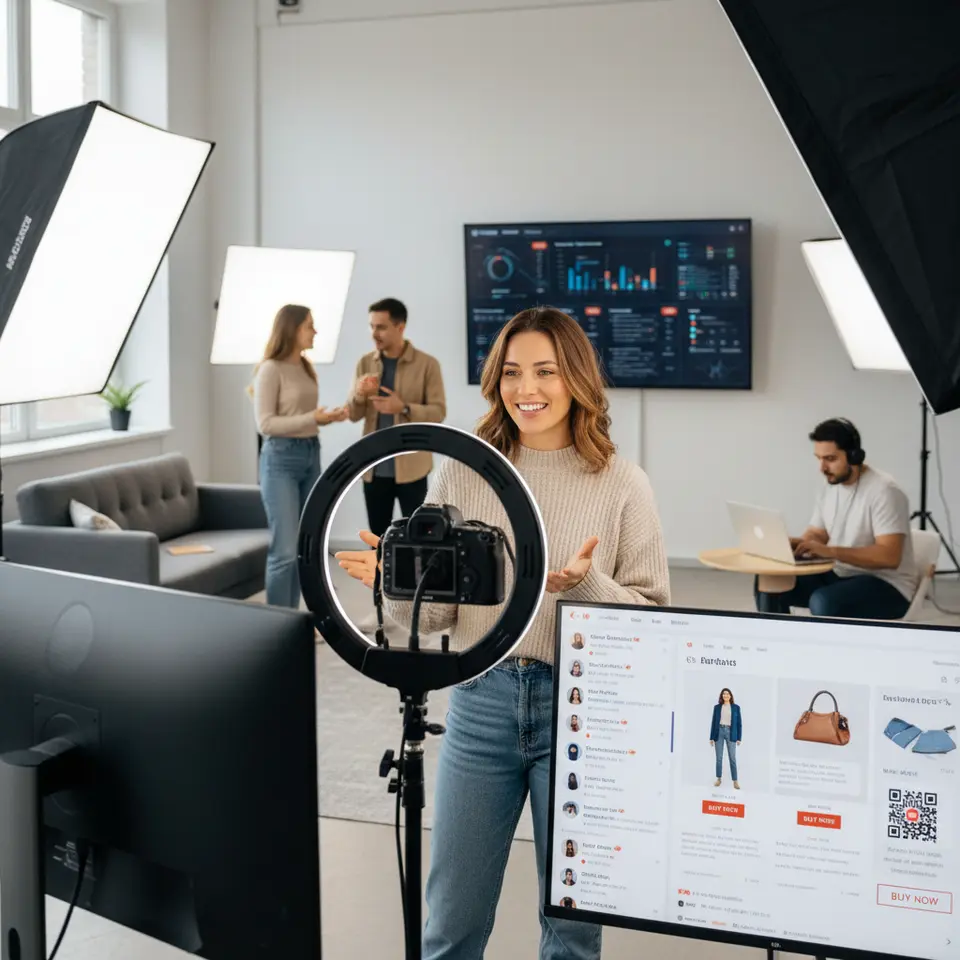
Live commerce delivers a suite of advantages that differentiate it from other promotional tactics. First and foremost is engagement. Interactive live events captivate audiences in ways pre-recorded content often cannot. When viewers ask questions in real time and receive immediate answers, their sense of involvement deepens, boosting watch times and strengthening brand perception. High engagement correlates with increased click-through rates on affiliate links, a direct driver of revenue.
Authenticity plays a pivotal role as well. Viewers perceive live hosts as genuine, unfiltered sources of product insights. This authenticity fosters trust, which is essential for affiliate success. According to research published by Cornell University, peer-to-peer recommendations and transparent demonstrations significantly influence purchase decisions. When hosts appear relatable and candid, audiences are more likely to follow their guidance and complete transactions.
Another advantage is the creation of urgency and a fear of missing out (FOMO). By introducing time-limited offers, countdown timers, and exclusive livestream-only discounts, affiliates can tap into viewers’ desire to act quickly. This urgency often translates into impulse buys, driving higher conversion rates than static sales pages can achieve. Furthermore, the interactive nature of polls, quizzes, and chat prompts allows hosts to gather instant feedback. Based on audience reactions, hosts can pivot messaging on the fly, highlighting features that resonate most and optimizing the flow for maximum impact.
Finally, live commerce fosters community building. Consistent, high-quality broadcasts cultivate a loyal follower base that returns for each event. This community dynamic multiplies reach as viewers share streams with friends or on social media, amplifying the affiliate’s influence. In today’s crowded marketplace, these engaged communities become brand advocates, amplifying word-of-mouth referrals and extending the lifecycle of a single livestream beyond its initial runtime.
Selecting and Setting Up Your Live Commerce Platform
Choosing the right platform is a foundational step for any live commerce initiative. Affiliates should evaluate options based on integration capabilities, user experience, analytics, and scalability. Popular solutions include social media channels like Instagram Live Shopping and Facebook Live, which benefit from massive built-in audiences, as well as dedicated services such as TalkShopLive, Livescale, and Bambuser that offer enterprise-grade features tailored to e-commerce needs.
Key considerations when selecting a platform include:
- Affiliate Tracking Integration: Ensure the platform supports UTM parameters or native affiliate link embeds, allowing accurate revenue attribution.
- Interactive Tools: Look for chat moderation, poll creation, shoppable overlays, and QR code generation to streamline navigation from video to checkout.
- Scalability: Confirm the solution can handle peak concurrent viewers without buffering issues, particularly during high-profile events.
- Analytics Dashboard: Access to real-time metrics—view counts, click-through rates, average watch time, and conversion data—enables data-driven optimizations.
- User Experience: Choose an interface that is intuitive for both hosts and viewers, minimizing technical hurdles.
Once you’ve identified a platform, set up requires careful planning. Begin with a test run to validate internet bandwidth, camera angles, lighting, and audio quality. Assign roles among your team—moderator, co-host, technical support—to ensure smooth execution. Create a structured run-of-show document that outlines the sequence of segments: introduction, product showcases, audience Q&A, special offers, and closing remarks. Upload product imagery and predefine affiliate links or promo codes so they can be deployed effortlessly at key moments.
Remember to include clear compliance disclosures regarding affiliate partnerships. A brief verbal mention at the start and written notice in the livestream description or chat banners will satisfy regulatory guidelines and maintain transparency. With solid groundwork, your live commerce events will run smoothly, setting the stage for impactful promotions.
Creating Engaging Live Commerce Events
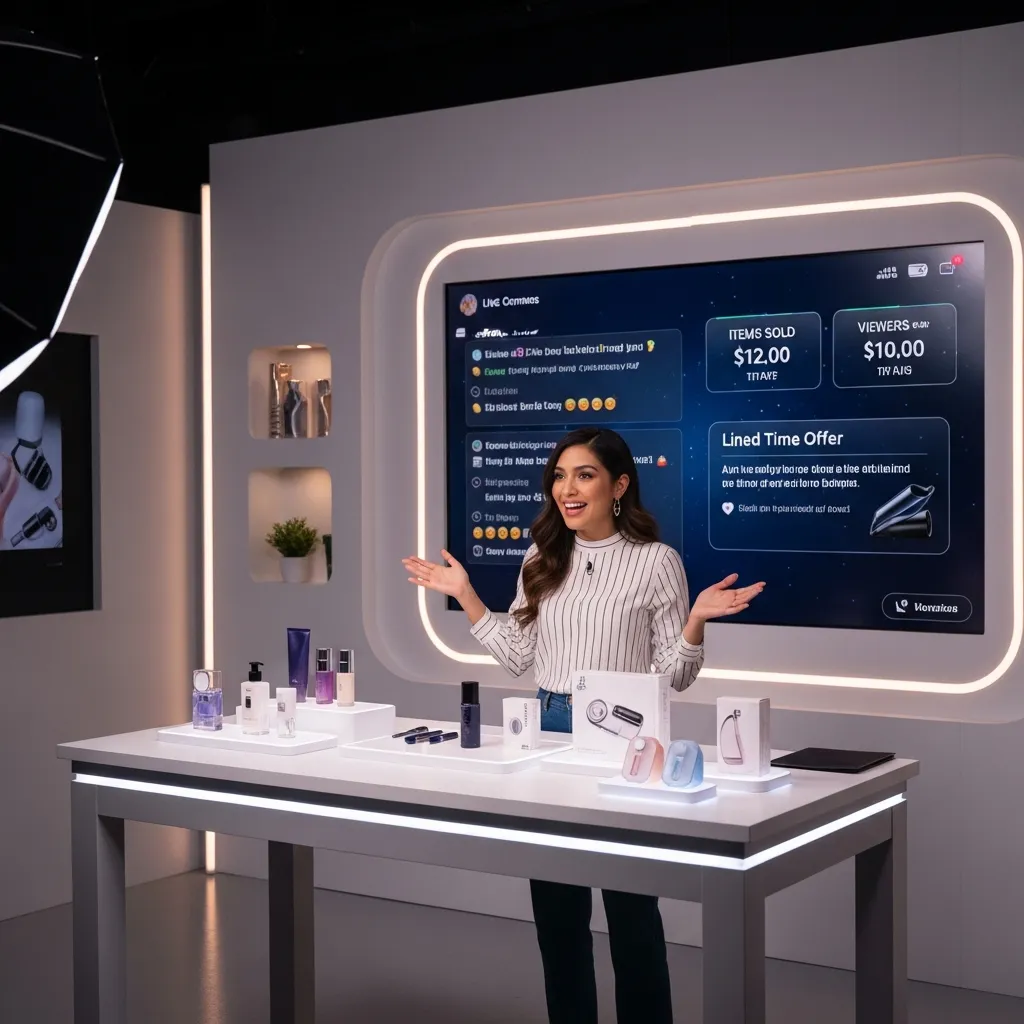
Planning content that captivates and converts is both an art and a science. Successful live commerce events follow a narrative flow—beginning with an attention-grabbing hook, moving into informative product demonstrations, integrating interactive segments, and concluding with compelling calls to action. Here’s how to weave these elements together:
Craft an Attention-Grabbing Opener
Start with a powerful introduction that teases exclusive deals and sets expectations. Introduce yourself and co-hosts, briefly explain what makes today’s event special, and outline the agenda. A bold promise—such as “Stick around for our flash sale in 30 minutes”—encourages viewers to stay tuned.
Deliver Authentic Product Demonstrations
Shift into hands-on demos, focusing on real-world use cases rather than generic specs. Show products in action, highlight unique features, and address common concerns. Invite on-screen volunteers or remote viewers to ask questions, fostering two-way communication. Authenticity shines when hosts share personal anecdotes or unscripted feedback, making viewers feel part of an exclusive community.
Incorporate Interactive Segments
Engagement peaks when viewers become active participants. Use live polls to let audiences choose the next product demo or run a quick quiz related to the featured item. Offer small incentives—such as discount codes or free samples—to poll participants to boost participation. These micro-moments of interaction keep energy high and strengthen connection.
Offer Time-Sensitive Promotions
Introduce limited-time offers midway through the event to capitalize on built-up excitement. Display countdown timers on screen, announce inventory limits, and remind viewers of the ticking clock. These tactics create urgency and prompt immediate action.
Maintain High Production Quality
Invest in clear audio, stable cameras, and flattering lighting. Even mobile broadcasts benefit from external microphones and simple ring lights. Test camera framing to ensure products are visible and hosts are well-lit. A polished presentation reinforces credibility and retains viewer attention.
Throughout the broadcast, encourage social sharing by inviting viewers to tag friends, repost the livestream link, or use a branded hashtag. This organic amplification can expand reach beyond your core audience, attracting new viewers who may convert into customers. Learn more details : Complete Cost Per Click (CPC)
Analyzing Performance and Optimizing for Future Streams

After each live commerce event, rigorous analysis is key to continuous improvement. Begin by collecting both qualitative and quantitative data. Quantitative metrics include peak concurrent viewers, average watch time, click-through rate (CTR) on affiliate links, conversion rate, and revenue per viewer. Many platforms provide built-in dashboards for instant access to these figures, while integrating Google Analytics or your affiliate network’s reports can yield deeper insights.
Qualitative feedback comes from viewer comments, post-event surveys, and social media mentions. Identify recurring questions or objections—these highlight areas where your messaging may require refinement. Pay attention to product categories that generated the highest conversions and segments that saw the most engagement. Analyzing drop-off points helps you pinpoint when viewers lost interest, guiding adjustments to pacing or content structure.
Once data is in hand, conduct a structured review:
- Performance Benchmarking: Compare metrics against previous events to measure growth and identify patterns.
- Content Effectiveness: Evaluate which demos or segments drove the most clicks and conversions.
- Audience Behavior: Note peak engagement times to optimize future broadcast schedules.
- Technical Audit: Document any glitches—buffering, audio dropouts, or chat moderation delays—and implement fixes.
- Partnership ROI: Assess the impact of influencer collaborations by tracking affiliate codes unique to each partner.
Armed with these insights, refine your strategy. You might shorten certain segments, experiment with different interactive formats, or test new promotional offers. Continuous experimentation—driven by data—will sharpen your live commerce events and drive stronger affiliate revenue in the long run.
Conclusion
Live commerce offers affiliate marketers an unparalleled opportunity to engage audiences, build credibility, and accelerate conversions in today’s fast-evolving e-commerce environment. By understanding the evolution of this medium, selecting the right streaming platform, and meticulously planning interactive events, you position yourself to deliver authentic, high-impact shopping experiences. Ongoing measurement and optimization ensure that each livestream becomes more effective than the last, enhancing ROI and strengthening audience loyalty. As consumers increasingly demand real-time interaction and transparent recommendations, integrating live commerce into your affiliate strategy this year is not just an option—it’s a necessity. Embrace this dynamic channel to differentiate your offerings, cultivate community, and unlock new revenue streams, all while remaining agile and responsive in an ever-changing digital marketplace.