Yes, affiliate marketing is a highly legitimate and legal business model. It is a performance-based digital marketing strategy where individuals earn commissions by promoting products for established brands. While the industry is entirely legitimate, success requires avoiding get-rich-quick scams, practicing transparent disclosures, and delivering genuine value to consumers.
When you see countless videos of people claiming to make thousands of dollars passively on a beach, it is natural to ask: is affiliate marketing legit? The internet is filled with income claims that seem too good to be true. This skepticism is healthy. It protects you from scams and bad investments.
However, beneath the loud promises of overnight wealth lies a stable, multi-billion-dollar industry. Affiliate marketing operates as a core component of the modern digital economy. It allows everyday creators, publishers, and businesses to partner with brands they love and earn a commission for driving sales.
Understanding the mechanics of this industry will help you navigate the noise. By learning how these partnerships function, you can confidently build a sustainable income stream. This guide explores the facts, strategies, and realities of the industry, answering the pressing question: is affiliate marketing legit?
What Are the Fundamentals of Affiliate Marketing?
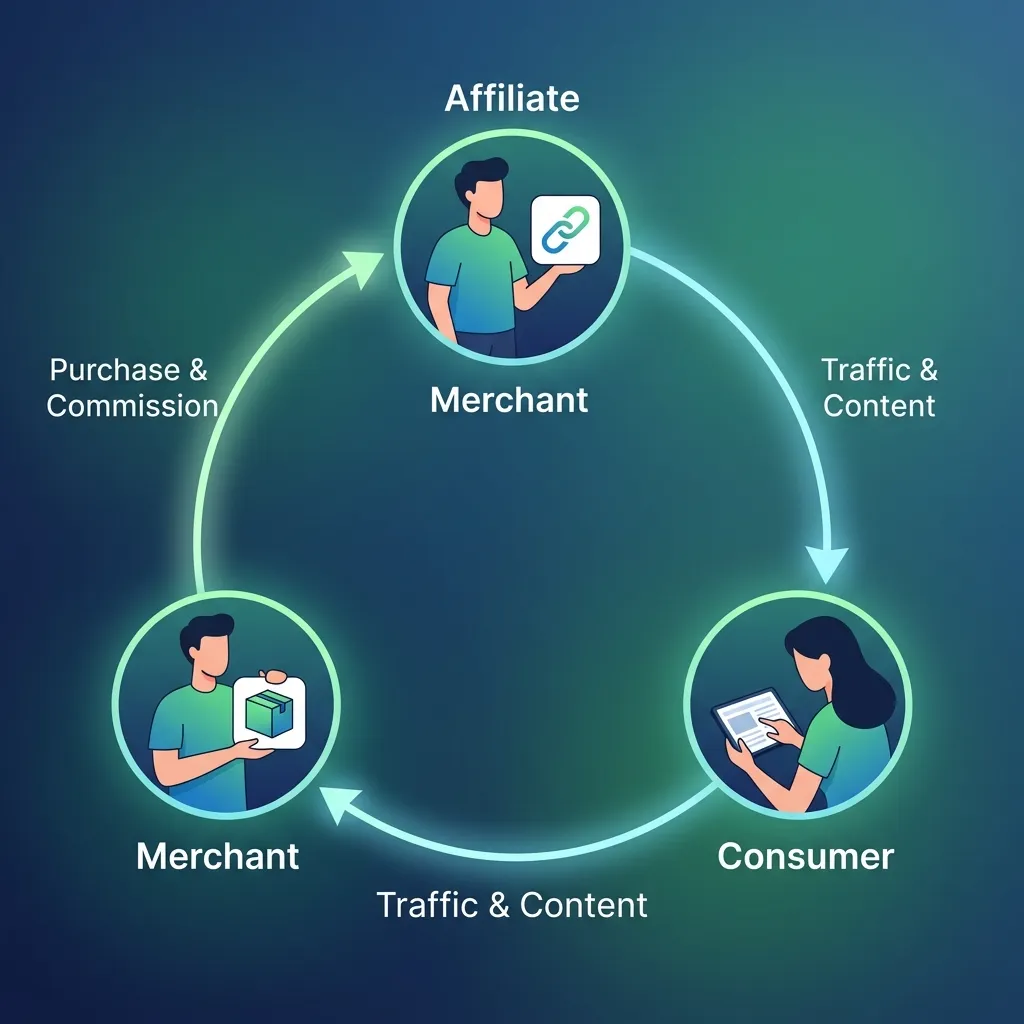
To understand why the answer to “is affiliate marketing legit” is a resounding yes, you must first understand its basic mechanics. Affiliate marketing relies on a straightforward revenue-sharing model involving multiple key players.
How Does Affiliate Marketing Work?
The ecosystem functions through the collaboration of four distinct entities. Each plays a vital role in ensuring products reach the right buyers.
The Role of the Merchant/Advertiser: The merchant is the creator or seller of the product. This can be a massive enterprise like Amazon or an independent software developer. They need sales and are willing to pay a commission to anyone who helps them acquire customers.
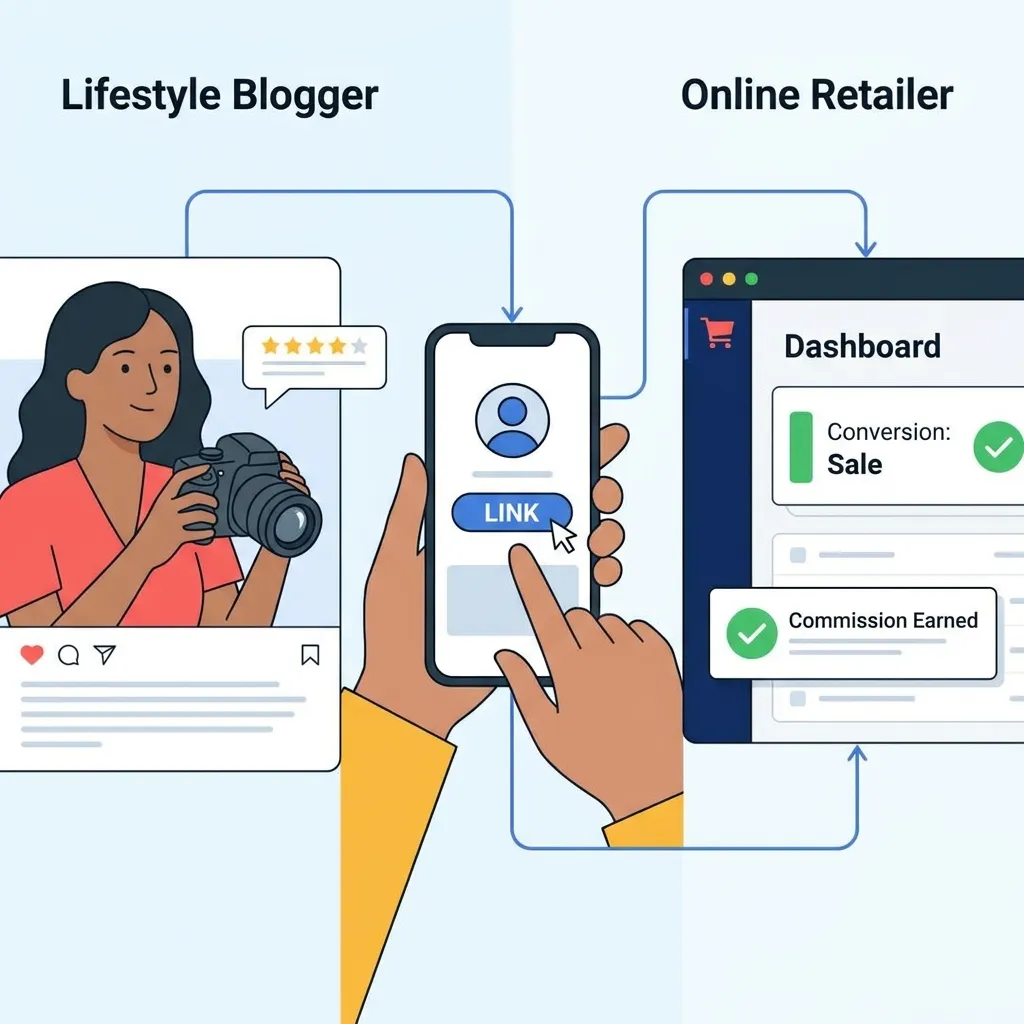
The Role of the Affiliate/Publisher: The affiliate is the marketer. They attract potential customers, educate them about the merchant’s product, and provide a unique tracking link. If the consumer buys through that link, the affiliate earns money.
The Role of the Consumer: Consumers make the entire system function. When they click an affiliate link and make a purchase, the tracking system attributes the sale to the affiliate. Legitimate affiliates prioritize the consumer’s needs, recommending only products that solve specific problems.
The Role of the Affiliate Network: Networks act as intermediaries between merchants and affiliates. Platforms like ShareASale or Commission Junction manage the tracking links, issue payouts, and provide a database of products for affiliates to promote.
Common Compensation Models
Affiliates are paid based on specific consumer actions. The three most common models include:
- Pay-Per-Click (PPC): The affiliate earns money simply by directing consumer traffic to the merchant’s website, regardless of whether a sale occurs.
- Pay-Per-Lead (PPL): The merchant pays the affiliate when a consumer signs up for a trial, subscribes to a newsletter, or fills out a contact form.
- Pay-Per-Sale (PPS): This is the standard structure. The affiliate earns a percentage of the final sale price when a consumer purchases the product.
How Can You Tell if Affiliate Marketing is Legit?
People frequently ask, “is affiliate marketing legit?” because they confuse it with multi-level marketing (MLM) or pyramid schemes. Let’s break down the legitimacy of the model and how to spot fraudulent operators.
The Legitimacy of the Business Model
Affiliate marketing is fundamentally a performance-based marketing strategy. Companies only pay for measurable results. This makes it incredibly efficient for brands.
Major global brands rely heavily on this structure. Amazon Associates is one of the largest affiliate networks globally. Retailers like eBay, Target, and Walmart, alongside tech giants like Adobe and Shopify, run massive affiliate programs. The participation of these Fortune 500 companies proves that the underlying business model is solid. So, is affiliate marketing legit? Absolutely, when functioning as a direct sales channel for real products.
Distinguishing Legitimate Programs from Scams
While the industry is valid, bad actors do exist. Knowing how to spot them is crucial.
Red Flags to Watch Out For:
Avoid programs that require you to pay a high “joining fee” to become an affiliate. Legitimate programs are free to join. Furthermore, stay away from merchants offering commissions that seem impossibly high without a clear business rationale. Finally, if the focus is on recruiting other affiliates rather than selling a product, it is likely a pyramid scheme.
Due Diligence: Researching Programs and Products:
Always investigate the merchant. Read customer reviews of the product. Check the terms of service within the affiliate agreement. A genuine program will offer clear payment terms, a functional tracking system, and responsive affiliate support.
What is the Evolution and Growth of Affiliate Marketing?
The industry has transformed dramatically over the last three decades, evolving alongside consumer behavior and technology.
Historical Context
The concept of revenue sharing predates the internet. However, the modern digital version began in 1996 when Amazon launched its Associates program. They allowed website owners to place links to books and earn a small commission on sales. This simple idea laid the groundwork for a global industry.
Current Market Trends and Statistics
Today, affiliate marketing is a major economic driver. According to industry reports, spending on affiliate programs grows consistently by approximately 10% annually. It accounts for a significant portion of all e-commerce sales, proving its ongoing viability to anyone wondering, is affiliate marketing legit?
The Impact of Digital Marketing on Affiliate Growth
The rise of digital marketing completely accelerated the affiliate model. Social media platforms, search engines, and content management systems gave everyday people the tools to reach millions of consumers. As digital marketing techniques became more sophisticated, affiliates learned how to target highly specific audiences, increasing conversion rates and overall profitability.
What Are Key Strategies for Successful and Legitimate Affiliate Marketing?

Success requires treating your affiliate links like a real business. Earning a sustainable income demands strategy, effort, and audience trust.
Building Trust and Transparency
Consumers are smart. They will only buy from people they trust.
Ethical Disclosure Practices: You must explicitly tell your audience when you use affiliate links. The Federal Trade Commission (FTC) mandates these disclosures. Place them clearly before the link appears. This transparency builds trust and keeps you legally compliant.
Promoting Quality Products/Services: Only recommend products you have tested or thoroughly researched. If you promote low-quality items just for a commission, your audience will quickly lose faith in your recommendations.
Content is King: Providing Value to Your Audience
You cannot simply paste links across the internet. You must provide context and value.
Niche Selection and Audience Understanding: Choose a specific niche, such as personal finance, home gardening, or enterprise software. Understand the pain points of your specific audience and find products that solve those exact problems.
Creating High-Quality Reviews, Guides, and Tutorials: Write comprehensive reviews that highlight both the pros and cons of a product. Produce step-by-step tutorials demonstrating how the product works. This content helps the consumer make an informed decision.
Traffic Generation Methods
Without traffic, you cannot generate sales. Successful affiliates use multiple digital marketing channels to attract visitors.
- SEO for Organic Reach: Search Engine Optimization helps your website rank higher on Google. When people search for “best running shoes,” a well-optimized affiliate article will capture that highly motivated traffic.
- Social Media Marketing: Platforms like YouTube, Instagram, and TikTok allow affiliates to build personal brands. Video content is exceptionally effective for product demonstrations.
- Email Affiliate Marketing: Building an email list allows you to communicate directly with your audience. Email Affiliate Marketing is powerful because you own the list, protecting you from sudden algorithm changes on social media.
- Paid Advertising (PPC): Experienced affiliates pay for ads on Google or Facebook to drive traffic directly to their promotional content.
What Are the Advanced Avenues in Affiliate Marketing?
As technology progresses, new sub-sectors of the industry are emerging. For those who already know that affiliate marketing is legit, these avenues offer fresh opportunities.
Blockchain Affiliate Marketing
The integration of blockchain technology is solving traditional tracking issues. Blockchain Affiliate Marketing offers decentralized, immutable tracking of clicks and sales. This ensures affiliates are paid instantly via smart contracts, reducing fraud and eliminating the need for traditional, centralized affiliate networks.
NFTs & Affiliate Marketing
Non-Fungible Tokens are creating unique digital ownership models. NFTs & Affiliate Marketing intersect when creators offer commissions to users who successfully promote and facilitate the sale of specific NFT collections. This space is highly experimental but rapidly growing.
The Intersection of AI and Affiliate Marketing
Artificial intelligence is helping affiliates write content faster, analyze data more accurately, and automate email campaigns. AI tools can identify consumer trends and suggest the best products to promote, drastically increasing an affiliate’s operational efficiency.
What Challenges and Risks Do Affiliate Marketers Face?
While we have established that the answer to “is affiliate marketing legit” is yes, it is not without hurdles.
Competition and Market Saturation
The barrier to entry is low, meaning competition is incredibly high. Standing out requires exceptional content, a unique voice, and persistent effort.
Policy Changes and Algorithm Updates
Affiliates rely heavily on third-party platforms like Google, YouTube, and Facebook for traffic. A sudden change in a search algorithm can wipe out a website’s traffic overnight. Diversifying your traffic sources is essential for survival.
Maintaining Credibility and Avoiding Black Hat Tactics
Some marketers use deceptive practices, such as fake reviews or cookie stuffing, to earn commissions. These “black hat” tactics will eventually result in bans from affiliate networks and search engines. Maintaining long-term credibility is far more profitable than chasing short-term, unethical gains.
Taking Your Next Steps in the Affiliate Space
So, is affiliate marketing legit? The evidence clearly shows that it is a valid, foundational element of the digital economy. It allows individuals to monetize their knowledge and influence by connecting consumers with valuable products.
However, it is not a magical shortcut to wealth. It is a business that requires strategic planning, consistent content creation, and a deep understanding of digital marketing principles. By focusing on transparency, selecting the right niche, and building genuine audience trust, you can leverage this powerful business model to create a sustainable and rewarding income stream.