This comprehensive guide provides a detailed look into the strategies that drive successful affiliate campaigns. By getting every email affiliate marketing type explained, you can better understand how to engage subscribers, build trust, and increase your commission rates.
Building a profitable online business often comes down to how well you communicate with your audience. When you connect with people directly in their inbox, you bypass noisy social media feeds and search engine algorithms. This direct line of communication is exactly why combining affiliate marketing with your email list is a highly effective strategy for generating revenue.
To truly maximize your earning potential, you need to know exactly which emails to send and when to send them. Sending the same generic promotions week after week will quickly lead to unsubscribes and low engagement. That is why having every email affiliate marketing type explained is crucial. Understanding the nuances of different campaigns allows you to provide genuine value while seamlessly recommending products you believe in.
In this guide, you will learn the core concepts of running successful campaigns. We will break down various Types of Affiliate Marketing within the email space, show you how to structure Affiliate Marketing Funnels, and highlight the importance of Personalized Email Sequences. By the end, you will have a clear roadmap for turning your subscriber list into a reliable income stream.
The Fundamentals of Email Affiliate Marketing

Before diving into the specific campaigns, you need a solid grasp of the basics. Having the fundamentals of an email affiliate marketing type explained ensures you build your strategy on a strong foundation.
Definition and Core Concept
At its core, this strategy involves promoting third-party products or services to your email subscribers. When a subscriber clicks your unique affiliate link and makes a purchase, you earn a commission. It bridges the gap between your audience’s needs and the solutions provided by other companies.
How It Works
The ecosystem consists of three main parties. First, the advertiser (or merchant) creates the product and the affiliate program. Second, the publisher (you, the affiliate) promotes the product using a unique tracking link sent via email marketing software. Finally, the consumer (your subscriber) reads your email, clicks the link, and buys the product.
Benefits for Affiliates and Merchants
For affiliates, this method provides a scalable way to earn passive income without the hassle of product creation or customer service. You own your email list, meaning you control your audience access. For merchants, it represents a cost-effective marketing channel. They only pay for actual sales, making it a low-risk way to acquire new customers.
Understanding Different Email Affiliate Marketing Types Explained
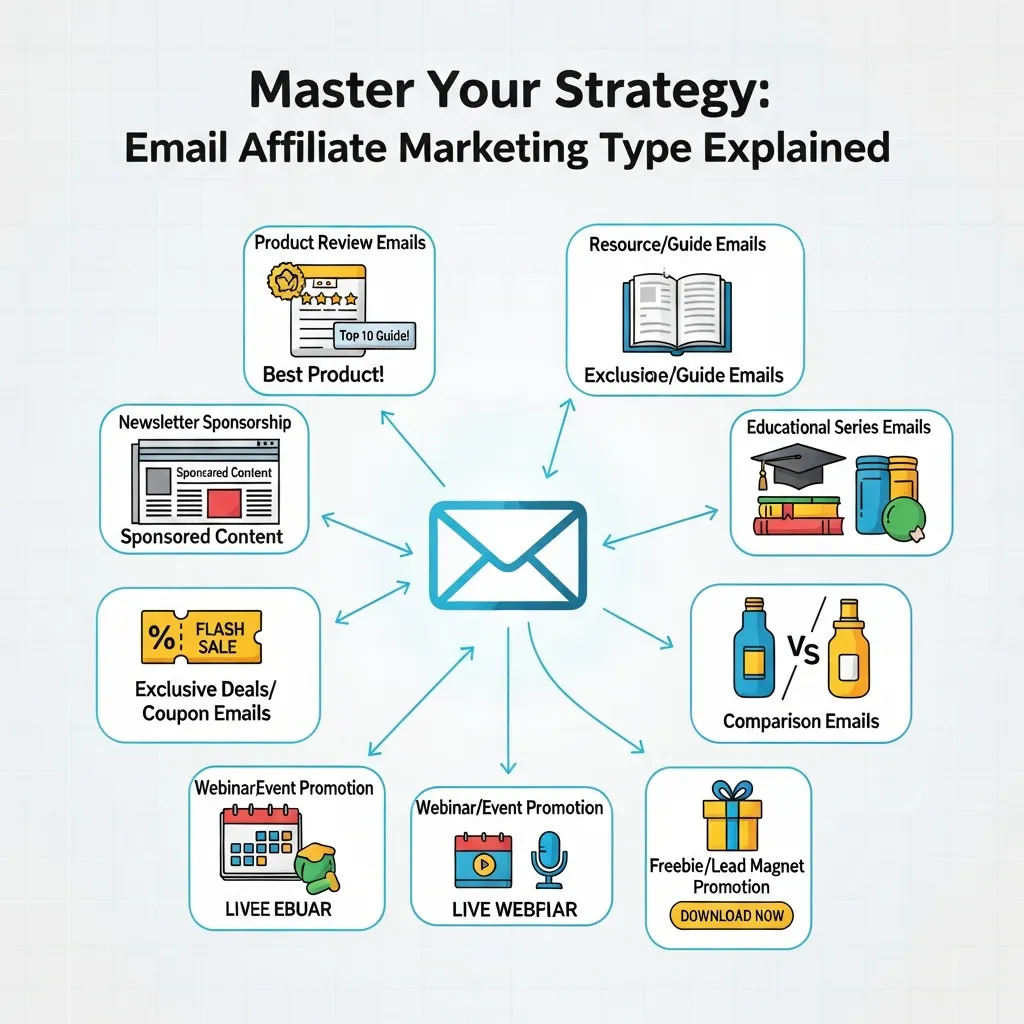
To keep your audience engaged, you must vary your approach. Here is every major email affiliate marketing type explained so you can choose the right format for your audience.
Product Review Emails
People often look for guidance before spending their money. A well-crafted review helps subscribers make informed purchasing decisions.
How to create compelling reviews
Focus on honesty. Discuss both the pros and the cons of the product. Share your personal experience and explain exactly how the product solved a specific problem for you.
Best practices for product selection
Only promote products you have actually used or thoroughly researched. Align the product with your audience’s core interests to maintain high engagement rates.
Example
If your list focuses on beauty, write a detailed review comparing two popular skincare serums, highlighting the ingredients, the results after two weeks, and providing your affiliate link for the winner.
Resource/Guide Emails
These emails focus heavily on education rather than direct selling.
Offering value through educational content
Teach your audience how to achieve a specific goal. By providing actionable advice, you position yourself as an authority in your niche.
Integrating affiliate links naturally
As you explain the steps to achieve the goal, mention the tools required to get the job done. The affiliate link becomes a helpful resource rather than a pushy sales pitch.
Example
Send a “Beginner’s Guide to Starting a Podcast.” Within the steps, include affiliate links for your recommended microphone, hosting platform, and editing software.
Discount/Deal Alert Emails
Everyone loves saving money. Deal alerts are highly effective for driving quick conversions.
Capitalizing on urgency and savings
Highlight the financial benefit of acting quickly. Use countdown timers or mention limited stock to encourage immediate action.
Strategies for promoting limited-time offers
Keep the copy short and punchy. Make the discount code and the call-to-action button the most prominent elements of the email.
Example
During Black Friday, send a dedicated email detailing a 50% off flash sale for a popular software tool, emphasizing that the deal expires at midnight.
Newsletter/Curated Content Emails
Consistency builds trust. A regular newsletter keeps your brand top-of-mind.
Building long-term relationships with subscribers
Share industry updates, personal stories, and valuable tips on a weekly or monthly basis. This consistent communication fosters a loyal community.
Incorporating a mix of valuable content and affiliate links
Keep the content ratio heavy on value and light on promotion. Add a “Recommended Tools” section at the bottom of your newsletter.
Example
A weekly roundup of digital marketing news that includes an affiliate link to an SEO tool you used to achieve a recent traffic spike.
Personalized Email Sequences
Automation is where you can truly scale your efforts. Having this email affiliate marketing type explained can completely transform your revenue model.
The power of segmentation and personalization
Not all subscribers are the same. Group them based on their interests, purchase history, or how they joined your list. Personalized Email Sequences speak directly to a subscriber’s specific situation.
Triggered emails
Set up automated emails that trigger based on user actions. A welcome series introduces new subscribers to your best content and top affiliate recommendations.
How to tailor offers to specific audience segments
If a subscriber clicks on a link about dog training, trigger an automated sequence promoting a comprehensive dog training affiliate course.
Case Study/Success Story Emails
Stories sell better than statistics. Showing proof of a product’s effectiveness builds immediate credibility.
Demonstrating real-world results
Detail the exact steps someone took to go from a specific problem to a desired outcome using the affiliate product.
Building trust and credibility
Use actual numbers, screenshots, and quotes. When subscribers see real evidence, they feel much more comfortable clicking your link.
Example
An email titled “How Jane Grew Her Traffic by 200% in 30 Days,” detailing her strategy and linking to the keyword research tool she used.
Freebie/Lead Magnet Emails
Growing your list is just as important as selling to it. Freebies help you attract new potential buyers.
Using valuable free content to build an email list
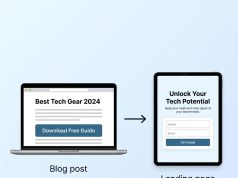
Offer a cheat sheet, template, or guide in exchange for an email address. This is the first step in most successful Affiliate Marketing Funnels.
Nurturing leads with subsequent affiliate offers
Once they download the freebie, send follow-up emails that provide additional value and eventually pitch a related affiliate product.
Example
Give away a free “Healthy Meal Prep Checklist.” In the follow-up email, promote an affiliate link for a premium meal delivery service.
Webinar/Event Promotion Emails
Live events generate excitement and high conversion rates.
Promoting affiliate webinars or online events
Partner with product creators who host educational webinars. Send emails inviting your list to register for the free training.
Driving sign-ups and attendance
Focus on what the subscriber will learn during the event. Send reminder emails on the day of the webinar to ensure high attendance.
Example
Invite your list to a free masterclass on real estate investing hosted by an affiliate partner, earning a commission if attendees purchase the course pitched at the end.
Key Elements of Successful Email Affiliate Marketing Campaigns
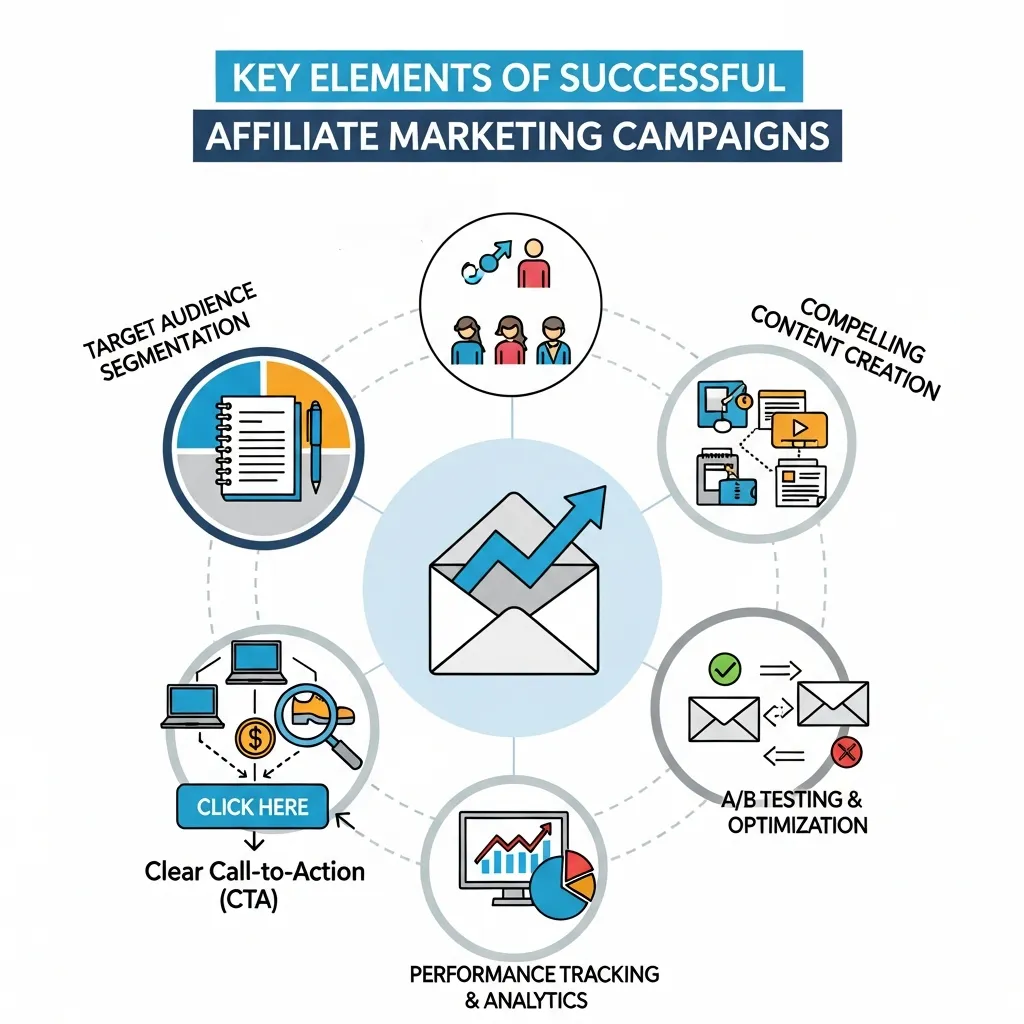
Understanding the types of emails is only half the battle. You also need to execute the technical and creative elements flawlessly.
Building a High-Quality Email List
Your campaigns will fail if your list is full of unengaged subscribers. Use opt-in forms and compelling lead magnets to attract your ideal audience. Ethical list building means always getting explicit permission to email people. Never buy email lists.
Crafting Engaging Subject Lines
The best email in the world is useless if no one opens it. Write subject lines that spark curiosity or promise a specific benefit. A/B test different variations to see what resonates best with your audience to improve your open rates over time.
Writing Persuasive Email Copy
Address your audience’s pain points directly. Show empathy and explain how the affiliate product provides the solution. Ensure your call to action is clear, bold, and tells the reader exactly what to do next.
Designing Effective Email Layouts
Most people read emails on their phones. Ensure your layouts are mobile-responsive. Use plenty of white space, clear fonts, and visually appealing branding to make reading a pleasant experience.
Tracking and Analytics
Monitor your performance metrics diligently. Track open rates, click-through rates, and actual conversions. Use this data to optimize future campaigns, cutting out what does not work and doubling down on what does.
Integrating Email Marketing into Your Affiliate Marketing Funnels
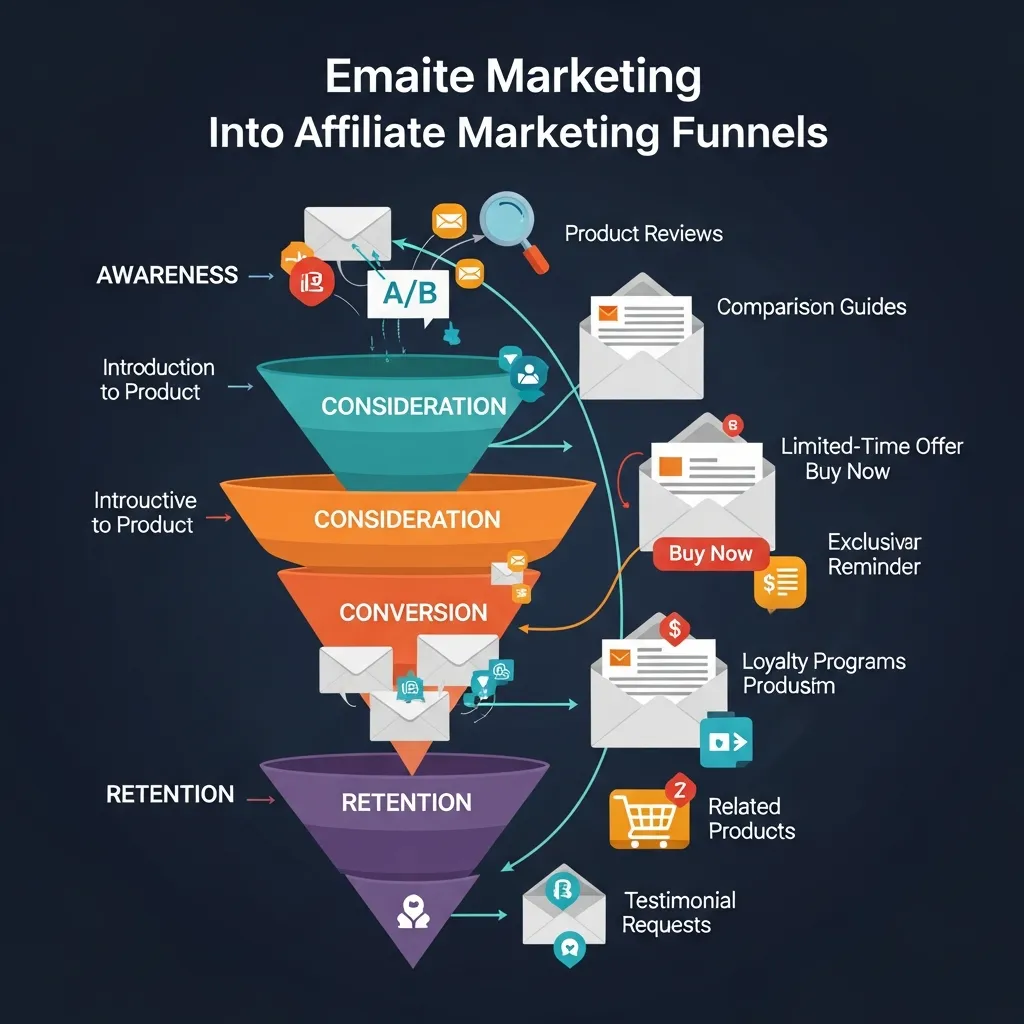
An isolated email rarely maximizes revenue. You need to map the entire customer journey. Strategically place different emails at different stages of your Affiliate Marketing Funnels.
Start by nurturing leads from the awareness stage with educational content. As they become more engaged, transition to product reviews and case studies. Finally, move to the conversion stage with deal alerts and strong calls to action. Having every email affiliate marketing type explained helps you place the right message at the perfect moment in the funnel.
Best Practices for Email Affiliate Marketing
Protect your reputation and your business by adhering to industry standards.
Disclosure and Transparency
Always disclose your affiliate relationships. A simple sentence stating that you may earn a commission if they click a link builds trust and keeps you legally compliant.
Compliance with Regulations
Follow the rules outlined in regulations like CAN-SPAM and GDPR. Always include a physical mailing address and an easy way to unsubscribe at the bottom of every email.
Avoiding Spam Filters
Avoid using overly promotional language, excessive exclamation points, or all-caps in your subject lines. Keep your list clean by regularly removing inactive subscribers.
Continuous Testing and Optimization
The digital landscape changes rapidly. Constantly test different send times, email formats, and affiliate products to keep your strategy sharp and effective.
Securing Your Success in the Inbox
We have thoroughly explored the landscape, getting every vital email affiliate marketing type explained. From nurturing new leads with educational guides to driving sales through targeted deal alerts, each format plays a critical role in your overall strategy.
Success in this space requires patience, ethical practices, and a commitment to providing real value. Start by evaluating your current Affiliate Marketing Funnels. Choose one new email type from this guide, draft a campaign tailored to your audience, and hit send. Monitor the results, tweak your approach, and watch your affiliate revenue grow.
Frequently Asked Questions
1. What is email affiliate marketing type?
It is the process of promoting third-party products or services to your email subscribers and earning a commission for any sales made through your unique tracking links.
2. Why is having the email affiliate marketing type explained important?
Understanding the different types allows you to diversify your content, preventing subscriber fatigue and increasing the chances of finding the right format that converts your specific audience.
3. How often should I send promotional emails?
Balance is key. A good rule of thumb is the 80/20 rule: provide pure value 80% of the time and send promotional affiliate offers 20% of the time.
4. What are Personalized Email Sequences?
These are automated series of emails tailored to a subscriber’s specific behavior, preferences, or entry point onto your list, resulting in much higher engagement rates.
5. Do I need a large list to make money?
No. A small, highly engaged list of targeted subscribers will generate more affiliate sales than a massive list of people who rarely open your emails.
6. What are Affiliate Marketing Funnels?
A funnel is the strategic step-by-step journey you guide a subscriber through, moving them from initial awareness of a problem to purchasing an affiliate solution.
7. How do I disclose my affiliate links?
Include a clear, conspicuous statement in your email indicating that you may earn a commission if the reader purchases through your links.
8. Can I put affiliate links directly in my emails?
Yes, most email service providers allow this. However, always check the specific terms of service for both your email platform and the affiliate program you are promoting.
9. What is the best email marketing software for affiliates?
Platforms like ConvertKit, AWeber, and GetResponse are generally very affiliate-friendly and offer robust automation features.
10. How do I prevent my emails from going to spam?
Ask subscribers to whitelist your email address, avoid spam trigger words, maintain a healthy text-to-image ratio, and consistently clean your list of inactive users.
11. Should I buy an email list to get started quickly?
Never buy an email list. These lists perform poorly, violate spam laws, and will likely get your email marketing account banned.
12. How long does it take to see results?
Building trust takes time. Focus on consistently delivering value, and you will typically start seeing reliable affiliate conversions within a few months of active list building and emailing.