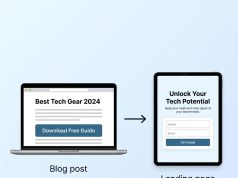
Understanding the advantages and disadvantages of affiliate marketing is essential before launching your digital business. This performance-based strategy allows creators to earn commissions by promoting products. While it offers low startup costs, high flexibility, and passive income potential, it also comes with high competition, income instability, and a lack of control over the products sold.
If you have ever wondered how online creators monetize their content, you have likely stumbled upon affiliate links. From beauty bloggers reviewing skincare routines to tech gurus unboxing the newest gadgets, performance-based marketing is everywhere. For many aspiring entrepreneurs, it looks like the ultimate dream—making money simply by recommending products you already love.
However, running a profitable online business is rarely as effortless as a five-minute video makes it seem. To build a sustainable revenue stream, you need a clear understanding of the advantages and disadvantages of affiliate marketing. It takes strategy, patience, and a deep understanding of your audience to turn casual clicks into reliable commissions.
By taking the time to weigh the advantages and disadvantages of affiliate marketing, you can set realistic expectations. This blog post breaks down everything you need to know to get started. We will cover the core principles of the industry, explore different compensation models, and share actionable tips to help you succeed.
What is Affiliate Marketing?

When learning how to monetize a website or social media channel, one of the first questions people ask is, “What is Affiliate Marketing?” At its core, this is a revenue-sharing model where individuals earn a commission by promoting someone else’s product or service. You find a product you like, promote it to your audience, and earn a piece of the profit for each sale that you make.
Definition and Basic Principles
The basic principle relies on performance. Brands want to sell more products, and publishers want to monetize their traffic. Through specific tracking links, brands can see exactly which publisher sent a buying customer their way. When a purchase is verified, the publisher receives a predetermined cut of the sale. Understanding what is affiliate marketing helps clarify why it is so popular: it creates a mutually beneficial relationship for everyone involved.
Key Players in Affiliate Marketing
The ecosystem relies on three main players:
- The Merchant (or Creator/Seller): The company or individual who created the product.
- The Affiliate (or Publisher): The person promoting the product to potential buyers.
- The Consumer: The person who clicks the link and makes a purchase.
Some models also include an Affiliate Network, which acts as a middleman managing the tracking, reporting, and payments between the merchant and the affiliate.
Advantages of Affiliate Marketing
When looking at the advantages and disadvantages of affiliate marketing, the benefits often stand out first. It offers an incredibly accessible entry point for new entrepreneurs. Here are the main benefits of choosing this business model.
Low Startup Costs and Risk
Starting a traditional business requires significant capital for inventory, employees, and retail space. One of the biggest advantages and disadvantages of affiliate marketing debates highlights how cheap it is to start. You simply need a computer and an internet connection. If a specific campaign does not work, you lose a little time rather than thousands of dollars in unsold stock.
Flexibility and Independence
You are your own boss. You can work from anywhere, choose your own hours, and decide exactly which products you want to promote. This level of independence allows you to build a business that fits your lifestyle.
Scalability and Passive Income Potential
Once you create high-quality content—like a blog post or a YouTube video—that content can continue to generate traffic and clicks for months or even years. You can scale your income by creating more content and targeting new keywords without having to hire customer service staff or rent warehouse space.
No Need for Product Creation
Developing a product from scratch takes time, money, and expertise. You bypass the product creation phase entirely. You do not have to worry about manufacturing, shipping, or customer support. Your only job is to connect buyers with sellers.
Wide Range of Niches and Products
Whether you are passionate about personal finance, pet care, or fitness equipment, there is a program for you. This wide variety allows you to align your promotional efforts with your genuine interests, making the content creation process much more enjoyable.
Disadvantages of Affiliate Marketing
To fully grasp the advantages and disadvantages of affiliate marketing, you must look at the potential downsides. It is not a get-rich-quick scheme, and understanding these hurdles will help you prepare for the journey ahead.
Income Instability and Dependency
Your income relies entirely on your ability to drive traffic and generate sales. If an algorithm update drops your website’s search ranking, your traffic—and your revenue—can disappear overnight. This income instability is a major factor when weighing the advantages and disadvantages of affiliate marketing.
High Competition
Because it is so easy to start, the market is crowded. You are competing with thousands of other creators for the same audience’s attention. Standing out requires exceptional content, strong SEO skills, and a unique perspective.
Lack of Control Over Products/Services
You do not control the quality of the product, the fulfillment process, or the customer service. If the merchant delivers a poor experience, the customer will likely blame you for recommending it. This lack of control requires you to vet your partners carefully.
Commission-Based Pay
You only get paid when you deliver results. You could spend forty hours writing a comprehensive review guide, but if nobody buys through your link, you earn nothing for that time.
Requires Consistent Effort and Patience
Many beginners quit because they expect immediate results. Building an audience, ranking in search engines, and establishing trust takes months of consistent effort. You must be willing to work for free initially before seeing a return on your investment.
Potential for Brand Dilution
If you promote too many unrelated products, your audience might view you as a salesperson rather than a trusted resource. Promoting low-quality items just for a high commission can permanently damage your reputation and dilute your personal brand.
Affiliate Marketing Models
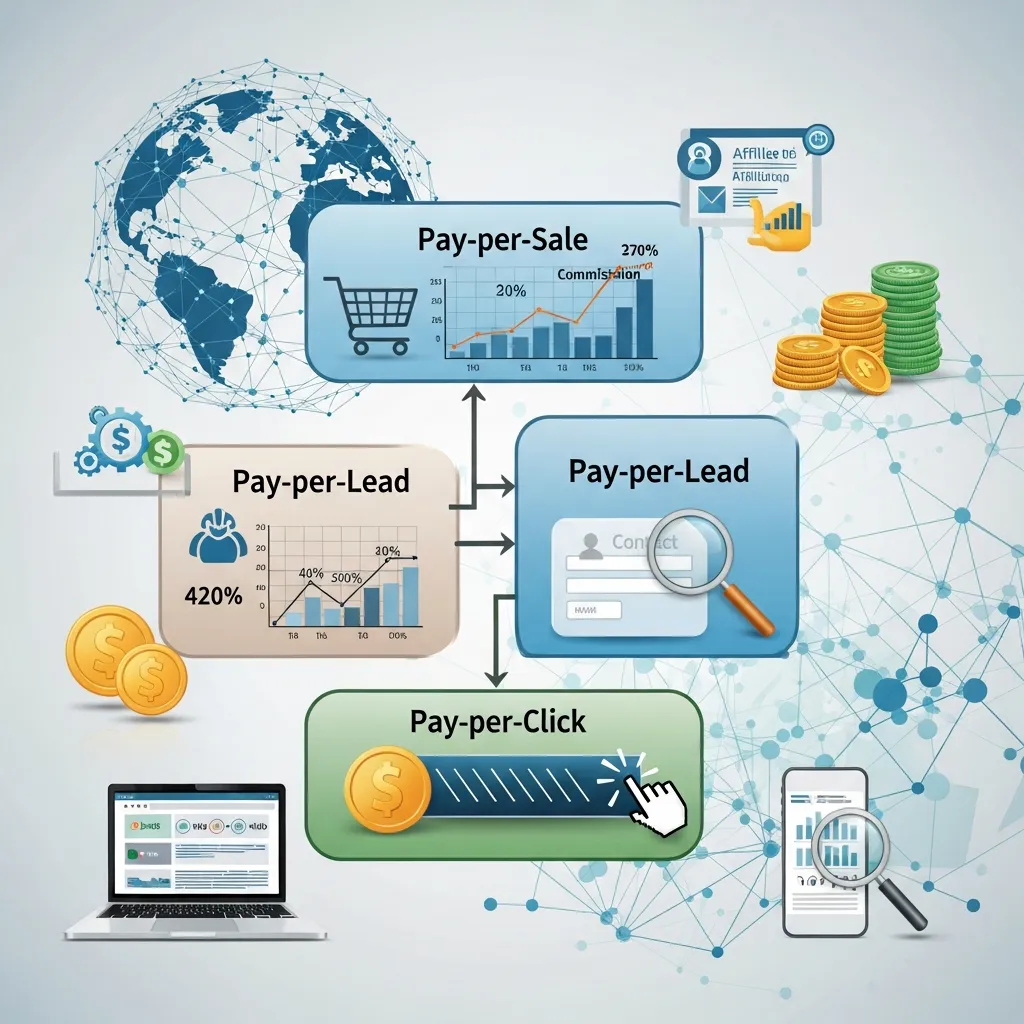
Understanding the different Affiliate Marketing Models will help you choose the right programs for your traffic source. Different merchants use different payment structures depending on their goals.
Pay-Per-Sale
This is the most common model. The merchant pays a percentage of the sale price when a consumer purchases an item through your link. It usually offers the highest payouts but requires the most effort, as the user must actually spend money.
Pay-Per-Lead
Under this model, you are compensated for generating leads. You earn a commission when a user completes a specific action, such as signing up for a newsletter, downloading a trial software, or filling out a contact form. Since the consumer does not have to buy anything, conversion rates are often higher.
Pay-Per-Click
This model pays you based on the number of visitors you redirect to the merchant’s website, regardless of whether they make a purchase or sign up for a lead. It is less common for individual products but is frequently used by large display networks.
How to Succeed in Affiliate Marketing
Understanding the Advantages and Disadvantages of Affiliate Marketing is only the first step toward building a successful online business. Once you know the potential benefits like low startup costs and scalability, as well as challenges like competition and income instability, the next step is execution. Success comes from having a clear strategy, patience, and consistent improvement over time.
Choosing the Right Niche
Selecting the right niche is one of the most important decisions in affiliate marketing. It should balance your personal interest with strong market demand. If you choose a topic you are not passionate about, it becomes difficult to stay consistent with content creation. At the same time, your niche should have enough audience demand and quality products with good commission opportunities. A strong niche choice makes it easier to grow and fully benefit from the Advantages and Disadvantages of Affiliate Marketing in a strategic way.
Building a Strong Audience
Your audience is the foundation of your affiliate business. Trust is what turns visitors into buyers. Focus on creating valuable, informative, and engaging content through blogs, email marketing, or social media platforms. Instead of always selling, aim to help and educate your audience. When people trust your recommendations, they are more likely to click your links and purchase through them, helping you maximize the advantages while minimizing the disadvantages of affiliate marketing.
Promoting High-Quality Products
Your reputation is everything in affiliate marketing. Promoting low-quality products just for quick commissions can destroy trust and long-term income potential. Always choose products you believe in or have personally tested. Working with reliable brands ensures better customer satisfaction, which strengthens your credibility as an affiliate marketer and helps you make the most of the Advantages and Disadvantages of Affiliate Marketing in a sustainable way.
Diversifying Income Streams
One of the key lessons from the Advantages and Disadvantages of Affiliate Marketing is income stability. Since earnings can fluctuate, relying on a single product or platform is risky. Instead, promote multiple products across different affiliate networks and use various traffic sources such as SEO, social media, and email marketing. This diversification reduces risk and creates a more stable and scalable income stream.
Staying Updated with Trends
The digital marketing world changes quickly. Search engine updates, social media algorithm changes, and shifting consumer behavior can all impact your results. Staying updated with industry trends, SEO strategies, and content marketing techniques is essential for long-term success. By adapting continuously, you can stay ahead of competition and fully leverage the Advantages and Disadvantages of Affiliate Marketing to grow your business effectively.
Making Your Next Move in Digital Marketing

Analyzing the advantages and disadvantages of affiliate marketing is the best way to determine if this business model suits your goals. It provides a phenomenal opportunity to generate income with very little financial risk, offering unparalleled flexibility and scalability. However, it requires significant patience, strategy, and resilience to navigate high competition and unpredictable income. By choosing the right niche, building trust with your audience, and diversifying your affiliate marketing models, you can minimize the risks and maximize your earning potential. Start small, focus on providing value, and watch your digital business grow.
Frequently Asked Questions
1. What exactly is affiliate marketing?
It is a performance-based marketing system where you earn a commission by promoting another company’s products or services to your audience.
2. How much does it cost to start?
One of the main advantages is the low cost. You only need to pay for basic tools like web hosting and a domain name, which can cost less than a few dollars a month.
3. Do I need a website to be an affiliate?
No. While a website is highly recommended for long-term SEO traffic, you can also promote links on social media platforms like YouTube, Instagram, or TikTok.
4. How do I get paid?
Payments are typically processed by the merchant or network via PayPal, direct bank transfer, or check, usually on a monthly basis after reaching a minimum threshold.
5. How long does it take to see results?
It varies widely, but most creators take several months to a year of consistent content creation before seeing significant, reliable income.
6. What are the best niches for beginners?
Health and wellness, personal finance, software and technology, and hobbies are generally strong niches due to high demand and lucrative commission structures.
7. Can I do this part-time?
Yes. The flexibility of this business model allows you to build your content around a full-time job or other commitments.
8. What are the most common affiliate marketing models?
The three primary compensation structures are pay-per-sale, pay-per-lead, and pay-per-click.
9. Are there any risks involved?
The financial risks are low. The main risks involve spending time creating content that fails to rank or convert, and the potential of brand dilution if you promote poor products.
10. How do I find products to promote?
You can join major networks like Amazon Associates, ShareASale, or Impact, or search for individual companies that run their own in-house partner programs.
11. Is the market too saturated?
While competition is high, there is always room for creators who provide unique, high-quality, and authentic content to a specific target audience.
12. Why is understanding the advantages and disadvantages of affiliate marketing important?
It helps you set realistic expectations, prepare for challenges like income instability, and leverage benefits like scalability to build a robust business plan.