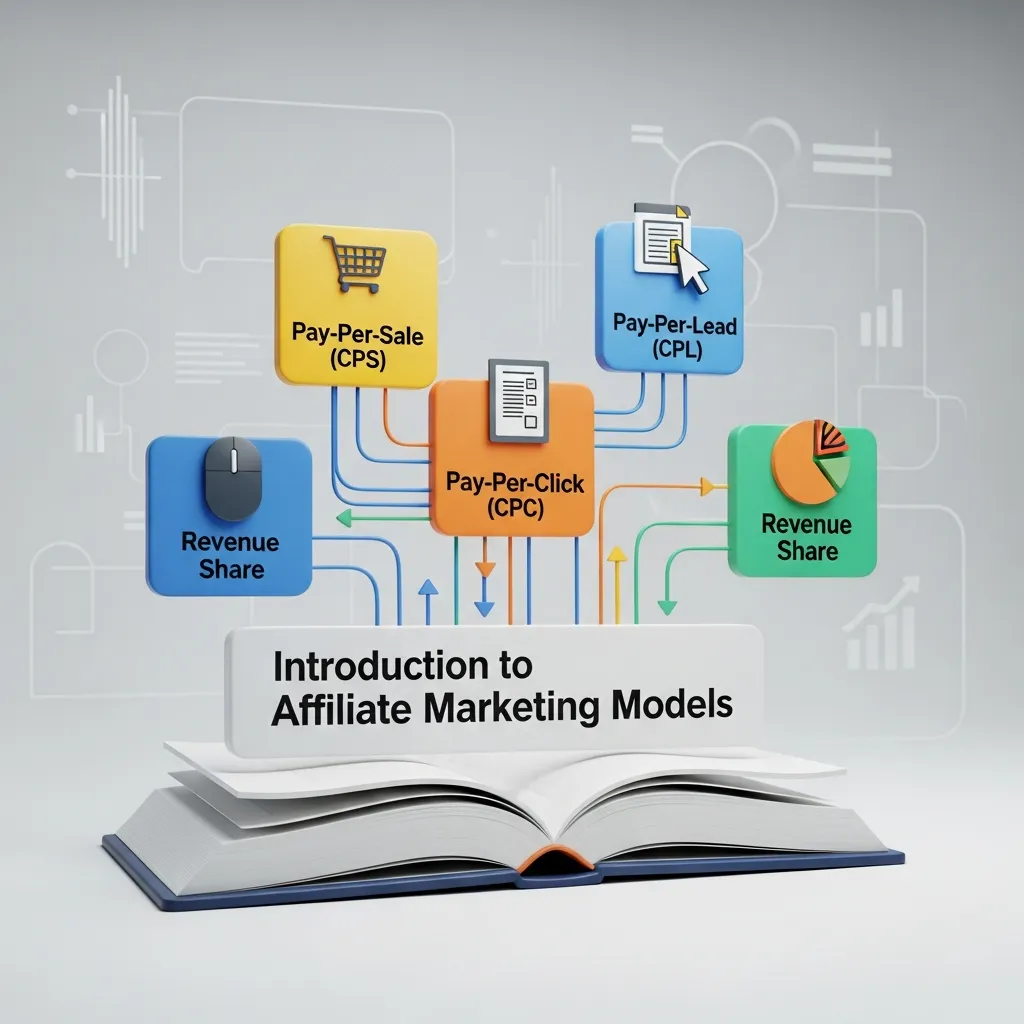
Understanding the digital marketplace requires a solid grasp of how businesses partner with creators and publishers to drive growth. At the core of these partnerships are various affiliate marketing models. These frameworks determine how affiliates are compensated for the traffic, leads, or sales they generate for a merchant. Choosing the correct approach can significantly impact your campaign’s profitability and overall success.
Every business has unique goals. A software company might prioritize free trial sign-ups, while an e-commerce store needs immediate purchases. Because these objectives vary, the industry relies on several different affiliate marketing models to align the interests of both the merchant and the affiliate. By understanding the mechanics behind these systems, you can tailor your marketing strategy to maximize returns and build sustainable, long-term partnerships.
Throughout this comprehensive guide, we will explore the fundamental affiliate marketing models that power today’s digital economy. We will break down the mechanics, benefits, and drawbacks of cost per action (CPA), cost per sale (CPS), cost per lead (CPL), and cost per click (CPC). By the end of this resource, you will have the knowledge needed to select and optimize the best affiliate marketing models for your specific business goals.
Introduction to Affiliate Marketing Models

What is Affiliate Marketing?
Affiliate marketing is a performance-based marketing strategy where a business rewards one or more affiliates for each visitor or customer brought by the affiliate’s own marketing efforts. Essentially, it is a revenue-sharing ecosystem. Merchants provide products or services, affiliates promote them to their audience, and consumers make a purchase or complete a desired action. The affiliate then earns a commission based on the specific rules of the partnership.
Why Affiliate Marketing Models Matter
The rules governing these partnerships are defined by specific affiliate marketing models. These models matter because they dictate the risk and reward balance for both parties. If a merchant pays for clicks that never convert into sales, they lose money. Conversely, if an affiliate sends thousands of highly qualified leads but only gets paid for a final sale that a merchant fails to close, the affiliate suffers. Selecting appropriate affiliate marketing models ensures a fair, profitable arrangement that motivates partners to perform at their best.
Overview of Key Models
There is no single approach to rewarding affiliates. The landscape features several distinct affiliate marketing models, each tailored to different stages of the customer journey. The most prominent models include cost per action (CPA), cost per sale (CPS), cost per lead (CPL), and cost per click (CPC). Understanding the nuances of these frameworks is the first step toward building a highly effective affiliate program.
Deep Dive into Cost Per Action (CPA)
Defining CPA
Cost per action (CPA) is one of the most versatile affiliate marketing models available. In this structure, the merchant pays a commission only when a user takes a specific, predefined action. This action does not necessarily have to be a purchase; it could be filling out a form, signing up for a trial, downloading an app, or requesting a quote.
How CPA Works
When an affiliate joins a CPA program, they receive unique tracking links. They place these links on their blog, social media channels, or email newsletters. When a user clicks the link, lands on the merchant’s site, and completes the specified action, the tracking software records the event. The affiliate is then credited with the agreed-upon commission. Because the definition of an “action” is flexible, merchants can perfectly align their payouts with their most valuable conversion metrics.
Advantages and Disadvantages
The primary advantage of the CPA model for merchants is risk mitigation. They only pay when a desired outcome occurs, protecting their advertising budget from wasted clicks. For affiliates, CPA offers the opportunity to earn commissions without forcing their audience to spend money, which often results in higher conversion rates. A disadvantage is that tracking these actions can sometimes be technically complex. Furthermore, affiliates may face strict approval processes to join high-paying CPA networks to ensure they provide high-quality traffic.
Real-world Examples of CPA
A popular mobile gaming company might use a CPA model to acquire new users. They offer affiliates $2.00 for every user who downloads the game and completes the tutorial level. The “action” is the completion of the tutorial. Another example is a financial services company offering a $10 CPA for users who successfully request a free credit score check.
Understanding Cost Per Sale (CPS)
Defining CPS and its Relationship to Pay-Per-Sale (PPS)
Cost per sale (CPS), frequently referred to interchangeably with Pay-Per-Sale (PPS), is the most traditional of all affiliate marketing models. Under the CPS or Pay-Per-Sale (PPS) model, the merchant pays the affiliate a percentage of the total purchase price (or a flat fee) only after a customer successfully buys a product or service.
Mechanics of CPS Programs
In a CPS system, the affiliate acts as a direct salesperson. They use their content, reviews, or promotional tactics to convince a user to buy. Once the user clicks the affiliate link and completes the checkout process, the sale is recorded. The merchant usually holds the commission for a brief period—often 30 days—to account for potential returns or refunds. Once the holding period clears, the affiliate receives their payout.
Benefits and Drawbacks
For merchants, CPS represents the lowest possible financial risk among affiliate marketing models. They only part with their money when revenue is actively generated. This makes it highly attractive for e-commerce brands. For affiliates, CPS programs often offer the highest payout amounts per conversion. However, the drawback for affiliates is the difficulty of closing a sale. Getting a user to part with their hard-earned money requires deep trust, highly targeted traffic, and exceptional marketing skills.
Case Studies for CPS
The Amazon Associates program is a classic example of a CPS framework. Affiliates link to physical products like cameras, books, or kitchen appliances. If a user clicks the link and buys the item within 24 hours, the affiliate earns a percentage of the sale. Another example involves high-ticket digital courses, where a creator might offer a 50% commission for a $1,000 course, resulting in a substantial $500 payout per sale under the Pay-Per-Sale (PPS) model.
Exploring Cost Per Lead (CPL)
Defining CPL and its Relationship to Pay-Per-Lead (PPL)
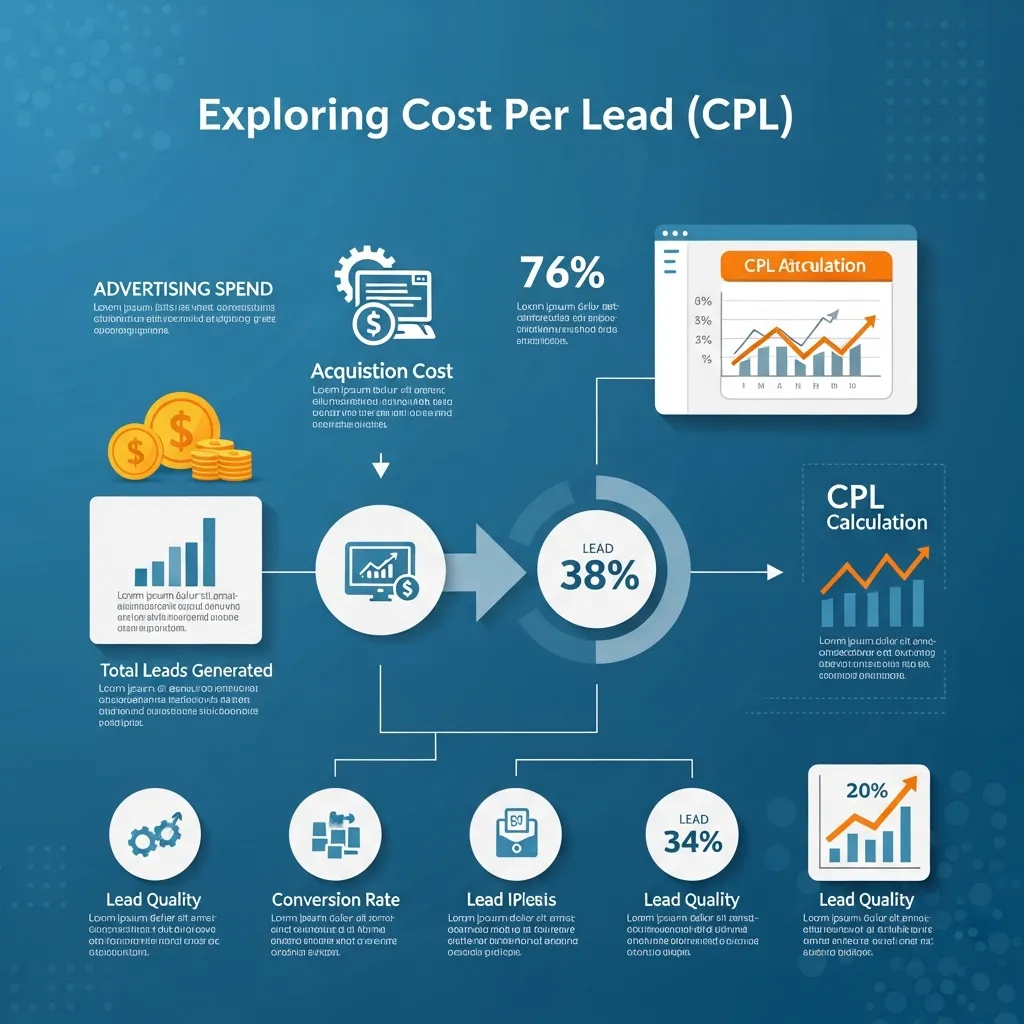
Cost per lead (CPL), which operates identically to Pay-Per-Lead (PPL), rewards affiliates for generating qualified leads rather than direct sales. A lead is typically defined as a user providing their contact information, such as an email address, phone number, or physical address, expressing interest in the merchant’s offering.
How CPL is Implemented
Merchants implementing a CPL or Pay-Per-Lead (PPL) model provide affiliates with links directing traffic to targeted landing pages. These pages feature opt-in forms. When a visitor fills out and submits the form, the affiliate earns a set commission. The merchant’s internal sales team then takes over, working to nurture that lead and eventually convert them into a paying customer.
Pros and Cons of CPL
The CPL model strikes a balance between user commitment and affiliate reward. Because users do not have to spend money, conversion rates are generally much higher than in CPS programs. Affiliates enjoy steady income streams, while merchants build their databases with interested prospects. The main drawback for merchants is lead quality. If an affiliate uses deceptive tactics to generate cheap, uninterested leads, the merchant pays for contact information that will never convert into sales.
Examples of Successful CPL Campaigns
Insurance companies heavily utilize CPL affiliate marketing models. An insurance provider might pay an affiliate $15 for every user who fills out a form requesting a life insurance quote. Similarly, a B2B software company might offer a Pay-Per-Lead (PPL) commission of $50 when a corporate decision-maker registers for an upcoming product webinar.
The Basics of Cost Per Click (CPC)
Defining CPC and its Relationship to Pay-Per-Click (PPC)
Cost per click (CPC) is an affiliate structure where the merchant pays the affiliate for every click generated on a specific link or banner ad. This model is synonymous with Pay-Per-Click (PPC) advertising principles. Unlike CPA, CPS, or CPL, the CPC model compensates the affiliate simply for driving traffic, regardless of what the user does after arriving at the merchant’s site.
How CPC Operates
Affiliates place merchant banners or text links prominently on their websites. Every time a visitor clicks on one of these links, the affiliate earns a small fee—often ranging from a few cents to a few dollars, depending on the niche. The merchant assumes the responsibility of converting that raw traffic into leads or sales once the user lands on their webpage.
Advantages and Limitations
For affiliates, CPC or Pay-Per-Click (PPC) models offer a highly predictable and straightforward way to monetize high-traffic websites. They do not have to worry about the merchant’s sales funnel or checkout process. However, for merchants, CPC carries a high degree of risk. They pay for the traffic upfront, which may bounce immediately without generating any ROI. Furthermore, CPC models are highly susceptible to click fraud, where bots or bad actors generate fake clicks to inflate affiliate commissions.
When to Use CPC
Merchants typically use CPC models when brand awareness is the primary goal, or when they are highly confident in their landing page’s ability to convert raw traffic. Affiliates with broad, high-volume audiences—such as news aggregators or entertainment blogs—find CPC models highly lucrative, as they can rely on the sheer volume of visitors to generate steady revenue.
Choosing the Right Affiliate Marketing Model
Factors to Consider
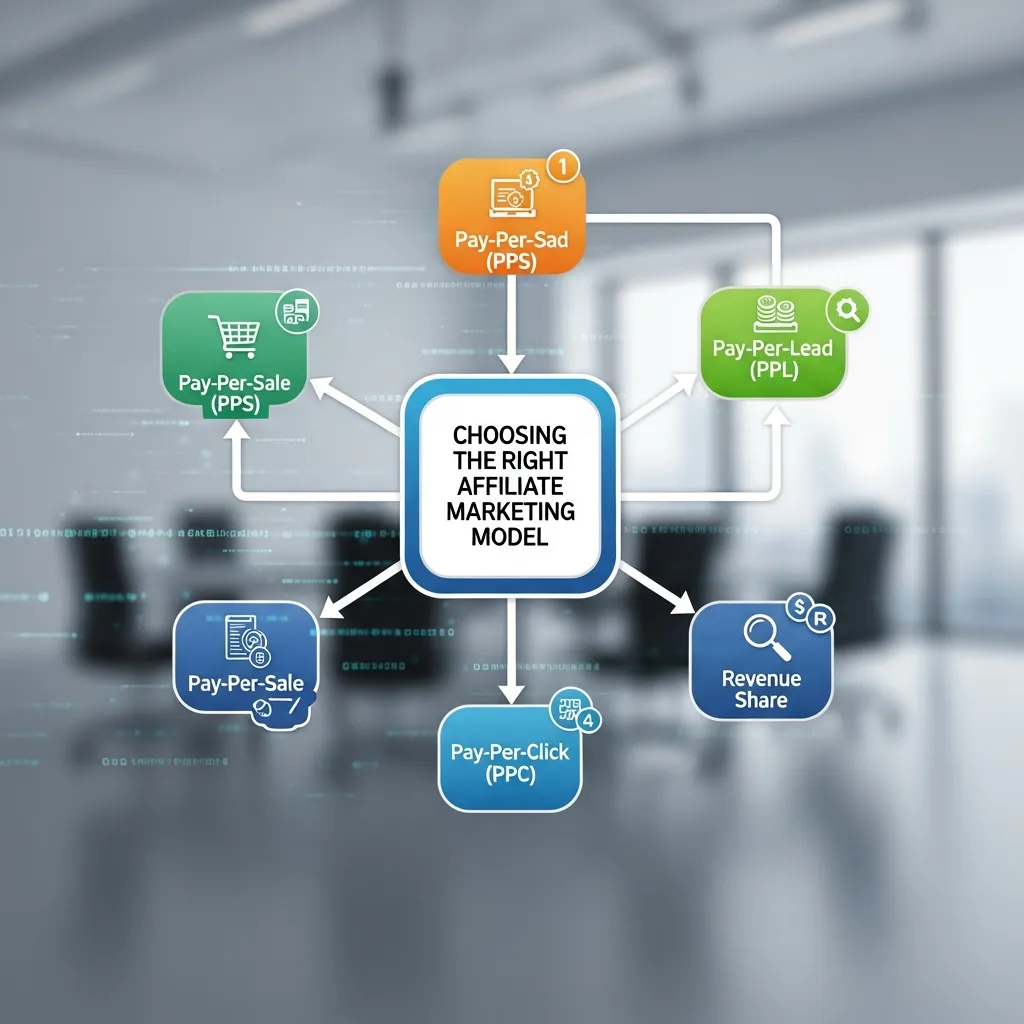
Selecting the optimal choice among these affiliate marketing models depends heavily on your product type, target audience, and business goals. If you sell expensive physical goods, a CPS model protects your margins. If you run a service-based business that relies on sales calls, a CPL model ensures your pipeline stays full. Affiliates must also consider their audience’s intent. An audience looking for free information might engage well with CPL or CPA offers, whereas an audience reading deep product reviews is primed for CPS links.
A Comparative Analysis of Models
Comparing these affiliate marketing models reveals a clear spectrum of risk and reward. CPC offers the lowest barrier to conversion for affiliates but carries the highest risk for merchants. CPA and CPL sit in the middle, offering fair payouts for specific, valuable actions without requiring an immediate financial transaction from the user. CPS represents the highest hurdle for affiliates to clear, but it eliminates risk for merchants and provides the largest single payouts.
Hybrid Models and Custom Solutions
Many successful affiliate programs do not rely on just one framework. They use hybrid affiliate marketing models to maximize performance. A merchant might offer a small CPC payout to encourage affiliates to drive volume, combined with a larger CPS commission on the back end to reward actual sales. This hybrid approach keeps affiliates motivated while ensuring the merchant pays primarily for tangible results.
Optimizing Your Affiliate Marketing Strategy
Tracking and Analytics
Success with any of these affiliate marketing models requires robust tracking and analytics. Merchants and affiliates must use reliable software to monitor clicks, leads, and sales in real-time. Analyzing this data highlights which campaigns perform best, allowing both parties to allocate their resources efficiently. Without accurate data, you are flying blind.
Partner Selection and Relationship Management
The effectiveness of your chosen affiliate marketing models relies entirely on the quality of your partners. Merchants should carefully vet affiliates to ensure their traffic is legitimate and their promotional methods align with brand values. Regular communication, providing high-quality marketing assets, and paying commissions on time build strong, long-lasting relationships that drive sustained growth.
Conversion Rate Optimization
Whether you use CPA, CPS, CPL, or CPC, optimizing your conversion rates is essential. Merchants must continuously test their landing pages, checkout flows, and calls to action. A small increase in a landing page’s conversion rate drastically increases the overall profitability of the affiliate program, making it far more attractive for high-tier affiliates to promote.
Maximizing Future Growth

Recap of Affiliate Marketing Models
We have examined the core frameworks that drive performance marketing. The cost per action (CPA) model rewards specific user behaviors. Cost per sale (CPS) and Pay-Per-Sale (PPS) ensure merchants only pay for actual revenue. Cost per lead (CPL) and Pay-Per-Lead (PPL) focus on building prospective customer lists. Finally, cost per click (CPC) and Pay-Per-Click (PPC) drive volume and brand awareness by compensating affiliates purely for traffic.
The Future of Affiliate Marketing
As consumer privacy laws tighten and third-party cookies phase out, the technology tracking these affiliate marketing models will evolve. We will likely see a stronger emphasis on first-party data and deeper integrations between merchants and highly trusted, niche creators. Hybrid models will become more prevalent as businesses seek creative ways to fairly compensate their partners in a changing digital landscape.
Another more : Best Niches for Affiliate Blog Success
Final Thoughts
Choosing the best affiliate marketing models requires a deep understanding of your business objectives and your audience’s behavior. By testing different frameworks, analyzing the data, and fostering strong partnerships, both merchants and affiliates can build highly profitable, sustainable revenue streams. Evaluate your current strategy today and consider testing a new model to unlock your program’s full potential.
Frequently Asked Questions (FAQs)
What is the most profitable affiliate marketing model?
The profitability of affiliate marketing models depends entirely on your traffic quality and niche. Cost per sale (CPS) often yields the highest individual payouts, making it highly profitable for affiliates with targeted, high-intent traffic. However, cost per lead (CPL) can be more profitable for affiliates with broader audiences that hesitate to make immediate purchases.
How do I choose between CPA, CPS, and CPL?
Choose based on your audience’s intent and your product. If you have an audience ready to buy, CPS is excellent. If your audience is looking for free resources or quotes, CPL works best. If you want to promote specific behaviors like app downloads or free trial sign-ups, choose CPA.
What’s the difference between CPC and PPC?
Cost per click (CPC) and Pay-Per-Click (PPC) operate on the same principle: payment is issued based on clicks. PPC is generally used as a broad term for the advertising model (like Google Ads), while CPC is the specific metric or affiliate model dictating the exact price paid per individual click.
Can I combine different affiliate marketing models?
Yes. Many businesses use hybrid affiliate marketing models. For example, a merchant might pay a low cost per lead (CPL) for an initial email sign-up, and then offer a secondary cost per sale (CPS) commission if that lead eventually buys a product.
What are the common challenges in affiliate marketing?
Common challenges include finding reliable partners, preventing affiliate fraud (especially in CPC and CPL models), maintaining accurate tracking technology, and managing cash flow to ensure affiliates are paid on time.
How do affiliates get paid?
Affiliates get paid through the affiliate network or merchant platform hosting the program. Payments are usually processed via PayPal, direct bank transfer, or wire transfer on a net-30 or net-60 schedule, which allows merchants time to account for refunds.
Is affiliate marketing suitable for all businesses?
Affiliate marketing models work for most online businesses, but they are particularly effective for e-commerce stores, SaaS companies, and digital product creators. Businesses with incredibly thin profit margins may struggle to offer attractive enough commissions to recruit quality affiliates.
How do I track my affiliate marketing performance?
Performance is tracked using specialized affiliate software or networks. These platforms generate unique affiliate links, use cookies to track user behavior across the web, and provide comprehensive dashboards detailing clicks, conversions, and payouts.
What is a good commission rate for affiliates?
Commission rates vary wildly by industry and the affiliate marketing models used. Physical products on a CPS model might offer 3% to 10%, while digital products and software often offer 30% to 50% or higher, due to the lack of fulfillment costs.
Are there any legal considerations for affiliate marketing?
Yes. The most prominent legal consideration is disclosure. Affiliates are legally required by organizations like the FTC to clearly disclose their relationship with the merchant whenever they promote an affiliate link, ensuring consumers know the affiliate may earn a commission.
How can I find reliable affiliate partners?
Merchants can find reliable partners by joining established affiliate networks (like ShareASale or CJ Affiliate), attending industry conferences, running outreach campaigns to niche bloggers, and ensuring their program offers competitive payouts and strong support.
What tools are essential for affiliate marketing?
Essential tools include a reliable affiliate tracking platform (like Voluum or Post Affiliate Pro), an email marketing service, a strong website hosting provider, and analytics tools like Google Analytics to monitor traffic and conversion quality.