Are you looking for a reliable way to generate income online? Affiliate marketing has long been a favorite for digital entrepreneurs. By promoting products and earning a commission on sales, you can build a sustainable revenue stream. However, the platform you choose makes a massive difference in your results.
YouTube remains one of the most powerful platforms for content creators and marketers alike. People visit YouTube to learn, be entertained, and make purchasing decisions. When you combine this visual platform with a solid promotional plan, you unlock serious earning potential.
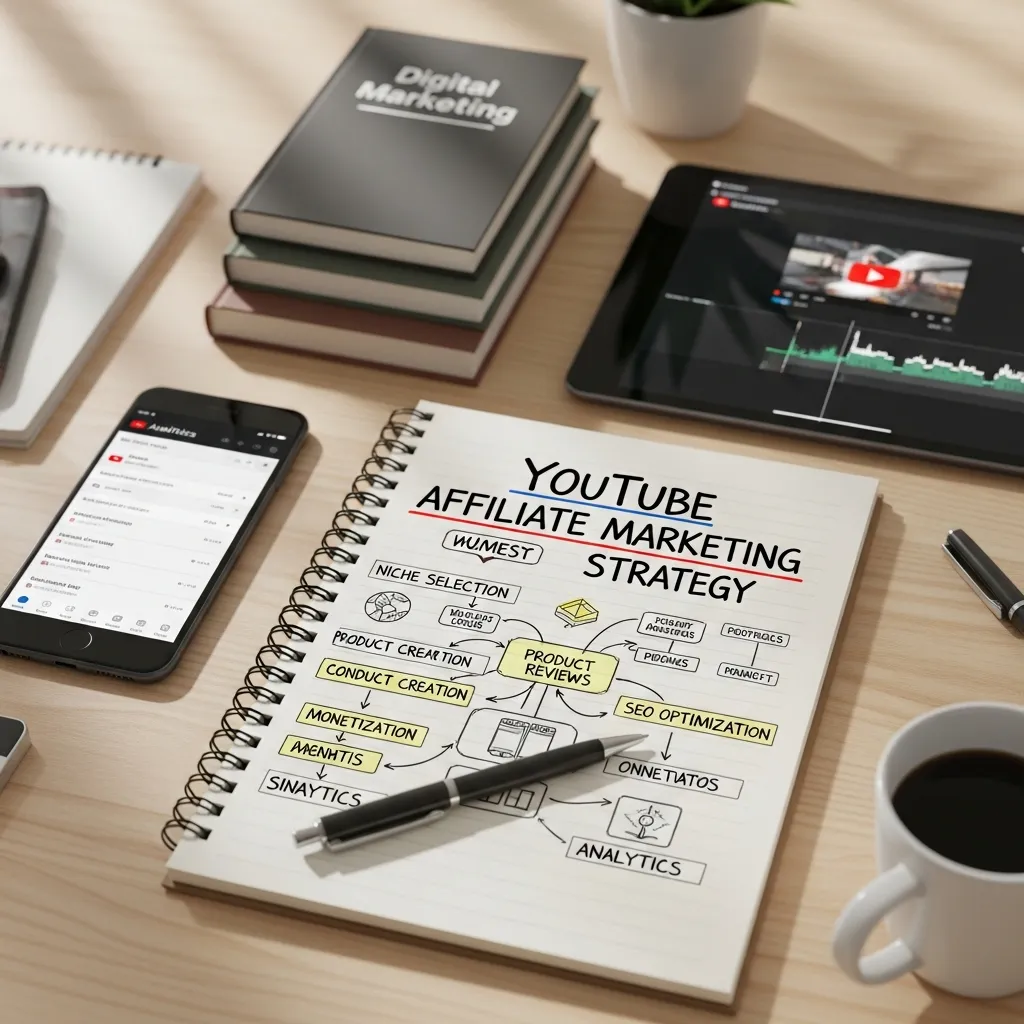
This comprehensive guide will show you how to develop an effective YouTube affiliate marketing strategy. You will learn how to set up your channel, optimize your videos, build trust with your audience, and scale your growth.
Setting Up Your YouTube Channel for Affiliate Success

Before you upload your first video, you need a solid foundation. Setting up your channel correctly ensures that your YouTube affiliate marketing strategy starts on the right foot.
Niche Selection and Target Audience
Success begins with choosing a specific niche. If you try to appeal to everyone, you will struggle to build a loyal audience. Identify a specific topic you are passionate about, such as tech reviews, fitness tutorials, or personal finance. Once you define your niche, research your target audience. Understand their pain points, preferences, and the types of products they buy.
Channel Optimization
Your channel needs to look professional. Create a compelling banner and logo that reflect your brand. Write a detailed “About” section that explains what your channel offers, naturally incorporating keywords related to your niche. Ensure your channel description clearly states the value viewers will get from subscribing.
Understanding YouTube Analytics
Familiarize yourself with YouTube Studio and its analytics dashboard. Knowing how to read metrics like watch time, click-through rate, and audience retention is vital. These numbers will guide your YouTube affiliate marketing strategy, showing you what works and what needs improvement.
Crafting a Winning YouTube Affiliate Marketing Strategy
Creating content without a plan is a waste of time. You need a deliberate approach to product promotion.
Product Selection and Research
Only promote products that align with your niche and provide genuine value to your audience. Research affiliate programs like Amazon Associates, ShareASale, or specific brand partnerships. Look for products with high commission rates, strong conversion histories, and excellent customer reviews.
Creating Engaging Content
The core of your YouTube affiliate marketing strategy is the content itself. Several video formats work exceptionally well for affiliate marketing:
- Reviews: Give an honest breakdown of a product’s pros and cons.
- Tutorials: Show viewers exactly how to use a product to solve a problem.
- Hauls: Showcase multiple products you recently purchased or received.
- Comparisons: Compare two competing products to help viewers make a choice.
Integrating Affiliate Links Naturally
Do not just drop links and hope for the best. Place your affiliate links in the top two lines of your video description so they are visible without clicking “Show More.” Pin a comment containing the links to the top of the comment section. You can also use YouTube end screens to direct viewers to other relevant affiliate videos.
Call to Action Optimization
Tell your viewers exactly what you want them to do. A clear call to action (CTA) significantly increases click-through rates. Verbally direct them to the links in your description and explain the benefit of using them, such as securing a discount.
Video SEO for YouTube: Maximizing Visibility
If nobody finds your videos, your YouTube affiliate marketing strategy will fail. Search engine optimization is critical for discovery.
Keyword Research for Video Titles and Descriptions
Use tools like TubeBuddy, VidIQ, or Google Keyword Planner to find search terms your audience uses. Craft compelling titles that include your target keywords. Write detailed video descriptions that naturally include these keywords while summarizing the video content.
Optimizing Video Tags and Categories
Tags help YouTube understand the context of your video. Use a mix of broad and specific tags related to your topic. Selecting the right category further categorizes your content, making it easier for the algorithm to serve it to the right viewers. This is a foundational element of Video SEO for YouTube.
Thumbnail Design for Click-Through Rates
Your thumbnail is your video’s billboard. Design bright, high-contrast thumbnails that grab attention. Use clear text overlays and expressive faces. A high click-through rate tells YouTube that people are interested in your content, boosting your rankings.
Leveraging Transcripts and Closed Captions
Upload accurate transcripts or use YouTube’s closed captioning feature. Search engines crawl this text, giving you another opportunity to rank for specific keywords. Captions also improve accessibility, keeping viewers engaged even if they are watching on mute.
Blog Affiliate Marketing Explained: Expanding Your Reach

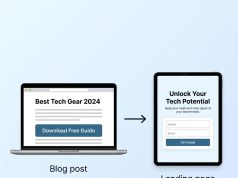
Relying solely on one platform can be risky. Combining video content with a written blog offers incredible synergy. To get a better grasp on this, having Blog Affiliate Marketing Explained helps clarify how these channels work together.
Synergizing YouTube with a Complementary Blog
A blog acts as a central hub for your brand. When you pair a YouTube channel with a blog, you capture audiences who prefer reading over watching. This dual approach strengthens your overall YouTube affiliate marketing strategy by diversifying your traffic sources.
Cross-Promotion Strategies
Use your YouTube videos to drive traffic to your blog, and use your blog to drive subscribers to your channel. Mention your blog in your videos and include links in the descriptions. On your blog, encourage readers to subscribe to your channel for visual guides and updates.
Embedding Videos in Blog Posts
Embedding your YouTube videos into relevant blog articles increases the time visitors spend on your page. This improved dwell time boosts your blog’s SEO while simultaneously increasing your video views and watch time.
Content Repurposing
Do not reinvent the wheel. Turn your video scripts into comprehensive blog posts. Extract short clips from your videos to share on social media platforms like Instagram or TikTok. Repurposing content maximizes your output with minimal extra effort.
Building Trust and Transparency
Your audience’s trust is your most valuable asset. If they do not trust you, they will not buy from your links.
Disclosure Requirements for Affiliate Links
The Federal Trade Commission (FTC) requires clear disclosures when you use affiliate links. You must explicitly tell your viewers that you earn a commission if they make a purchase. Place this disclosure clearly in your video description and mention it verbally during the video.
Authenticity and Honesty in Reviews
Never sacrifice your credibility for a quick commission. If a product has flaws, point them out. Viewers appreciate balanced, honest reviews. Authenticity builds a long-term relationship, which is essential for a sustainable YouTube affiliate marketing strategy.
Engaging with Your Audience
Respond to comments, answer questions, and ask for feedback. Active engagement builds a sense of community. When viewers feel connected to you, they are far more likely to support your channel by using your affiliate links.
Advanced Strategies for Growth
Once you master the basics, it is time to scale your YouTube affiliate marketing strategy using advanced techniques.
Paid Promotions and YouTube Ads
If you have a video that converts exceptionally well, consider using YouTube Ads to drive targeted traffic to it. Paid promotions can rapidly accelerate your channel’s growth and multiply your affiliate earnings, provided your return on investment remains positive.
Collaborations with Other Creators
Partner with creators in complementary niches. Collaborations expose your channel to entirely new audiences. You can co-create videos, interview each other, or simply give shoutouts, driving mutual growth.
Email List Building
You do not own your YouTube subscribers, but you do own your email list. Offer a free resource (like an ebook or checklist) in your video descriptions in exchange for email addresses. You can then promote affiliate products directly to your subscribers’ inboxes.
Measuring Success and Iteration

A successful YouTube affiliate marketing strategy requires constant refinement based on data.
Key Performance Indicators (KPIs)
Track the metrics that actually matter. Monitor your click-through rates on affiliate links, your overall conversion rates, and the total revenue generated per video. Compare these numbers against your video watch time and audience retention.
A/B Testing Your Approach
Experiment with different variables to see what performs best. Test different thumbnail styles, video titles, and call-to-action phrasing. A/B testing helps you make data-driven decisions to optimize your earning potential.
Adapting to Algorithm Changes
YouTube frequently updates its algorithm. Stay informed about these changes and be ready to pivot. What worked last year might not work today. Flexibility and ongoing education are critical for long-term success.
A successful YouTube affiliate marketing strategy requires careful planning, niche selection, and high-quality content creation. By optimizing your channel through Video SEO for YouTube, building trust with transparent reviews, and integrating complementary channels (as we saw when Blog Affiliate Marketing Explained was covered), you can build a highly profitable online business. Remember to track your data, engage with your audience, and continuously refine your approach.
Next Steps for Your Affiliate Journey
Succeeding on YouTube takes time, patience, and consistency. Start by choosing a niche you love, setting up a professional channel, and researching high-quality products to promote. Focus on providing immense value to your viewers, and the commissions will follow naturally. Keep testing your strategies, stay transparent, and watch your digital business grow.
Frequently Asked Questions (FAQs)
1. What is the best niche for YouTube affiliate marketing?
The best niche is one you are knowledgeable about and has a high demand for products. Popular, profitable niches include technology, personal finance, fitness, software (SaaS), and beauty.
2. How do I find good affiliate products to promote?
Search affiliate networks like ShareASale, CJ Affiliate, or ClickBank. Alternatively, look at the software or physical products you already use and love, and search for their specific affiliate programs.
3. What are the legal requirements for affiliate disclosures on YouTube?
The FTC requires that you clearly disclose your affiliate relationship. This means stating verbally in the video and in writing in the description that you may earn a commission from purchases made through your links.
4. How can I increase my video watch time?
Hook your viewers in the first 10 seconds. Deliver on the promise of your title immediately, use engaging visuals, maintain a good pacing, and save your final call-to-action for the very end.
5. Is it necessary to have a large subscriber count to succeed?
No. A small, highly engaged audience that trusts your recommendations will generate more affiliate sales than a massive, unengaged subscriber base.
6. How do I drive traffic from my YouTube videos to my blog?
Mention your blog post as an expanded resource in your video. Provide a direct link in the video description and use a verbal call-to-action telling viewers exactly why they should click it.
7. What are common mistakes to avoid in YouTube affiliate marketing?
Common mistakes include promoting low-quality products for a quick buck, failing to disclose affiliate links, ignoring SEO, and making videos that sound like infomercials rather than helpful resources.
8. How often should I upload videos?
Consistency is more important than sheer frequency. Whether it is once a week or three times a week, pick a schedule you can maintain without burning out or sacrificing video quality.
9. Can I use affiliate links in YouTube Shorts?
Currently, YouTube does not allow clickable links in Shorts descriptions or comments. However, you can direct Shorts viewers to a linked video or your channel bio where your affiliate links reside.
10. How do I handle negative comments on my affiliate reviews?
Address constructive criticism politely and professionally. If a user points out a valid flaw in a product, acknowledge it. This transparency actually builds more trust with your audience.
11. What tools are essential for YouTube affiliate marketers?
Essential tools include keyword research software (like TubeBuddy or VidIQ), editing software (like Premiere Pro or CapCut), and a reliable camera and microphone setup.
12. How long does it take to see results from a YouTube affiliate marketing strategy?
YouTube is a long-term game. It typically takes 3 to 6 months of consistent uploading and optimization to start seeing significant traffic and affiliate sales.