Earning a sustainable income from writing online is a goal for many creators. You might already publish great content, but monetizing that traffic can often feel complicated. This is exactly where getting blog affiliate marketing explained becomes incredibly valuable. It is one of the most accessible and effective ways to turn your website visitors into a steady revenue stream.
At its core, getting blog affiliate marketing explained simply means understanding how to recommend products or services you love, and earning a commission when your readers make a purchase through your unique links. You do not need to manufacture products, handle shipping, or deal with customer service. Instead, you focus on creating high-quality content that genuinely helps your audience.
This comprehensive guide covers everything you need to know. We will explore how to select the right niche, optimize your site for conversions, secure the best Affiliate Payouts, and even leverage tools like a Google Ads Agency to scale your traffic. Let us break down the exact steps you need to build a profitable affiliate site.
Introduction to Blog Affiliate Marketing Explained
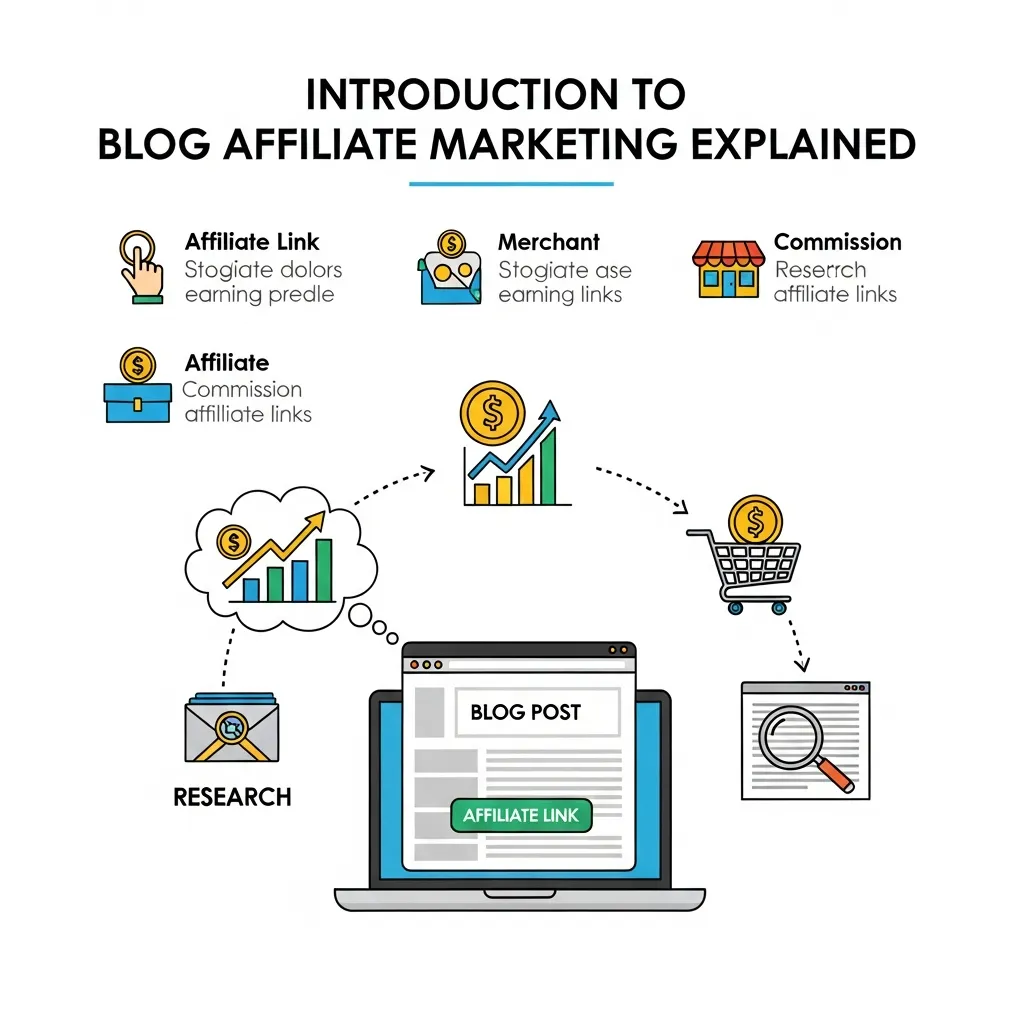
If you want blog affiliate marketing explained, it helps to start with the basics. Affiliate marketing is a performance-based system. A business rewards one or more affiliates for each visitor or customer brought by the affiliate’s own marketing efforts.
When applied to blogging, this mechanism is highly effective. You write an article—perhaps a review, a tutorial, or a comparison—and insert a special tracking link provided by the merchant. When a reader clicks that link and buys the product, you earn a percentage of the sale. The rise of digital commerce has made this model incredibly popular. Brands love it because they only pay for successful sales, and bloggers love it because it offers a flexible way to monetize their audience. Getting blog affiliate marketing explained properly is the first step toward building this passive income.
Why Blog Affiliate Marketing? Benefits for Bloggers
Understanding the benefits is a key part of having blog affiliate marketing explained. There are several reasons why this monetization method stands out for content creators.
First, the passive income potential is significant. Once an article ranks well on search engines, it can generate traffic and sales for years without requiring daily updates. Second, there is no product creation required. You skip the headaches of inventory management, product development, and customer support.
Additionally, the startup costs are incredibly low. All you really need is a domain name, web hosting, and a basic website design. Finally, it allows you to diversify your income streams. Instead of relying solely on display ads or sponsored posts, you can earn money from multiple affiliate partners simultaneously.
Choosing Your Niche and Products
To succeed, you need to choose a specific topic or niche. A well-defined niche helps you attract a dedicated audience and establish authority. Identifying profitable niches involves looking for areas with high search volume, products with good price points, and audiences willing to spend money.
Once you have a niche, start researching affiliate programs. Networks like Amazon Associates, ShareASale, and Impact Radius connect bloggers with thousands of brands. When selecting products, always prioritize high-quality items that you would genuinely recommend to a friend.
It is also crucial to understand different Affiliate Payouts. Some programs offer a flat fee per sale, while others offer a recurring percentage. Look for programs with reliable payment schedules and strong Affiliate Payouts to ensure your efforts are appropriately rewarded.
Building Your Affiliate Marketing Blog
With a niche selected, the next step is building your platform. WordPress is widely considered the best choice for bloggers due to its flexibility, ownership, and SEO capabilities.
Your content strategy should focus heavily on the types of posts that drive sales. Product reviews, “how-to” tutorials, and comparison articles (“Product A vs. Product B”) generally perform best. These formats target readers who are already close to making a purchase decision.
To ensure people actually find this content, you must follow SEO best practices. This includes optimizing your page titles, using proper header tags, improving site speed, and ensuring your site is mobile-friendly. A well-optimized site makes having blog affiliate marketing explained much easier, as the traffic comes naturally.
Content Creation and Promotion Strategies
Writing compelling content is the engine of your business. Your product reviews should be honest, detailing both the pros and the cons. Readers value transparency, and overly positive reviews can sometimes seem untrustworthy.
Integrate your affiliate links naturally within the text. Instead of placing a massive “BUY NOW” banner at the top of the page, weave the links into relevant sentences where the reader is naturally looking for a solution.
Beyond your website, utilize email marketing to promote your affiliate links. Building an email list allows you to reach your audience directly. Social media platforms like Pinterest, Instagram, and X are also excellent places to share your guides and drive traffic back to your affiliate content.
Driving Traffic to Your Affiliate Blog
Traffic is the lifeblood of any online business. Organic search traffic (SEO) is the most sustainable method, but it takes time to build. You must consistently publish high-quality articles targeting specific keywords.
For those looking to accelerate their growth, paid traffic strategies can be highly effective. Partnering with a Google Ads Agency can help you bypass the waiting period of organic SEO. A professional Google Ads Agency can set up targeted campaigns that place your blog posts in front of users actively searching for your niche topics.
Guest posting on other relevant websites and collaborating with fellow creators can also drive high-quality referral traffic and build your domain authority.
Optimizing for Conversions and Maximizing Affiliate Payouts

Getting traffic is only half the battle; converting that traffic into sales is where the real money is made. A/B testing different elements on your page can drastically improve your results. Try testing different headline variations, button colors, and link placements.
Call-to-action (CTA) optimization is essential. Make sure your CTAs are clear, action-oriented, and visible. Building trust and credibility with your audience ensures that when they click those CTAs, they feel confident in their purchase.
To maximize your Affiliate Payouts, keep a close eye on your analytics. Identify which posts generate the most revenue and figure out why. Understanding the commission rates and payment cycles of your partners allows you to prioritize the programs with the most lucrative Affiliate Payouts.
Legal and Ethical Considerations in Blog Affiliate Marketing
Ethical marketing is long-term marketing. In the United States, the Federal Trade Commission (FTC) requires bloggers to clearly disclose their affiliate relationships. You must let your readers know that you earn a commission if they click a link and buy a product.
Maintaining transparency builds trust. Always place your disclosure at the top of the post, before any affiliate links appear. Avoid making misleading claims about what a product can achieve just to secure a sale. Honesty will yield better long-term retention and a stronger reputation.
Advanced Strategies for Scaling Your Affiliate Marketing Efforts
Once you have a steady stream of income, it is time to scale. Scaling might involve building an affiliate marketing team to help with writing, editing, and technical maintenance.
Diversifying your affiliate programs is another advanced strategy. Do not rely on a single merchant. If one program shuts down or slashes their commission rates, having multiple income sources protects your business. Leverage new technologies and platforms, such as AI writing assistants for outlining and video marketing for broader reach, to stay ahead of the curve.
Case Studies and Success Stories
Looking at real-world examples helps get blog affiliate marketing explained in a practical context. Many successful bloggers started with zero traffic and grew their sites into six-figure businesses.
For instance, sites within the personal finance niche often thrive by reviewing credit cards and budgeting software, capitalizing on high Affiliate Payouts. Tech bloggers achieve similar success by comparing software tools. These success stories all share a common thread: consistent content creation, deep audience trust, and strategic link placement.
Mastering the Art of Affiliate Income

Getting blog affiliate marketing explained gives you the blueprint to start building a flexible, location-independent income. By choosing the right niche, partnering with programs offering great Affiliate Payouts, and perhaps eventually utilizing a Google Ads Agency to scale, you can turn a simple blog into a highly profitable business.
The future of affiliate marketing remains incredibly bright as e-commerce continues to grow. For aspiring affiliate marketers, the most important step is simply to start. Create your site, write your first review, and stay consistent. The results will follow.
FAQs on Blog Affiliate Marketing
What is blog affiliate marketing?
Blog affiliate marketing explained simply: it is a method where you promote third-party products on your blog. When a reader clicks your tracking link and makes a purchase, you earn a commission from the merchant.
How much can I earn with blog affiliate marketing?
Earnings vary wildly. Beginners might make a few dollars a month, while experienced bloggers can earn tens of thousands of dollars monthly. It depends entirely on your niche, traffic volume, and conversion rates.
Do I need a large audience to start?
No, you do not need a massive audience to make your first sale. A small, highly engaged audience that trusts your recommendations is far more valuable than a large, unengaged one.
What are the best affiliate programs for beginners?
Amazon Associates is widely considered the best starting point due to its ease of use and massive product catalog. ShareASale, CJ Affiliate, and ClickBank are also excellent networks for new bloggers.
How long does it take to see results?
Building organic traffic through SEO usually takes between three to six months. If you are leveraging paid ads through a Google Ads Agency, you can see traffic and potential sales much faster.
What are common mistakes to avoid?
Common mistakes include promoting low-quality products, failing to disclose affiliate links, writing overly promotional content instead of helpful content, and ignoring SEO best practices.
How do Affiliate Payouts work?
Affiliate Payouts are the commissions you earn from sales. They are typically paid out on a set schedule (e.g., net-30 or net-60 days) via PayPal, direct deposit, or check, depending on the merchant’s specific terms.
Can I use a Google Ads Agency for affiliate marketing?
Yes, hiring a Google Ads Agency can be highly beneficial. They can help you run targeted search and display campaigns to drive high-intent traffic directly to your top-converting affiliate articles.
Is affiliate marketing ethical?
Yes, it is completely ethical as long as you are transparent. You must disclose your affiliate relationships to your readers and only promote products that you genuinely believe provide value.
How do I track my affiliate sales?
Affiliate networks provide you with a dashboard where you can track clicks, conversions, and your overall Affiliate Payouts. You can also use tools like Google Analytics to monitor which specific blog posts are driving the most outgoing clicks.
What is the difference between affiliate marketing and dropshipping?
In affiliate marketing, you merely recommend products and the merchant handles the rest. In dropshipping, you run the storefront, set the prices, and handle customer service, while a third party fulfills the actual product shipment.
Do I need to be an expert in my niche?
You do not need to be a certified expert, but you should be a passionate learner. Documenting your journey and sharing what you learn can build trust with readers who are also trying to navigate the same topic.