
SEO Affiliate Marketing helps creators build search-driven content that attracts qualified readers, earns trust, and turns organic traffic into affiliate clicks, leads, and long-term commissions.
Why SEO Affiliate Marketing matters
SEO Affiliate Marketing works because it connects two powerful systems: search intent and revenue conversion. When people search for answers, comparisons, or buying guidance, they are already expressing interest. That makes SEO Affiliate Marketing one of the most efficient ways to grow an affiliate business without depending only on paid ads or social media spikes.
The biggest advantage of SEO Affiliate Marketing is durability. A social post may fade in hours, but a well-optimized article can keep bringing traffic for months or even years. That long-term visibility makes SEO Affiliate Marketing especially attractive for creators, niche site owners, and publishers who want assets that compound over time.
Many beginners start affiliate marketing by chasing trends, but trends alone rarely create stable income. SEO Affiliate Marketing takes a different approach by focusing on search behavior, useful content, and trust. Instead of pushing products first, it answers real questions first and sells through relevance.
When done well, SEO Affiliate Marketing aligns user intent with product discovery. That means the reader does not feel interrupted. They feel guided. This is one reason SEO Affiliate Marketing can convert better than many other traffic models, because the visitor is already looking for a solution.
What SEO Affiliate Marketing actually is
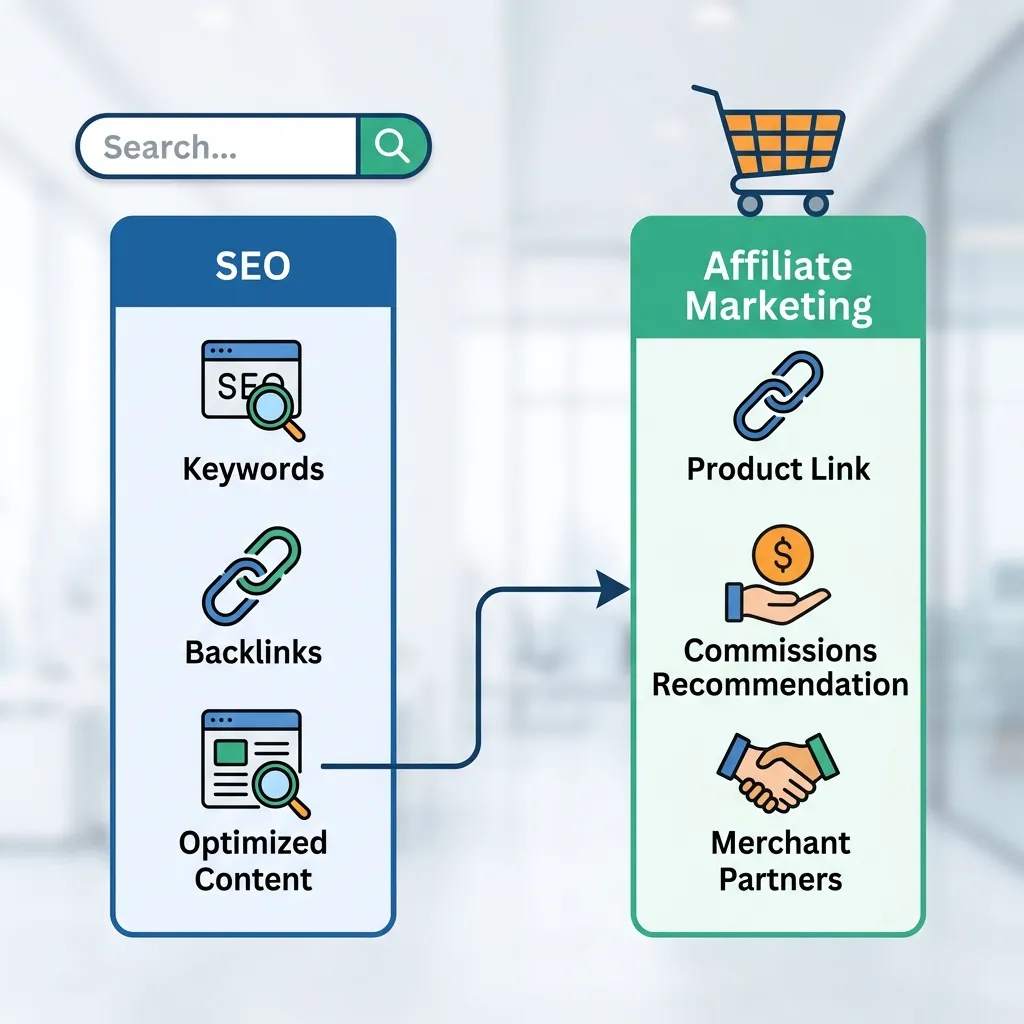
SEO Affiliate Marketing is the practice of publishing search-optimized content that sends readers to affiliate offers through carefully placed links. The content may be a review, comparison, tutorial, list post, or buying guide, but the purpose stays the same: attract organic traffic and earn commissions from relevant actions.
A strong SEO Affiliate Marketing strategy is never just about keyword placement. It also includes audience research, content structure, product relevance, link placement, internal linking, topical authority, and conversion psychology. When these pieces work together, SEO Affiliate Marketing becomes much more than blog traffic. It becomes a system.
The best SEO Affiliate Marketing campaigns do not feel like sales pages disguised as articles. They feel like helpful resources that naturally point to a useful next step. That is why tone matters so much. Readers must feel informed before they feel sold to.
Why search intent is the foundation
SEO Affiliate Marketing begins with intent, not products. Search intent tells you whether the reader wants information, a comparison, a recommendation, or a purchase decision. If the content does not match the intent, SEO Affiliate Marketing usually underperforms, even when the page is technically optimized.
For example, someone searching for “best beginner tools” is often close to buying, while someone searching for “what is affiliate marketing” needs education first. SEO Affiliate Marketing performs best when the article shape matches the reader’s stage in the journey. The closer the match, the better the engagement and conversion.
Search engines also care about intent satisfaction. SEO Affiliate Marketing content that fully answers the query tends to perform better because it keeps visitors on the page longer and reduces bounce. That behavioral signal can strengthen the page over time.
The trust problem in affiliate marketing
The biggest challenge in SEO Affiliate Marketing is trust. Readers are cautious because they know affiliate content may be biased. That is not a problem if the article is honest, useful, and balanced. In fact, honest disclosure and practical advice can make SEO Affiliate Marketing more persuasive, not less.
Trust grows when the content shows expertise, not exaggeration. SEO Affiliate Marketing should explain who a product is for, who it is not for, what problems it solves, and where its limits are. That kind of honesty makes readers more comfortable clicking through.
A lot of low-quality affiliate content fails because it hides the real purpose. SEO Affiliate Marketing works best when the reader can sense that the article wants to help them make a better decision, not trick them into clicking.
Building the right content types
SEO Affiliate Marketing usually relies on a mix of content formats. Some pages attract early-stage readers, while others catch buyers who are ready to compare. Each format plays a different role in the funnel.
Informational articles
Informational posts are often the entry point for SEO Affiliate Marketing. These articles answer questions, explain concepts, and build topical authority. They do not always sell directly, but they warm the audience up for future affiliate content.
Comparison posts
Comparison content is one of the strongest assets in SEO Affiliate Marketing because readers are actively evaluating options. When you compare features, pricing, use cases, and limitations, you help the reader move closer to a decision.
Reviews
Product reviews are central to SEO Affiliate Marketing because they serve high-intent searchers. A useful review explains the product honestly, covers pros and cons, and clarifies whether it is worth the cost.
Best-of lists
Lists like “best tools for beginners” work well in SEO Affiliate Marketing because they meet broad search demand and allow multiple affiliate opportunities in one piece. The key is to keep the recommendations relevant and not random.
Tutorials and how-to guides
Tutorial content helps SEO Affiliate Marketing by building authority and trust. If a reader learns something useful from your guide, they are more likely to trust your affiliate recommendation later.
Keyword strategy for affiliate content
SEO Affiliate Marketing depends heavily on keyword selection. But the best keywords are not always the ones with the highest search volume. Beginners often do better by targeting long-tail terms with clearer intent and lower competition.
The ideal keyword strategy for SEO Affiliate Marketing includes informational keywords, commercial investigation keywords, and buyer-intent phrases. This mix helps you attract readers at different stages of the journey and build a funnel that does not depend on one traffic source.
It is also important to cluster related keywords into topic groups. SEO Affiliate Marketing becomes more powerful when several articles support one another and establish topical depth. That helps search engines understand that your site covers the subject thoroughly.
Content structure that converts
SEO Affiliate Marketing succeeds when the article is structured for scanning and trust. Most readers skim before they commit, so the page should guide them with clear headings, short paragraphs, and helpful transitions.
A simple structure often works best:
- Hook the reader with the problem
- Define the topic clearly
- Explain the key decision factors
- Compare options or methods
- Give practical recommendations
- Close with a clear next step
This structure supports SEO Affiliate Marketing because it keeps the content readable while moving the reader toward an informed choice.
Human psychology behind affiliate clicks
SEO Affiliate Marketing is not only about ranking; it is about motivation. Readers click when they feel the content understands their pain point and offers a believable solution. That means clarity matters more than hype.
People also respond to reduction of risk. SEO Affiliate Marketing performs better when the content lowers uncertainty by explaining pros, cons, use cases, and who should buy. The more confidence you create, the more likely the reader is to take action.
Another psychological factor is momentum. If SEO Affiliate Marketing content gives the reader small wins quickly, they are more likely to keep reading. Once attention is earned, the affiliate recommendation feels like a natural continuation rather than a hard sell.
Where beginners go wrong
Many beginners in SEO Affiliate Marketing make the same mistakes. They choose a product first and the keyword second. They write too much promotional copy. They ignore intent. They fail to build topical authority. And they often publish thin content that does not answer the real question.
Another common problem is overstuffing pages with affiliate links. SEO Affiliate Marketing should use links strategically, not aggressively. Too many links can weaken trust and distract the reader. A few well-placed links often perform better than a page crowded with calls to action.
Some beginners also skip the audience research stage. SEO Affiliate Marketing becomes much easier when you understand what your reader fears, wants, and compares. Without that, the content may rank but fail to convert.
How to build topical authority
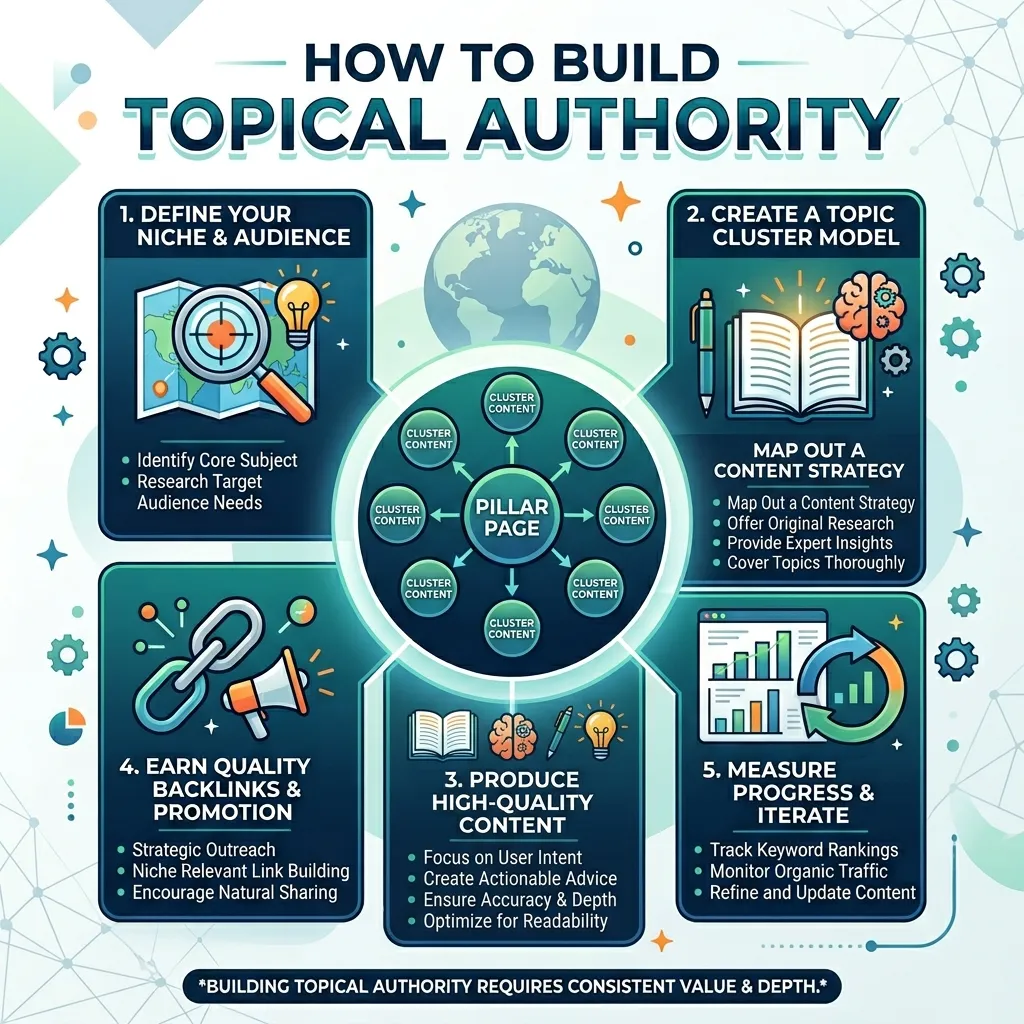
Topical authority is one of the strongest advantages in SEO Affiliate Marketing. It means your site becomes known as a trustworthy source within a niche. Search engines and readers both respond well to that consistency.
To build topical authority, create content around one niche cluster instead of jumping randomly between unrelated subjects. SEO Affiliate Marketing grows faster when each article supports the next one. One guide can link to a comparison, which links to a review, which links to a tutorial.
A strong authority strategy usually includes beginner guides, use-case articles, product roundups, comparisons, troubleshooting posts, and update content. This combination helps SEO Affiliate Marketing cover the topic from multiple angles and serve different search intents.
The role of internal linking
Internal linking is essential in SEO Affiliate Marketing because it helps users move through your content ecosystem. A reader may arrive on a beginner guide, then click to a comparison article, then land on a review, and finally click an affiliate link.
That path matters because it builds trust step by step. SEO Affiliate Marketing is more effective when the reader is not forced to decide immediately. Internal links let them explore until they feel ready.
Good internal linking also helps search engines understand the structure of your site. SEO Affiliate Marketing pages perform better when important articles are connected logically and support each other around a theme.
Editorial quality and credibility
SEO Affiliate Marketing content must be useful first and monetized second. If the writing is shallow, repetitive, or generic, readers will leave quickly. Quality writing, on the other hand, creates confidence and makes affiliate links feel justified.
Credibility improves when the content includes specifics. SEO Affiliate Marketing should explain use cases, trade-offs, and decision criteria instead of vague praise. Readers trust articles that sound experienced and realistic.
It also helps to keep the voice consistent. SEO Affiliate Marketing works better when your site feels like it was written by someone who knows the niche and respects the reader’s time.
How to place affiliate links naturally
Affiliate links in SEO Affiliate Marketing should appear where they support the reader’s next step. That could be after a product explanation, inside a comparison table, near a recommendation, or in a “best for” section.
The key is relevance. SEO Affiliate Marketing performs best when the link feels like a helpful shortcut rather than a pushy interruption. The reader should already understand why the link exists.
You should also avoid link clutter. In SEO Affiliate Marketing, a few strategically placed links usually outperform a large number of repeated calls to action. Clarity and restraint often convert better than volume.
Measuring what actually works
SEO Affiliate Marketing should always be measured with performance data. Traffic matters, but traffic alone is not enough. You also need to look at click-through rates, time on page, affiliate link clicks, conversions, and revenue per page.
The best-performing SEO Affiliate Marketing pages usually share patterns. They match intent closely, answer the question fully, and recommend products at the right moment. By studying those patterns, you can improve future articles faster.
A/B testing can also help. SEO Affiliate Marketing improves when you test headings, CTA wording, link placement, and content format. Small adjustments can sometimes lead to meaningful gains.
Seasonal shifts and trend awareness
SEO Affiliate Marketing is stronger when you understand seasonality. Some niches peak during holidays, back-to-school periods, travel windows, or new product launches. Publishing before the peak can give you a major advantage.
Trend awareness also matters. SEO Affiliate Marketing can benefit from timely content updates, especially when new features, pricing changes, or product releases affect user decisions. That is why ongoing review and refresh work is valuable.
Affiliate Marketing News Today is often useful for spotting shifts in the market, such as platform changes, commission updates, or emerging product categories. That kind of awareness helps SEO Affiliate Marketing stay relevant and avoid stale recommendations.
Why email still supports affiliate SEO
SEO Affiliate Marketing is not only about search traffic. Email can help turn one-time visitors into repeat readers. If someone subscribes after reading a useful article, you can continue educating them and send them to more relevant content later.
Email Marketing Tips are helpful here because they remind you that relationship-building matters. A strong email sequence can nurture trust, highlight related content, and improve the performance of your SEO Affiliate Marketing ecosystem over time.
Email also helps with content distribution. If your SEO Affiliate Marketing article is valuable, sending it to subscribers can create an early burst of engagement that supports broader visibility.
Live shopping and affiliate momentum
Live commerce is becoming an important complement to written affiliate content. Live Commerce: Boost Affiliate Sales works especially well when audiences want to see a product demonstrated in real time before buying.
SEO Affiliate Marketing can benefit from live content because live events create urgency and trust. A reader may first discover your article through search, then watch a live demonstration, then return later to click the affiliate link with more confidence.
This is especially useful in niches where demonstration matters. SEO Affiliate Marketing is strongest when the audience can see the product in action, hear a real opinion, and understand how it solves a problem.
A useful content planning table
| Content type | Search intent | Best role in SEO Affiliate Marketing |
|---|---|---|
| Beginner guide | Informational | Builds authority and traffic |
| Comparison post | Commercial investigation | Helps decision-making |
| Review post | Transactional | Converts high-intent readers |
| Tutorial | Informational | Builds trust and topical depth |
| Best-of list | Mixed intent | Captures broad affiliate demand |
Building a sustainable affiliate site
Sustainable SEO Affiliate Marketing is never based on one page or one trick. It comes from a system of content, trust, and optimization. That means you keep publishing, updating, and linking your pages so the whole site grows stronger over time.
The best sites in SEO Affiliate Marketing usually do a few things well. They solve a real problem, focus on a clear niche, update old content, and write honestly about products. That combination gives the site staying power.
It is also important to think long term. SEO Affiliate Marketing should not depend on one algorithm update or one offer. Diversifying content topics and traffic paths makes the business more resilient.
Practical publishing rhythm
SEO Affiliate Marketing improves when you publish consistently. A simple rhythm may include one beginner guide, one product comparison, one review, and one supporting article each month. That is enough to keep the site active and help search engines recognize the topical focus.
Regular updates matter too. SEO Affiliate Marketing pages should be refreshed when products change, features change, or new competitors enter the niche. Freshness helps maintain trust and relevance.
You do not need massive volume to succeed. SEO Affiliate Marketing often works better when you publish fewer but more useful pieces that connect logically and support the buyer journey.
How beginners can start the right way
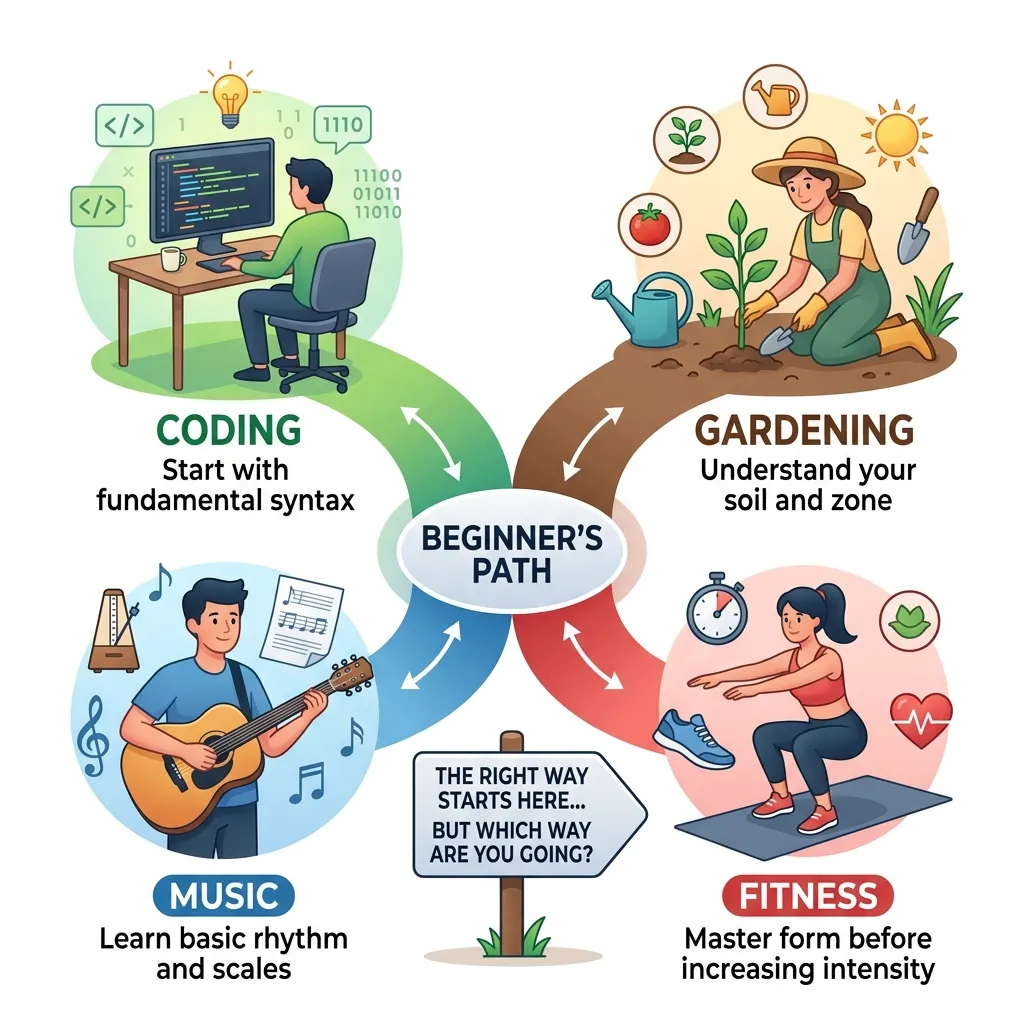
The easiest way to begin SEO Affiliate Marketing is to choose one niche, one audience, and one core problem. Then create a cluster of articles that help the reader understand, compare, and choose.
Start with one informational post, one comparison, and one review. SEO Affiliate Marketing becomes much clearer when you see how those pages support one another. Over time, you can expand the cluster with supporting guides and updates.
The goal is not immediate perfection. SEO Affiliate Marketing rewards learning, consistency, and patience. As long as your content is useful and your recommendations are honest, you are building a foundation that can grow.
Conclusion
SEO Affiliate Marketing works best when it is built on trust, intent, and helpful content. The most successful affiliate pages do not feel forced. They feel useful, organized, and relevant to the reader’s actual question. That is why keyword research, topical authority, internal linking, and honest product evaluation matter so much. When you combine all of those elements, SEO Affiliate Marketing becomes a long-term system rather than a short-term tactic. Readers get answers, search engines get clear signals, and your affiliate business gets a better chance at steady, compounding growth over time. That is the real value of doing affiliate SEO with strategy instead of guesswork.
FAQs
1. What is SEO Affiliate Marketing?
SEO Affiliate Marketing is the process of creating search-optimized content that attracts organic traffic and earns commissions through affiliate links.
2. Why is SEO important for affiliate marketing?
SEO helps affiliate content reach people who are already searching for answers, comparisons, or buying guidance, which makes the traffic more valuable.
3. What type of content works best?
Beginner guides, comparisons, reviews, how-to articles, and best-of lists usually perform well because they match different stages of search intent.
4. How many affiliate links should I use?
Use only as many as feel natural and helpful. SEO Affiliate Marketing usually performs better when links are placed strategically instead of repeatedly.
5. Can beginners succeed with SEO Affiliate Marketing?
Yes. Beginners can succeed by focusing on one niche, one audience, and a clear content cluster that solves real problems.
6. How long does it take to see results?
Results vary, but SEO Affiliate Marketing often takes time because search visibility and authority usually build gradually rather than instantly.
7. Do I need a lot of content to start?
No. A small but focused set of useful pages is often better than publishing many weak pages. Quality matters more than volume.
8. What is the biggest mistake to avoid?
The biggest mistake is creating content around products first instead of search intent first. SEO Affiliate Marketing works better when the content matches the reader’s goal.
9. Should I update old affiliate posts?
Yes. Updating old posts is very important because products, pricing, and search trends change over time. Fresh content supports trust and performance.
10. Can SEO and affiliate email work together?
Yes. SEO brings traffic, and email helps nurture that traffic into repeat visits and stronger affiliate conversions over time.