In today’s digital landscape, creators and promoters are constantly seeking innovative ways to monetize their efforts and build trust with audiences. NFT affiliate marketing offers a compelling solution by combining the transparency of blockchain technology with the proven efficiency of performance-based promotion. At its core, this approach empowers affiliates to earn commissions not only on initial sales of non-fungible tokens but also on secondary market royalties, creating sustainable income streams in this year. By leveraging digital ownership and scarcity, marketers can tap into dedicated communities of collectors and enthusiasts.
This article explores how NFT affiliate marketing can transform your digital strategy and drive engagement. You’ll learn the fundamentals of non-fungible tokens, discover why this model has emerged as a game-changer, and find a step-by-step roadmap for launching your campaign. We’ll also examine advanced tactics for maximizing revenue, outline key performance indicators to monitor success, and review compliance best practices. Drawing on insights from authoritative sources such as a report from the University of Cambridge and standards recommended by the National Institute of Standards and Technology, you’ll gain a comprehensive understanding of how to harness NFTs for affiliate marketing. Whether you’re new to Web3 or looking to expand your digital portfolio, this guide provides actionable strategies to help you thrive in NFT affiliate marketing today.
Understanding the Basics of NFTs
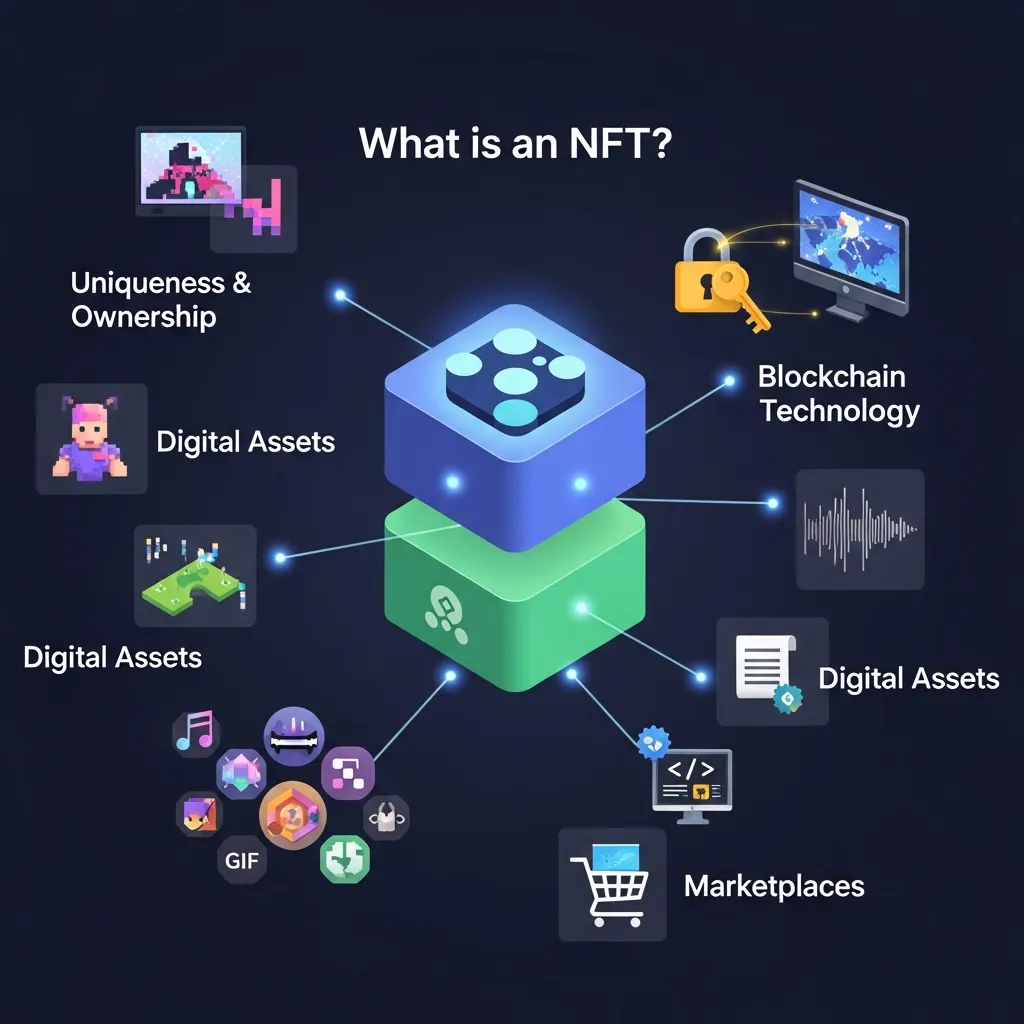
Before diving deeper into NFT Marketing, it’s important to understand what NFTs are, how blockchain technology supports them, and why they have become such a powerful force in the digital economy. NFTs are reshaping the concept of digital ownership by giving creators, collectors, and marketers a secure and transparent way to buy, sell, and verify unique digital assets online.
Defining Digital Ownership
Non-fungible tokens, commonly known as NFTs, are unique digital assets stored and verified on a blockchain network. Unlike cryptocurrencies such as Bitcoin or Ethereum, which are interchangeable and hold equal value within their respective ecosystems, every NFT contains distinct information that makes it completely unique.
Each NFT includes metadata that may contain:
- Creator details
- Ownership history
- Transaction records
- Smart contract information
- Proof of authenticity
Because of this uniqueness, NFTs cannot be duplicated or exchanged on a one-to-one basis like standard cryptocurrencies. This digital scarcity creates value and exclusivity, making NFTs highly desirable for collectors and investors.
Today, NFTs are widely used across multiple industries, including:
- Digital art
- Music and entertainment
- Gaming assets
- Virtual real estate
- Collectible items
- Membership access and ticketing
For marketers and creators involved in NFT Affiliate Marketing, this concept of verified ownership opens new opportunities to promote digital products with built-in authenticity and traceability.
How Blockchain Ensures Authenticity
Blockchain technology is the foundation that makes NFTs secure and trustworthy. A blockchain functions as a decentralized digital ledger that records every transaction publicly and permanently. Once an NFT is minted, its details are stored across thousands of distributed nodes, making the data nearly impossible to alter or counterfeit.
This system provides several important benefits:
- Transparent ownership verification
- Permanent transaction history
- Reduced risk of forgery or duplication
- Increased buyer confidence
Whenever an NFT changes ownership, the transaction is automatically recorded on-chain. Buyers can independently verify the creator, ownership timeline, and authenticity of the asset without relying on third parties.
In the world of NFT Affiliate Marketing, blockchain transparency helps affiliates build trust with their audiences. Promoters can confidently recommend NFT projects because users can verify the legitimacy of assets directly through the blockchain network itself.
Key Properties of NFTs
NFTs possess several defining characteristics that separate them from traditional digital assets and cryptocurrencies. Understanding these features is essential for anyone entering NFT Affiliate Marketing.
Indivisibility
Unlike cryptocurrencies that can be divided into smaller units, most NFTs cannot be split into fractions. They are typically bought, sold, and owned as complete assets.
Verifiability
Every NFT transaction is permanently recorded on the blockchain, allowing anyone to audit ownership and authenticity at any time. This creates a high level of transparency and accountability.
Scarcity
NFT creators can limit the supply of tokens, increasing exclusivity and demand. Limited-edition NFT collections often generate strong market interest because scarcity naturally increases perceived value.
Interoperability
Many NFTs can function across multiple platforms, wallets, and virtual ecosystems. For example, a digital collectible purchased on one marketplace may be displayed or traded on another compatible platform.
These properties make NFTs highly valuable for digital commerce and particularly effective in NFT Affiliate Marketing, where exclusivity, transparency, and community engagement strongly influence buyer behavior.
Why NFTs Matter in Modern Digital Marketing
As Web3 technology continues evolving, NFTs are becoming more than just digital collectibles. They now represent access, identity, membership, and ownership within decentralized ecosystems. Brands, influencers, and creators are increasingly using NFTs to strengthen customer loyalty, reward communities, and create new monetization opportunities.
For affiliates, understanding NFT fundamentals is the first step toward building successful NFT Affiliate Marketing campaigns that combine education, trust, and long-term revenue potential.
Why NFT Affiliate Marketing Is a Game-Changer

Enhanced Trust and Transparency
By integrating NFTs into affiliate marketing, promoters benefit from blockchain transparency that reassures potential buyers. The decentralized ledger provides unequivocal proof of authenticity and ownership, reducing concerns about counterfeits. Affiliates can build credibility by sharing verified transaction data, fostering a stronger connection with their audience in this year.
Dual Revenue Streams
Traditional affiliate models reward partners only for initial sales. NFT affiliate marketing, however, often includes commission on primary sales and a share of secondary market royalties. Every time an NFT changes hands, a percentage can automatically route back to the original affiliate, ensuring ongoing earnings. This mechanism motivates affiliates to support long-term community engagement rather than one-off promotions.
Community and Scarcity Dynamics
NFT enthusiasts frequently form passionate, tight-knit communities on platforms such as Discord or Twitter. Affiliates who engage authentically can leverage these networks for targeted promotions. Limited-edition drops and timed releases create urgency, driving higher conversion rates. In today’s social ecosystem, affiliates who harness this scarcity can elevate campaign performance beyond standard digital advertising.
How to Launch Your NFT Affiliate Campaign
Choose the Right NFT Partnerships
Not every project offers an affiliate program. Begin by researching established marketplaces and creators that align with your audience’s interests. Evaluate platforms based on trading volume, community activity, and commission structures. Look for programs that specify clear payout tiers for primary and secondary sales to ensure predictable revenue from your efforts.
Set Up a Secure Web3 Wallet
Your Web3 wallet serves as the gateway to NFT affiliate marketing. Tools like MetaMask or Trust Wallet enable you to store tokens, track affiliate rewards, and interact seamlessly with marketplaces. Prioritize wallet security by using hardware devices or trusted browser extensions. This step safeguards both your commissions and the trust you build with your followers.
Create High-Value Educational Content
Produce articles, video tutorials, and downloadable guides that demystify NFT ownership and trading. Offering clear, beginner-friendly explanations positions you as an authority in the niche. Topics could include step-by-step buying instructions, wallet setup walkthroughs, and best practices for storing digital assets. Well-researched content increases user confidence and drives affiliate link clicks organically.
Engage on Niche Social Channels
Active participation on Twitter, Discord, and specialized forums amplifies your reach. Share sneak previews, exclusive invitations, or early-access codes to generate buzz around upcoming NFT drops. Encourage community feedback and host polls to identify what collectors value most. By cultivating genuine connections, you increase the likelihood that followers will trust your recommendations.
Host Interactive Virtual Events
Collaborate with NFT creators to organize online drop events or Ask-Me-Anything sessions. These live interactions foster a sense of exclusivity and excitement. Use your affiliate link as the entry point for pre-sale access or limited-edition minting. Engaging audiences in real time can boost participation and amplify word-of-mouth referrals.
Advanced Tactics to Maximize Revenue

Fractional Ownership Opportunities
Some platforms enable fractionalization of high-value NFTs, allowing multiple buyers to own a share. Promote these services to diversify your audience reach. Affiliates earn commissions when users purchase shares of expensive artworks or digital collectibles. This model lowers entry barriers for newcomers and expands potential conversion pools.
Token-Gated Exclusive Offers
Implement token gating to restrict premium content or special discounts to verified NFT holders. By signaling exclusivity, you heighten perceived value and encourage more users to acquire the token. Offer bonus materials, private community access, or limited-time perks that only holders can unlock, driving stronger engagement and incremental sales.
Integrate On-Chain Analytics
Leverage blockchain analytics tools to monitor market behavior and buying patterns. On-chain data can reveal secondary sale trends, optimal timing for promotional pushes, and audience hot spots. Adjust messaging and campaign schedules based on real-time insights to maintain relevance and capitalize on emerging opportunities.
Measuring Success and Ensuring Compliance
Key Performance Indicators
Tracking the right metrics is essential for refining your strategy. Monitor click-through rate (CTR) to gauge interest in your affiliate links. Measure conversion rate to determine how many clicks translate into purchases or bids. Calculate lifetime value (LTV) to assess total commissions from referred users, including secondary sales royalties. Finally, evaluate community growth by tracking increases in Discord members, Twitter followers, and email subscribers tied to your efforts.
Regulatory Best Practices
Maintaining compliance safeguards your reputation and avoids legal pitfalls. Always disclose affiliate relationships clearly in accordance with FTC guidelines. Stay current on regional digital asset regulations, tax obligations for NFT royalties, and anti-money laundering requirements. Consult government resources or professional advisors to ensure your campaigns adhere to all standards this year.
Conclusion
NFT affiliate marketing merges blockchain transparency with performance-based promotion, unlocking new pathways for monetization in today’s digital environment. By understanding the fundamentals of NFTs, selecting the right partnerships, and producing educational content, you can build trust and drive sales. Advanced techniques—such as fractional ownership, token gating, and on-chain analytics—help maximize revenue, while diligent tracking of KPIs and regulatory compliance secures long-term success. Embracing this strategy positions you at the forefront of affiliate marketing and digital ownership in 2026. Start exploring top NFT marketplaces and crafting your first Web3 content today to capitalize on this dynamic opportunity.