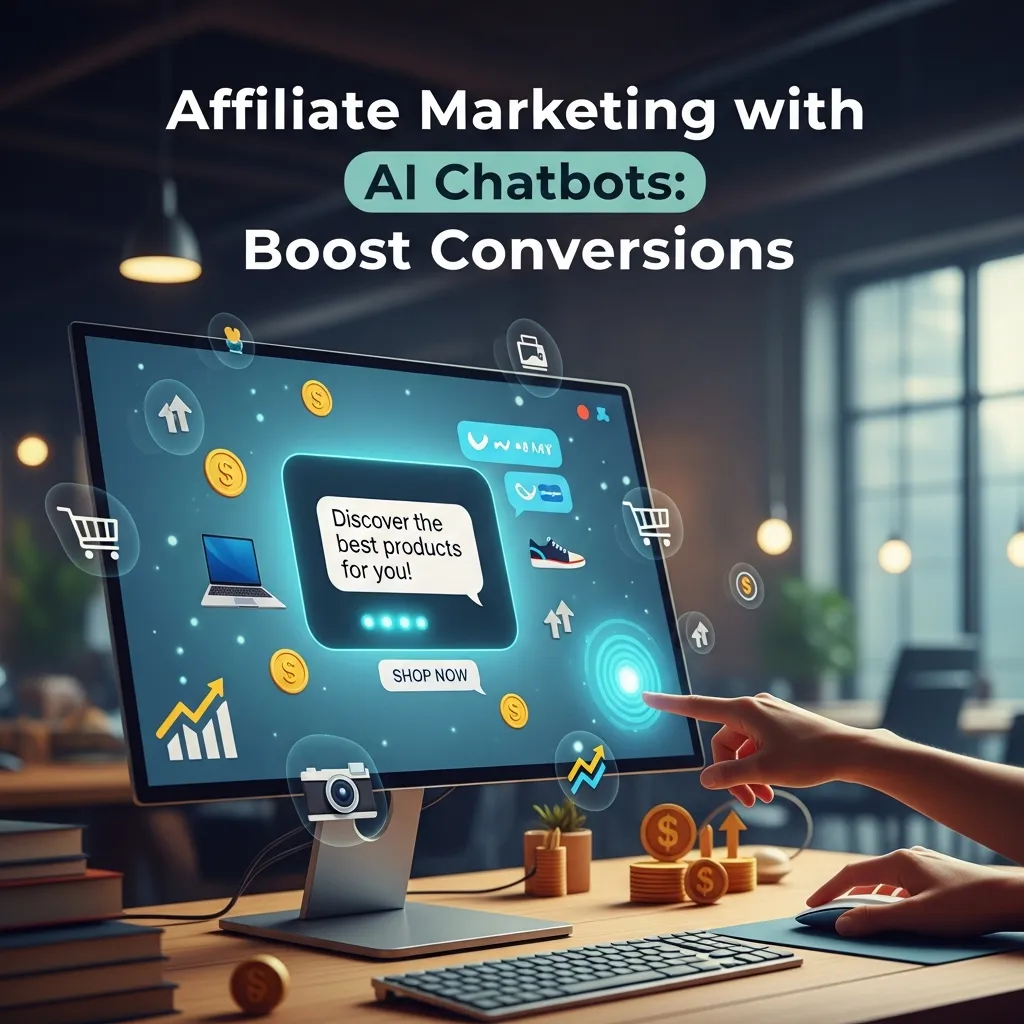
In today’s digital landscape, affiliate marketers are under constant pressure to capture audience attention and convert casual visitors into loyal customers. The answer to this challenge lies in the strategic use of AI chatbots, intelligent assistants capable of engaging prospects around the clock and guiding them through each step of the purchase journey. Unlike traditional marketing assets—such as static banners or generic email blasts—AI chatbots deliver responsive, contextually relevant conversations that feel natural and personalized. By integrating these chatbots with affiliate offers, marketers gain the power to automate lead qualification, surface tailored product suggestions, and drastically improve conversion rates.
This year , businesses around the globe are embracing conversational commerce to stand out in crowded niches. AI chatbots combine natural language processing (NLP) with machine learning algorithms to interpret user intent and continuously refine their recommendations over time. The result is a dynamic marketing channel that not only entertains and informs but also drives measurable revenue growth. In this guide, we’ll explore why AI chatbots are essential to successful affiliate marketing, how to select the right platform, craft high-impact conversational flows, weave affiliate links seamlessly, leverage personalization, and optimize performance based on real data. Whether you’re a seasoned affiliate or just starting, these strategies will empower you to transform passive traffic into active buyers through the power of conversation.
Why AI Chatbots Enhance Affiliate Marketing Results
At the core of effective affiliate marketing is the ability to connect with the right prospects at the right moment. AI chatbots excel at precisely this task by creating interactive experiences that mimic human dialogue and deliver instant responses. Rather than waiting hours for an email reply or digging through FAQs, visitors receive immediate guidance tailored to their specific queries. This speed and relevance translate into higher engagement, deeper trust, and more clicks on affiliate links.
Recent research conducted by a leading technology institute shows that websites employing chatbots see up to a 25 percent lift in conversion rates while simultaneously cutting customer support expenses by nearly 30 percent (NIST). For affiliate marketers, that means more qualified leads clicking through to partner offers and an improved return on marketing spend. AI chatbots can also handle multiple conversations in parallel, ensuring that no potential customer ever hits a dead end during peak traffic hours.
Automated Lead Qualification
One of the biggest advantages of AI chatbots is their ability to ask targeted questions and segment prospects based on responses. By filtering out unqualified leads early—those who don’t match your niche criteria—you focus promotional efforts on high-value visitors. As a result, affiliate commissions grow without inflating ad budgets.
Data-Driven Insights
Every chat interaction is a data goldmine. AI chatbots log user intent, frequently asked questions, and interaction patterns. Armed with this intelligence, you can refine your messaging, identify in-demand products, and continuously enhance your affiliate strategy. Integrating these insights with analytics tools—like Google Analytics—provides a complete view of how conversations drive sales and which touchpoints yield the greatest ROI.
Selecting the Optimal AI Chatbot Platform

Choosing the right AI chatbot solution lays the foundation for a scalable affiliate marketing operation. Not all platforms deliver the same level of customization, analytics, or integration flexibility. Here are the key evaluation criteria you should prioritize:
1. Integration Capabilities
Opt for a provider that seamlessly connects with your content management system—whether it’s WordPress, Shopify, or another platform—as well as popular messaging channels like Facebook Messenger, WhatsApp, or Instagram. This ensures you meet users wherever they are and maintain a consistent brand voice.
2. Natural Language Understanding (NLU)
Advanced NLU enables your chatbot to interpret colloquial phrases, synonyms, and even misspellings. A chatbot that understands context and variation in user input provides more accurate responses and reduces the risk of miscommunication.
3. Affiliate Link Management
Look for built-in link management tools that allow you to insert, track, and A/B test affiliate URLs within conversations. Transparent reporting on click-through rates (CTR) and conversion metrics empowers you to optimize placements and maximize revenue.
4. Analytics & Reporting
Real-time dashboards should display key performance indicators such as engagement rate, CTR for affiliate offers, and conversion data. Robust reporting allows you to pinpoint drop-off points in the user journey and refine your chatbot flows accordingly.
5. Scalability & Cost Structure
As your traffic expands, your chatbot needs to handle growing interaction volumes without hidden fees. Evaluate pricing plans carefully and select a platform that accommodates surges in usage without breaking the bank.
After narrowing down your options—be it platforms like ManyChat, Chatfuel, MobileMonkey, or Tidio—conduct a pilot launch on a high-traffic landing page. Run the chatbot for two to four weeks, gather performance metrics, and decide which solution balances features and cost most effectively before rolling it out sitewide.
Designing High-Impact Conversational Flows
Conversational design is the art of guiding users through a dialogue toward a desired action, whether that’s clicking an affiliate link, signing up for a newsletter, or requesting more information. Poorly structured flows lead to confusion and abandonment, while well-crafted journeys boost engagement and drive sales. Follow these best practices:
Define Clear Objectives
Begin by mapping the primary goal of each flow. Are you qualifying leads, recommending products, or closing a sale? Every message should move users one step closer to that objective.
Use Branching Logic
Create decision trees that adjust based on user input. For instance, if someone expresses interest in home fitness, you can direct them down a path that highlights related affiliate offers. If another visitor asks about healthy meal plans, serve content and products suited to that need.
Incorporate Rich Media Elements
Visual prompts, such as carousels featuring affiliate products or quick-reply buttons, can increase click-through rates by up to 70 percent. Videos, images, and GIFs add personality and reinforce your brand voice.
Maintain a Conversational Tone
Keep messages concise, friendly, and jargon-free. Emojis and light humor can humanize the interaction, making prospects more comfortable clicking links.
Include Strong Calls to Action
Each branch of your flow should end with a clear next step: Shop Now, Learn More, or Claim Your Discount. Highlight affiliate recommendations naturally within the narrative to avoid overwhelming users with overt promotions.
Continuously iterate using A/B testing. Experiment with variations in welcome greetings, button labels, and offers to uncover the combinations that deliver the highest engagement and conversion rates.
Seamless Affiliate Link Integration Techniques

The secret to successful affiliate chat marketing lies in integrating affiliate links so they feel like part of a natural conversation rather than pushy advertisements. Here’s how to strike that balance:
Contextual Placement
Offer affiliate products when they directly address a user’s query or pain point. If someone asks for suggestions on productivity tools, introduce a recommended software package alongside a brief explanation of its benefits.
Branded and Shortened URLs
Use a custom domain or reputable URL shortener to create clean, trust-building links. Lengthy or unwieldy URLs can deter clicks.
Transparent Disclosure
Trust is paramount. Include a clear statement such as This is an affiliate link and I earn a commission at no extra cost to you so users know you’re upfront about your relationship with merchants.
Exclusive Promotions
Partner with affiliate programs to secure special discounts or bonuses that only your audience can access. Limited-time coupons or bundled offers create urgency and boost conversions.
Monitor each link’s performance with UTM parameters and platform analytics. Track which placement and messaging combinations yield the highest click-through and conversion rates, and refine your approach accordingly. Read for more details : AR & VR Strategies
Personalization and Audience Segmentation Strategies
Generic messaging rarely drives significant affiliate revenue. Today’s consumers expect tailored experiences that align with their interests, demographics, and browsing behavior. AI chatbots excel at capturing and leveraging user data to serve hyper-relevant content and offers.
Dynamic Product Recommendations
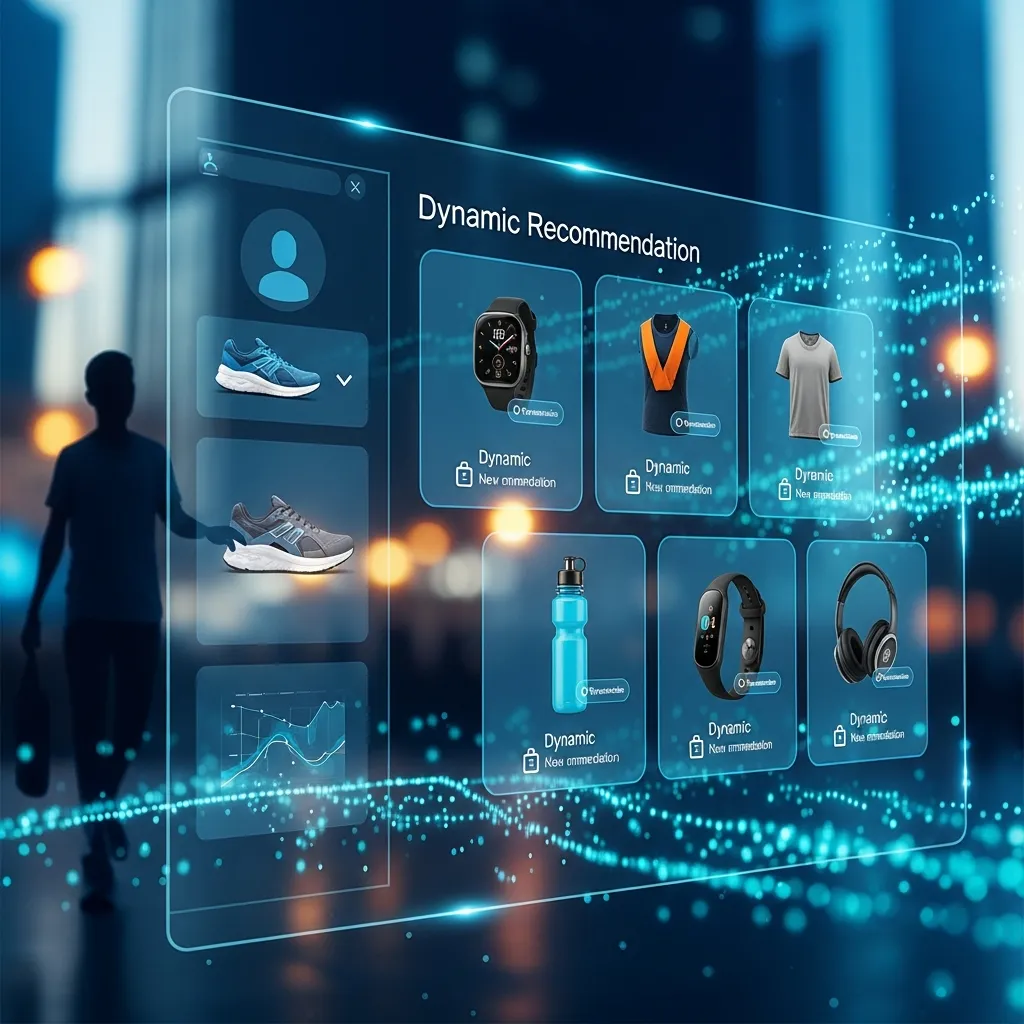
Leverage browsing history or previous chat interactions to surface products that resonate with individual users. A gamer who viewed the latest console news may appreciate suggestions for high-performance controllers or accessories.
Behavioral Triggers
Implement automated follow-up messages for prospects who abandon the chat or show interest without clicking through. Offer incentives—such as time-limited discounts—to reignite their engagement. If you want marketing information find out Mastering Micro-Moment Marketing
Geo-Targeted Offers
Customize promotions based on the user’s location. If someone is shopping from a specific region, highlight shipping discounts or localized coupon codes to make the offer more compelling.
Preference Centers
Encourage visitors to share their interests or create profiles. The deeper the user data you collect—always with explicit consent—the more precisely you can segment audiences and tailor affiliate recommendations.
Effective segmentation reduces wasted clicks and directs high-value offers to those most likely to convert. Over time, these personalized experiences foster loyalty and can increase average order value through timely cross-sells and upsells.
Conclusion
AI chatbots represent a transformative opportunity for affiliate marketers seeking to elevate conversions, streamline customer journeys, and unlock actionable insights. By selecting the right platform, designing engaging conversational flows, integrating affiliate links seamlessly, and delivering personalized content at scale, you can turn passive visitors into active buyers. Remember to measure every interaction, continuously optimize based on real data, and maintain transparency with your audience. As you experiment with AI chatbots today, you’ll uncover strategies that resonate most with your market and drive sustainable growth. Embrace these technologies in today’s competitive landscape and watch your affiliate commissions reach new heights.
For more insights on AI and digital marketing best practices, explore resources from the United States Digital Service (usa.gov) or stay informed on conversational AI developments at the National Institute of Standards and Technology (nist.gov).