In today’s digital landscape, affiliate marketers face fierce competition for consumer attention and trust. Micro-influencers—small-scale content creators who command audiences between 1,000 and 100,000 followers—have emerged as a potent solution for driving genuine engagement and boosting affiliate sales. Unlike mega-influencers whose massive followings often dilute authenticity, micro-influencers cultivate tight-knit communities where recommendations carry significant weight. This article explores how affiliate marketers can harness the power of micro-influencers to accelerate growth this year. From understanding why micro-influencers matter to selecting the right partners, crafting collaborative strategies, optimizing content, and measuring success, each section provides actionable insights and best practices. We’ll also highlight external research from authoritative institutions like Nielsen and the University of Pennsylvania to ground our recommendations in reliable data.
By the end of this guide, you’ll have a step-by-step framework for integrating micro-influencers into your affiliate marketing mix. Whether you’re launching your first campaign or scaling an established program, the tactics outlined here will help you create authentic partnerships, maximize conversions, and optimize return on investment. Ready to discover why micro-influencers are the secret weapon for affiliate growth? Let’s dive in.
Why Micro-Influencers Matter for Affiliate Marketing
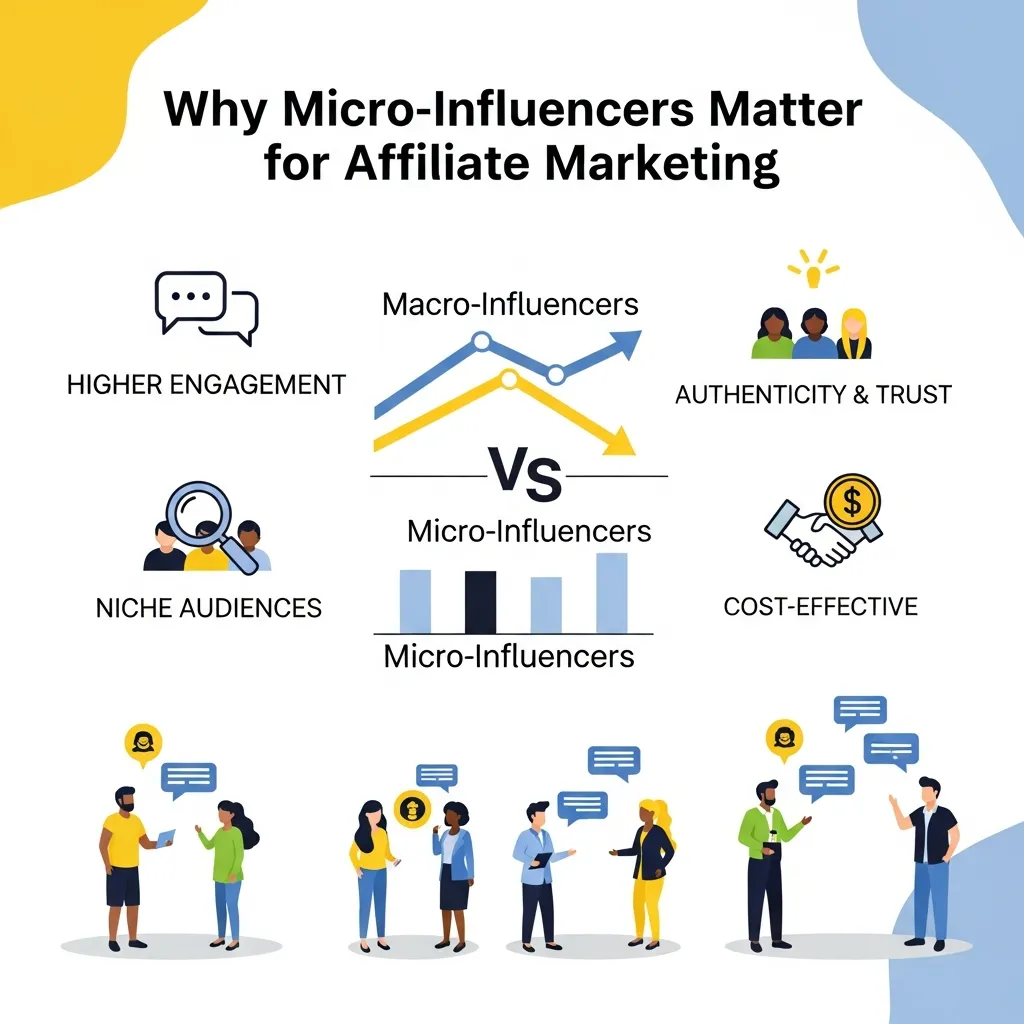
High Engagement Rates
Micro-influencers consistently outperform larger creators in engagement metrics. Research by Nielsen reveals that consumers trust peer endorsements far more than generic ads, and micro-influencers effectively function as trusted peers within niche communities. Data indicates that engagement rates for micro-influencers can range from 4% to 10%, compared to an average of 1.5% for mega-influencers. This concentrated focus fosters meaningful interactions—likes, comments, direct messages—that translate into higher click-through rates on affiliate links.
Authenticity and Trust
Because micro-influencers often share personal insights and behind-the-scenes glimpses, their audiences perceive them as relatable experts rather than paid spokespeople. According to a study from the University of Pennsylvania, 75% of consumers say they are more likely to purchase products recommended by creators who transparently share authentic reviews. This level of authenticity cannot be easily replicated by celebrities or macro-influencers, making micro-influencers a cost-effective choice for affiliate partnerships.
Cost Efficiency and Scalability
Micro-influencers typically charge lower flat fees or prefer commission-based arrangements, allowing brands to engage multiple creators without exhausting budgets. By diversifying partnerships across 10 to 20 influencers, marketers can reach segmented audiences with targeted messaging. This modular approach also enables gradual scaling: test with a handful of micro-influencers, analyze performance, then expand to larger cohorts based on proven ROI. This year, many brands are reallocating ad spend toward influencer-driven initiatives, recognizing the strong return on investment offered by micro-influencers.
Leverage of Emerging Technologies
Advancements in AI and machine learning now allow marketers to predict which micro-influencers will deliver optimal performance. Platforms equipped with sentiment analysis and predictive modeling can match affiliate products to creators whose audiences exhibit high purchase intent. Coupled with shoppable features on social platforms—such as in-app checkout and interactive product tags—micro-influencers become pivotal conversion points in the customer journey.
Identifying the Right Micro-Influencers for Your Niche

Define Your Ideal Customer Persona
Start by creating a detailed profile of your target customer: demographics, interests, behaviors, and pain points. This persona will inform the types of content and voices that resonate best. For example, if you’re promoting a plant-based supplement, target influencers whose followers engage with vegan lifestyles, wellness tips, and eco-friendly content.
Use Data-Driven Discovery Tools
Influencer marketing platforms such as Upfluence, BuzzSumo, and HypeAuditor offer advanced filters for audience demographics, engagement rates, and content categories. These tools can surface micro-influencers whose follower bases align with your ideal persona. By inputting niche keywords and geographic preferences, you can generate a shortlist of candidates within minutes.
Qualitative Profile Audits
Once you have a shortlist, manually review each creator’s recent posts to assess tone, visual style, and audience interactions. Look for consistent messaging, professional aesthetics, and genuine conversation in the comments. This qualitative check ensures the influencer’s brand voice harmonizes with your own, setting the foundation for authentic collaborations.
Calculate Cost-Per-Engagement and ROI Potential
Estimate a micro-influencer’s cost-per-engagement (CPE) by reviewing past sponsored content performance or requesting their media kit. Compare this to average order values from your affiliate program to forecast potential ROI. Focus on creators whose engagement costs align with your budget and conversion targets.
Pilot Collaborations
Rather than committing to large-scale campaigns immediately, propose a small pilot—such as a single post or short Instagram story sequence. This trial run offers real-time insights into engagement, click-through rates, and early conversions. Use these metrics to refine influencer selection and campaign parameters before scaling.Read for more details :Omnichannel Affiliate Marketing
Crafting Win-Win Partnerships with Micro-Influencers
Transparent Communication and Mutual Goals
Begin by sharing your campaign objectives—whether it’s link clicks, sales conversions, or lead generation—and invite influencers to propose content formats that showcase your product authentically. Emphasize collaborative brainstorming rather than scripted endorsements, and co-create concepts that play to their strengths.
Flexible Compensation Models
Choose the right compensation structure to align incentives. Common models include flat fees for content deliverables, commission-based rewards per sale, or a hybrid approach. Commission-based schemes often yield higher motivation, as influencers directly benefit from each sale generated through their affiliate links.
Clear Contracts and Approval Processes
Draft concise collaboration briefs that outline key performance indicators (KPIs), deliverable formats, posting schedules, compensation details, and disclosure requirements. Incorporate FTC guidelines—such as mandatory #ad or #sponsored tags—to ensure compliance. Specify content usage rights in the contract to secure permission for repurposing photos or videos across your marketing channels.
Empower Creative Freedom
While providing brand guidelines is essential for consistency, allow influencers the freedom to interpret messaging through their personal style. Authenticity thrives when creators can inject personal stories, humor, or behind-the-scenes insights, strengthening audience trust and driving conversions.
Regular Check-Ins and Feedback Loops
Use collaboration platforms like Trello, Slack, or Notion to maintain open lines of communication. Schedule brief calls or status updates to share preliminary analytics, discuss creative adjustments, and ensure seamless execution. A responsive feedback loop fosters stronger relationships and improved outcomes over time.
Content Strategies to Maximize Conversions

Interactive Storytelling
Encourage micro-influencers to weave compelling narratives around your affiliate products. Examples include “day-in-the-life” videos demonstrating product use, interactive Q&A sessions answering follower questions, or unboxing series that reveal product features in real time. Embed clear calls-to-action—like “Swipe up to shop” or “Visit the link in my bio”—at strategic moments to guide users toward conversion.
Limited-Time Offers and Exclusive Discounts
Collaborate on flash promotions, time-sensitive deals, or influencer-exclusive codes. Adding countdown stickers in Instagram Stories or themed countdown effects on TikTok drives urgency and prompts immediate action. These exclusive incentives enhance perceived value and encourage loyal followers to purchase quickly.
Multi-Channel Repurposing
Repurpose influencer-generated content across your website, email campaigns, and paid ads. Embedding authentic testimonials on landing pages or in email newsletters can boost conversion rates by up to 20%. Using the same visuals and captions in retargeting ads also creates continuity and reinforces brand credibility.
Educational How-To Guides
For products requiring explanation, collaborate on tutorial-style videos, detailed blog walkthroughs, or step-by-step “getting started” graphics. Educational content adds value, addresses common pain points, and positions your affiliate product as the ideal solution.
User-Generated Content Campaigns
Invite followers to share their own photos or stories using a branded hashtag. Encourage micro-influencers to feature top user submissions in their posts, boosting social proof and expanding your content library organically.
Retargeting and Dynamic Ads
Integrate Facebook Pixel, TikTok Pixel, or Google Ads tracking to retarget visitors who clicked affiliate links but did not convert. Craft retargeted ads with testimonials or short clips from influencer reviews to re-engage prospects. Dynamic product ads that display the exact item a user viewed can lift conversion rates by up to 30%.
Tracking Performance and Optimizing ROI
Unique Codes and UTM Parameters
Assign each micro-influencer a unique promo code and UTM-tagged affiliate link. This granular approach allows for precise attribution of clicks, leads, and sales. Feed this data into your analytics platform—such as Google Analytics or your affiliate network dashboard—to monitor performance by individual partner.
Real-Time Dashboards
Use tools like Google Data Studio, ClickMeter, or your affiliate network’s reporting console to view dynamic dashboards. Track key metrics such as click-through rate (CTR), conversion rate, average order value (AOV), and total revenue in real time. Rapid access to data empowers you to pivot strategies quickly.
Sentiment Analysis and Social Listening
Beyond hard numbers, analyze audience sentiment around influencer posts. Tools like Brandwatch or Mention can surface recurring comments—both positive and negative—that reveal messaging gaps or emerging objections. Address these insights in follow-up content to refine your approach.
ROI and Cohort Analysis
Calculate overall return on investment by dividing net revenue generated by the sum of influencer fees, product costs, and promotional expenses. Aim for at least a 3:1 ROI benchmark before scaling. Segment influencers into cohorts—by niche, follower size, or content style—and compare metrics like customer lifetime value (CLV) and repeat purchase rates to identify top performers.
Agile Feedback Loops
Implement a “measure, learn, optimize” cycle. Review data weekly, share findings with your influencer partners, and test incremental adjustments—different headlines, CTAs, visuals, or promotional offers. This iterative process fuels continuous improvement and ensures your campaigns stay aligned with evolving audience preferences in 2026.
Conclusion
Micro-Influencers have become one of the most powerful drivers of modern affiliate marketing success due to their strong audience trust, niche-focused content, and consistently high engagement rates. Unlike traditional large-scale influencers, they build deeper relationships with their followers, making their recommendations feel more authentic and credible. This trust translates directly into higher conversion rates and better return on investment for affiliate marketers.
As digital competition continues to grow, Micro-Influencers offer a cost-effective and scalable strategy for brands looking to reach targeted audiences without overspending on broad advertising campaigns. By carefully selecting the right partners, building transparent collaborations, and tracking performance effectively, businesses can unlock sustainable long-term growth. In 2026 and beyond, integrating Micro-Influencers into your affiliate strategy is no longer optional—it’s a key advantage for staying competitive in the evolving digital marketplace.
FAQ
1. What are Micro-Influencers?
They are social media content creators who usually have 1,000 to 100,000 followers. They focus on specific niches and build strong relationships with their audience. Because of this close connection, their recommendations often feel more trustworthy and engaging than large influencers.
2. Why are Micro-Influencers important for affiliate marketing?
They help affiliate marketers reach targeted audiences with higher trust levels. Their followers are more likely to believe product recommendations, which increases engagement and sales.
3. How do they increase conversion rates?
They increase conversions by promoting products in a natural and relatable way. Since their audience already trusts them, people are more likely to click links and make purchases.
4. Are they better than mega influencers?
In many cases, yes. Even though they have smaller audiences, their engagement rate is usually higher, and their content feels more authentic, which often leads to better marketing results.
5. How can I find the right Micro-Influencers?
You can find them through influencer platforms, social media searches, and niche hashtags. Always check engagement rate, audience quality, and content style before collaboration.
6. Do they charge high fees?
Most of them are affordable compared to big influencers. Many accept commission-based deals or flexible pricing, which is good for small and medium businesses.
7. What niches work best?
They perform well in niches like beauty, fitness, fashion, travel, health, gaming, and technology due to strong audience interest and engagement.
8. How do brands measure success?
Brands track performance using tools like UTM links, promo codes, click-through rates, conversions, and overall ROI.
9. What type of content works best?
Authentic content such as reviews, tutorials, unboxing videos, and personal experiences works best because it builds trust with the audience.
10. Can they help small businesses?
Yes, they are very useful for small businesses because they offer cost-effective marketing and help reach highly targeted customers.
11. What is their biggest advantage?
The biggest advantage is trust. Their close connection with followers makes their recommendations more powerful and effective.
12. How can brands build long-term relationships?
Brands should communicate clearly, offer fair compensation, and allow creative freedom. Long-term partnerships usually perform better than one-time campaigns.