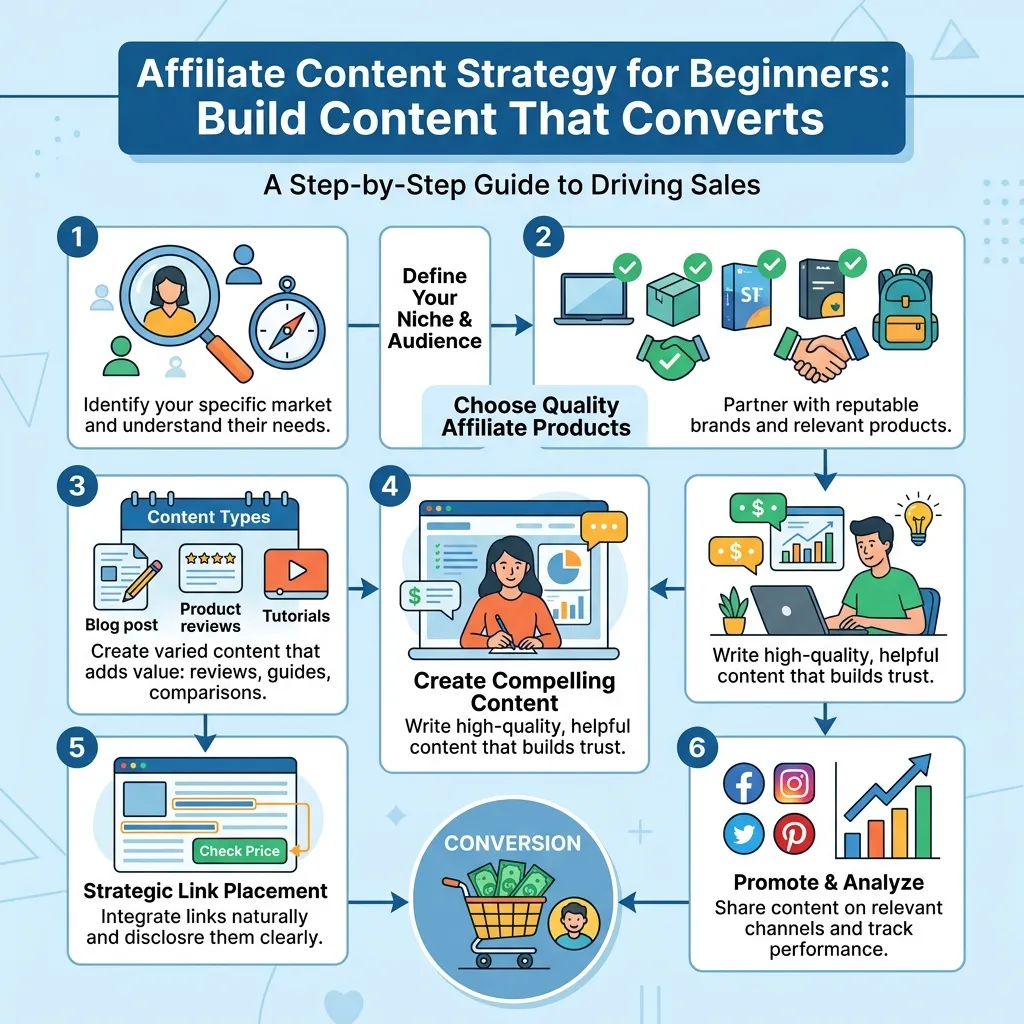
Affiliate Content Strategy for Beginners helps new publishers choose the right topics, attract qualified traffic, and build trust-based content that earns clicks, conversions, and long-term growth.
Why affiliate content matters
Affiliate Content Strategy for Beginners starts with a simple idea: content should help people solve problems before it tries to sell anything. When a reader feels understood, they stay longer, click more willingly, and trust the recommendation more easily. That is why Affiliate Content Strategy for Beginners is not just about inserting links. It is about creating useful pages that match search intent and answer the real questions behind a search.
Many beginners think affiliate success comes from publishing more articles. In reality, Affiliate Content Strategy for Beginners works best when every article has a clear purpose. One page may compare products, another may explain a problem, and another may guide a first-time buyer. When the strategy is focused, the site becomes easier to scale and easier to trust. Affiliate Content Strategy for Beginners is strongest when it combines empathy, research, and consistency.
Understanding the reader’s mindset
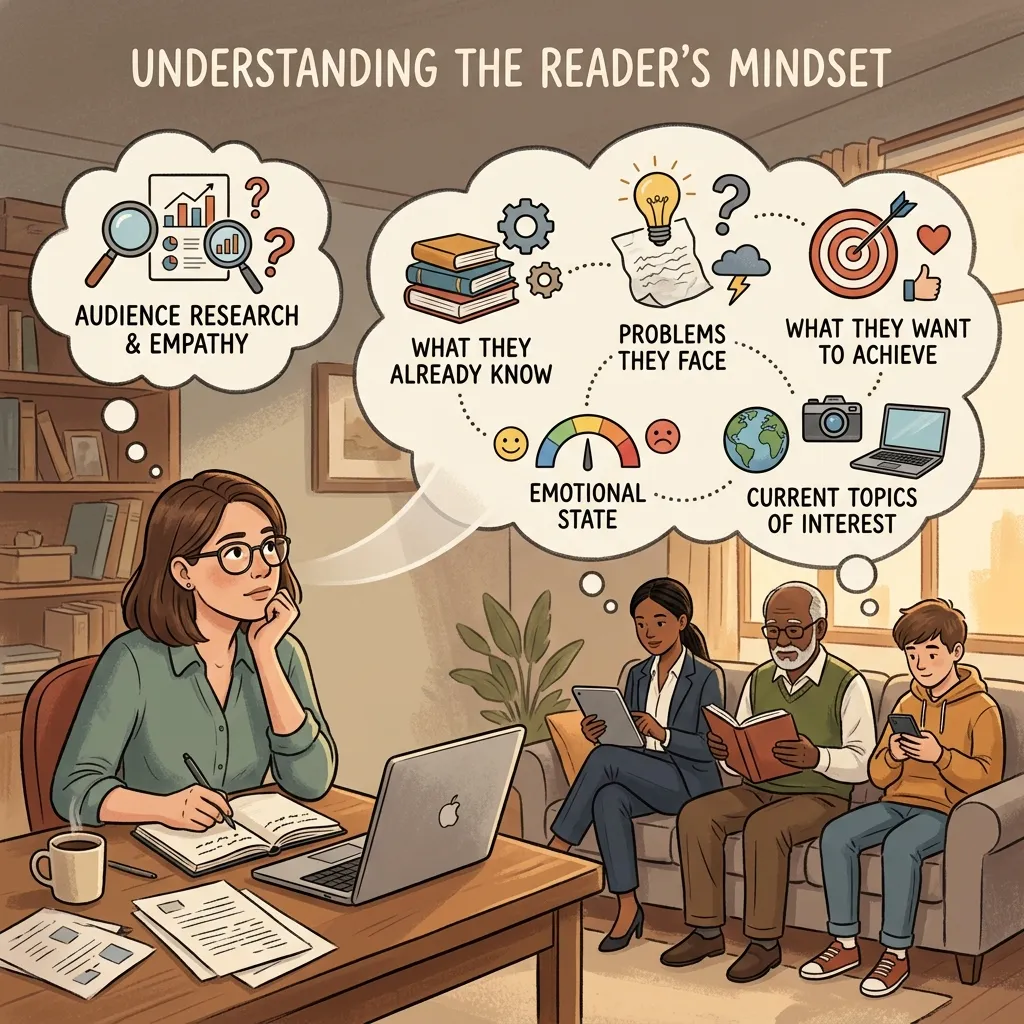
Affiliate Content Strategy for Beginners becomes more effective when you think like the visitor. Most readers are not searching because they want marketing language. They are searching because they want relief, clarity, or confidence. Some want to save time. Some want to avoid mistakes. Some want the best value. Affiliate Content Strategy for Beginners should answer those motives directly.
The emotional side of search matters. A beginner reading a review page may feel uncertain, suspicious, or overwhelmed. Affiliate Content Strategy for Beginners should reduce that tension by being clear, specific, and honest. If a page sounds exaggerated, readers leave. If it sounds helpful, readers continue. That simple shift is the foundation of Affiliate Content Strategy for Beginners.
Start with keyword intent
Affiliate Content Strategy for Beginners begins with understanding why someone typed the keyword in the first place. Informational searches need explanations, comparisons, and practical steps. Commercial searches need product context, pros and cons, and trust signals. Transactional searches need confidence and a clear path forward. Affiliate Content Strategy for Beginners works when content matches the stage of awareness.
This is also where Affiliate Marketing Keyword Research becomes important. You are not just collecting search terms. You are mapping intent, competition, and buying readiness. A keyword may look attractive on paper, but if the intent is wrong, the page will struggle. Affiliate Content Strategy for Beginners should always start from the user’s need, not from the affiliate offer.
Look for low-friction opportunities
Low Competition Affiliate Keywords can be especially valuable for beginners because they reduce the battle for visibility. Instead of chasing broad, saturated phrases, look for specific problems, product comparisons, and long-tail queries. Affiliate Content Strategy for Beginners improves when each article has a realistic chance to rank and convert.
Build topic clusters that make sense
Affiliate Content Strategy for Beginners becomes easier when the site is organized into clusters. A cluster is a group of related pages built around one topic. For example, one cluster might focus on beginner gear, another on software tools, and another on travel accessories. Affiliate Content Strategy for Beginners benefits because internal links help readers move naturally through related content.
Clusters also signal topical depth to search engines. A single post can rank, but a connected group of useful pages builds stronger authority. Affiliate Content Strategy for Beginners should use one main hub page, several supporting articles, and a clear internal linking pattern. That structure keeps the site logical for both people and search engines.
Choose the right content types
Affiliate Content Strategy for Beginners works best when you use a mix of formats. Some pages should explain a problem. Some should compare solutions. Some should rank specific products or services. Some should answer beginner questions. Each format supports a different stage in the decision process.
A useful approach is to build around three main content types: informational guides, comparison pages, and product-focused posts. Affiliate Content Strategy for Beginners should not rely on one format alone. When different pages serve different intentions, the site feels more complete and more helpful.
What makes content convert
Affiliate Content Strategy for Beginners is not only about traffic. It is about converting that traffic into meaningful clicks and purchases. Conversion improves when the reader feels that the content is honest, organized, and practical. That means describing benefits clearly, mentioning limitations when needed, and avoiding hype.
Trust is the core conversion driver. Affiliate Content Strategy for Beginners should include signals that make readers feel safe: personal experience where possible, clear comparisons, simple explanations, and transparent recommendations. The more confident the visitor feels, the more likely they are to act.
Use simple decision support
Readers often need help comparing options. Affiliate Content Strategy for Beginners should make decisions easier by explaining who a product is for, who should skip it, and what problem it solves. This kind of structure reduces hesitation and increases usefulness.
Create outlines before writing
Affiliate Content Strategy for Beginners should always start with an outline. Without one, articles drift, repeat themselves, or miss the main search intent. A good outline forces clarity before drafting begins. It also helps you place the primary keyword and related concepts naturally.
An outline might include the problem, the solution, the key features, the pros and cons, and the final recommendation. Affiliate Content Strategy for Beginners becomes much easier when the structure is already set. Instead of wondering what to say next, you follow a path that already makes sense to the reader.
Programmatic growth, done carefully
Programmatic SEO for Affiliate Sites can help beginners scale content faster, but it should be used carefully. Automating page creation only works when the site has strong data, clear templates, and genuinely useful variations. Affiliate Content Strategy for Beginners should not treat automation as a shortcut to quality.
If every page is shallow, the site will feel generic. Programmatic SEO for Affiliate Sites works better when each page answers a distinct question, targets a specific use case, or helps a specific audience segment. Affiliate Content Strategy for Beginners should combine systems with editorial judgment. That is how scale stays useful instead of becoming noise.
Writing pages that feel human
Affiliate Content Strategy for Beginners succeeds when the writing sounds like one helpful person speaking to another. Readers do not want robotic repetition. They want clarity, warmth, and confidence. The tone should be friendly, practical, and honest.
A human tone does not mean casual filler. It means explaining things in plain language. Affiliate Content Strategy for Beginners should use examples, simple transitions, and direct statements. When the writing feels natural, people stay longer and trust the message more.
Building trust with proof
Affiliate Content Strategy for Beginners should include proof wherever possible. Proof can come from hands-on testing, screenshots, examples, feature breakdowns, comparisons, or customer feedback. Readers want evidence that the recommendation is grounded in reality.
Proof also helps the site stand out from generic affiliate pages. Affiliate Content Strategy for Beginners becomes stronger when it shows why one option is better for one person and another is better for someone else. That level of nuance makes content feel more credible.
Avoid empty praise
Affiliate Content Strategy for Beginners should not praise every product equally. If everything is amazing, nothing is believable. Honest trade-offs make the recommendation feel more reliable.
Internal links and site structure
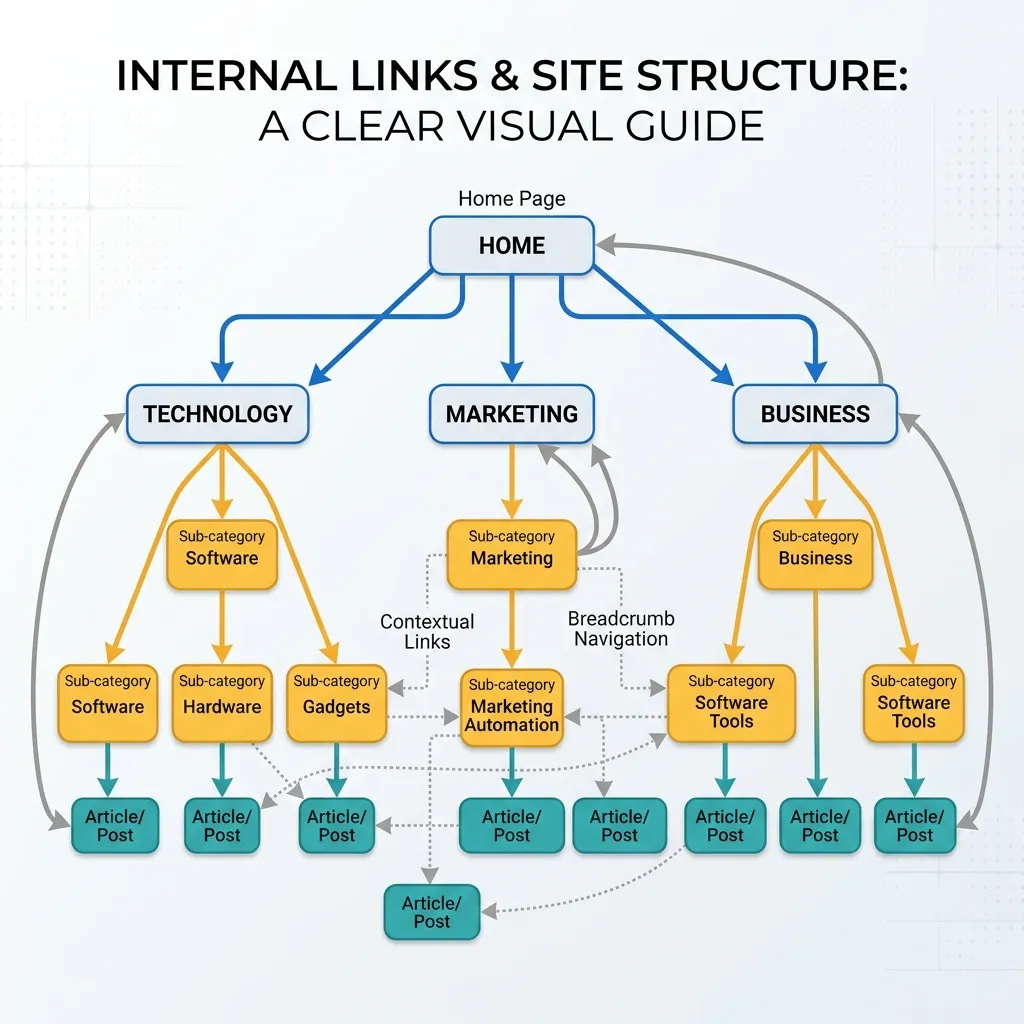
Affiliate Content Strategy for Beginners works better when articles connect to each other in a logical way. Internal links help readers continue their journey and help search engines understand how pages relate. A clear structure also makes the site easier to manage over time.
Every page should point toward useful next steps. Affiliate Content Strategy for Beginners should use links to move readers from beginner education to product evaluation and finally to comparison or buying guidance. That path mirrors how real people make decisions.
Testing what actually works
Affiliate Content Strategy for Beginners improves when you test titles, intros, calls to action, and content formats. Some pages will attract clicks but not conversions. Others will convert well but need more traffic. Testing reveals where the real opportunity is.
The best tests are simple. Change one element at a time and watch how readers respond. Affiliate Content Strategy for Beginners grows through iteration, not guesswork. Over time, the pages that perform best will show you what your audience values most.
Audience segments matter
Affiliate Content Strategy for Beginners should not treat every visitor as identical. A first-time buyer, a budget shopper, and a premium buyer all need different explanations. The better you understand the segment, the better the page can speak to that need.
When pages address one clear audience, conversion usually improves. Affiliate Content Strategy for Beginners becomes more persuasive when the reader feels the page was written specifically for them. That sense of relevance is a powerful advantage.
Table: beginner content planning
| Content type | Goal | Best use |
|---|---|---|
| How-to guide | Educate readers | Problem-solving keywords |
| Comparison post | Help decisions | Buying-intent searches |
| Review post | Build trust | Product evaluation |
| Resource page | Support navigation | Topic clusters |
| FAQ page | Capture quick answers | Featured snippets |
Common beginner mistakes
Affiliate Content Strategy for Beginners often fails when people chase volume before clarity. Publishing too many low-quality posts can dilute the site and waste time. Another mistake is choosing topics that are too competitive for a new site.
A second common problem is weak alignment between content and intent. Affiliate Content Strategy for Beginners should not force sales language into a page that the reader opened for education. When the page respects the search intent, it feels more useful and more natural.
Niche trends and future-proofing
Blockchain Affiliate Marketing shows that affiliate models can appear in many industries, but beginners should be careful before chasing every new trend. New niches can create opportunity, but they also bring uncertainty, unfamiliar audiences, and technical complexity. Affiliate Content Strategy for Beginners should prioritize clarity over novelty.
Future-proof content is usually content that solves a stable problem. If the topic remains useful even when trends shift, the page has longer life. Affiliate Content Strategy for Beginners works best when it balances evergreen value with selective trend-based opportunity.
How to scale without losing quality
Affiliate Content Strategy for Beginners can scale only if the process remains organized. Use templates for consistency, but leave enough room for originality. Create repeatable systems for research, outlining, writing, linking, and updating. That keeps the site efficient without making it feel mechanical.
At the same time, revisit older posts. Affiliate Content Strategy for Beginners should include updates, better comparisons, and improved calls to action over time. Freshness helps, but usefulness matters more.
A simple beginner workflow
- Find a topic with intent.
- Confirm the keyword is realistic.
- Plan the angle and outline.
- Write a clear, helpful article.
- Add internal links and proof.
- Publish, measure, and improve.
Affiliate Content Strategy for Beginners becomes much easier when this process is repeated consistently. The goal is not perfection. The goal is a reliable system that creates useful pages over and over.
Why patience matters
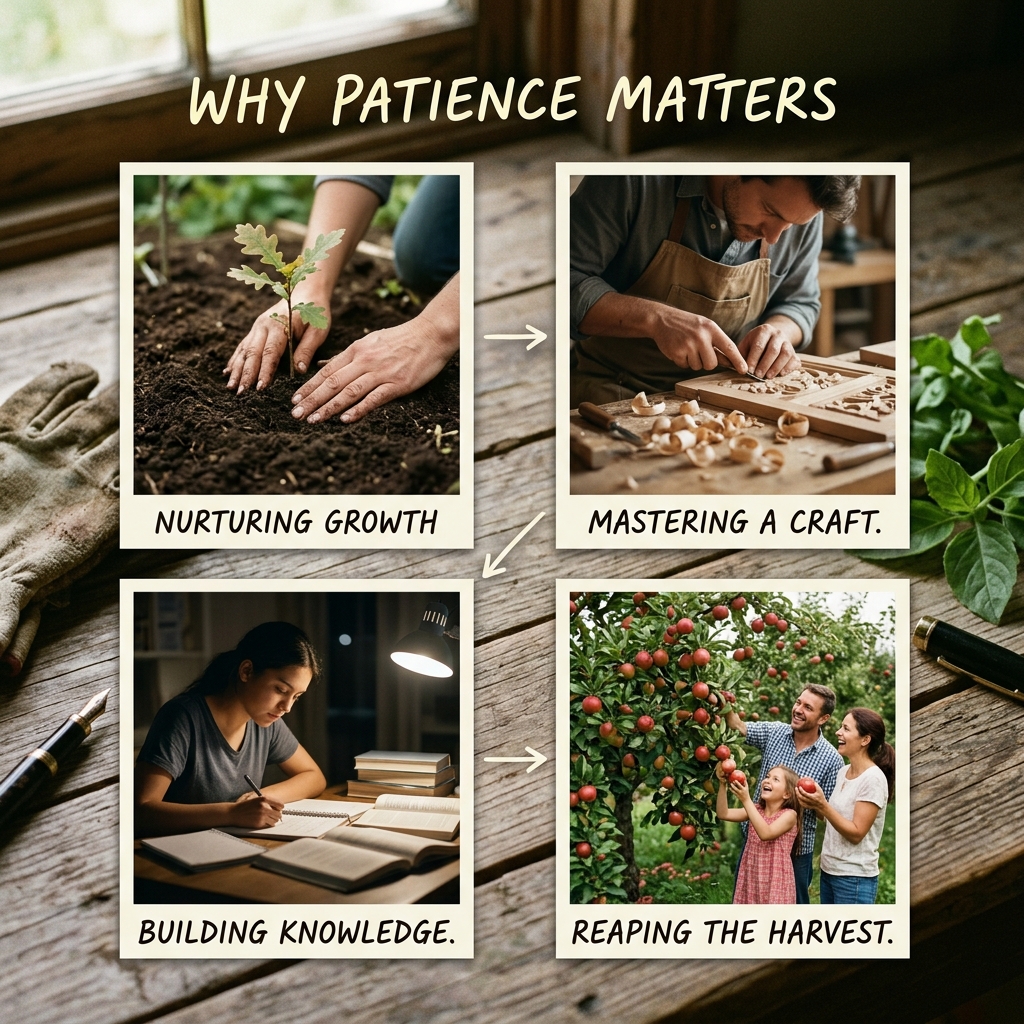
Affiliate Content Strategy for Beginners rarely pays off instantly. Search visibility takes time, trust takes time, and optimization takes time. Beginners often quit too early because they expect fast results from a slow process. The better mindset is to treat content as a long-term asset.
Small improvements compound. A better headline, a cleaner introduction, a stronger comparison, and a more useful internal link can all add up. Affiliate Content Strategy for Beginners works because it creates many small advantages that eventually stack into meaningful traffic and income.
Final mindset shift
Affiliate Content Strategy for Beginners is not about tricking readers into clicking. It is about helping them make a decision they can feel good about. When the content is truly useful, affiliate links become a natural part of the experience.
That is why consistency matters more than hacks. Affiliate Content Strategy for Beginners rewards patience, structure, and honesty. If the site keeps solving real problems, the audience keeps coming back.
Conclusion
Affiliate Content Strategy for Beginners works best when it is built around usefulness, trust, and clear intent. New affiliate sites do not need to publish random articles or chase every keyword they find. They need a focused plan that connects audience problems to helpful content and then guides readers toward a confident decision. That means doing thoughtful research, choosing realistic keywords, building topic clusters, and writing pages that feel honest instead of promotional. It also means understanding that affiliate growth is usually gradual. The best sites improve through consistent publishing, smart internal linking, careful testing, and regular updates. When beginners follow a clear process, the content becomes easier to scale and more likely to convert. In the long run, the strongest affiliate sites are the ones that earn trust first and revenue second. That is the real power of a beginner-friendly strategy.
FAQs
1. What is Affiliate Content Strategy for Beginners?
Affiliate Content Strategy for Beginners is a plan for creating helpful content that attracts readers and supports affiliate conversions.
2. Why is keyword research important?
It helps you find topics with real intent and a realistic chance to rank.
3. What are Low Competition Affiliate Keywords?
They are search terms that are easier for newer sites to target because competition is lower.
4. How does Affiliate Marketing Keyword Research help?
It helps you understand what people want, how hard a topic is to rank for, and which page type fits best.
5. Is Programmatic SEO for Affiliate Sites useful?
Yes, but only when used carefully with quality templates, useful data, and strong editorial review.
6. Should beginners target trending niches?
Sometimes, but stable topics are often safer because they stay useful longer.
7. How many pages should a beginner publish?
There is no fixed number, but consistency and usefulness matter more than raw volume.
8. Can beginners use Blockchain Affiliate Marketing?
They can, but only if they understand the niche and can create genuinely helpful content for that audience.
9. What content type converts best?
It depends on intent, but comparison and review pages often perform well for affiliate traffic.
10. How do beginners improve over time?
They should test, update older posts, refine internal links, and keep focusing on what readers actually need.